Mumbai ATS Arrests Rapido Rider Over Alleged Jaish-e-Mohammed Links; Police Say Masood Azhar Audio Clips Found on His Phone
Also Read
View All 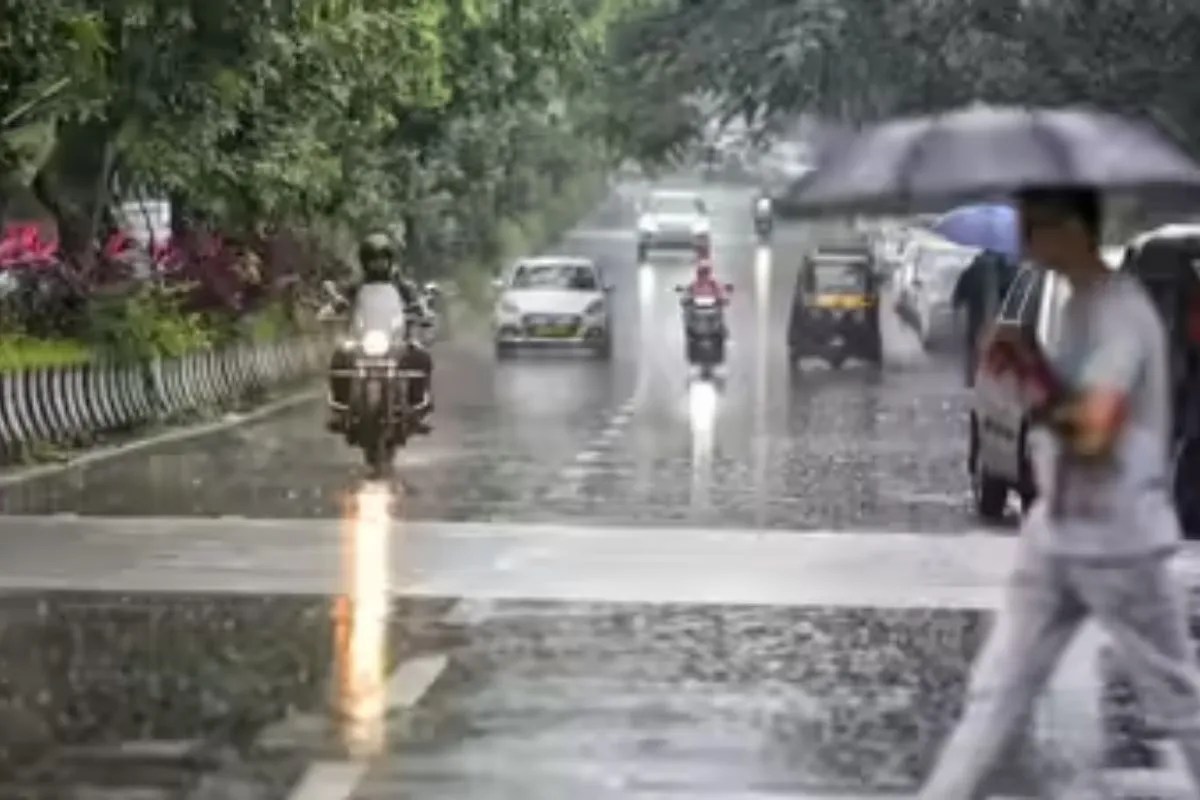
IMD Issues Alert: Due to the effect of active Western Disturbances and cyclonic circulations in the country, the weather is changing frequently from North-West India to Central, East, and South India. According to the forecast of the Meteorological Department, there is a possibility of rain and thunderstorms in many states of the country for the next three days, while an alert has been issued for snowfall and avalanches in the hilly states.
The Meteorological Department has issued an alert for thunderstorms in 15 states, including UP, Bihar, and Rajasthan, today. Meanwhile, late on Wednesday night, snowfall occurred in the four holy dhams of Uttarakhand – Kedarnath, Badrinath, Gangotri, and Yamunotri. Snowfall was also recorded in Jammu and Kashmir and Himachal.
According to the Meteorological Department, rain accompanied by strong winds occurred in 25 districts of UP, including Lucknow. In Rajasthan, more than an inch of rain was recorded in several districts in the last two days. Delhi recorded its coldest April day on Wednesday.
Light rain is expected in Rajasthan today. The Meteorological Department stated that light rain may occur in Jaipur, Bikaner, Jodhpur, Ajmer, and Kota divisions. Farmers are worried about crop damage due to pre-monsoon rains. Wheat and other Rabi crops may be damaged due to the rainfall.
The IMD on Tuesday released its forecast for the heat season from April to June. According to this, the maximum temperature in most parts of the country will be normal to below normal for the next three months. The minimum temperature will be normal to slightly above normal.
According to the IMD, there is a possibility of rainfall exceeding the long-period average (LPA) in many parts of April. Compared to April's LPA of 39.2 mm, rainfall will be 112 percent. This rainfall is expected to be above normal in most parts of the country, except for the eastern and northeastern regions.