National News

PM Modi Congratulates ISRO on NVS-03 Launch, Says Mission Will Strengthen India’s Own GPS NavIC

NavIC had faced technical challenges, including an atomic clock fault in March 2026. NVS-03 carries an indigenous atomic clock and a new L1 signal for civilian use.
2 min read
• •
Updated: 31 Oct 2026, 9:08 AM IST
PM Modi
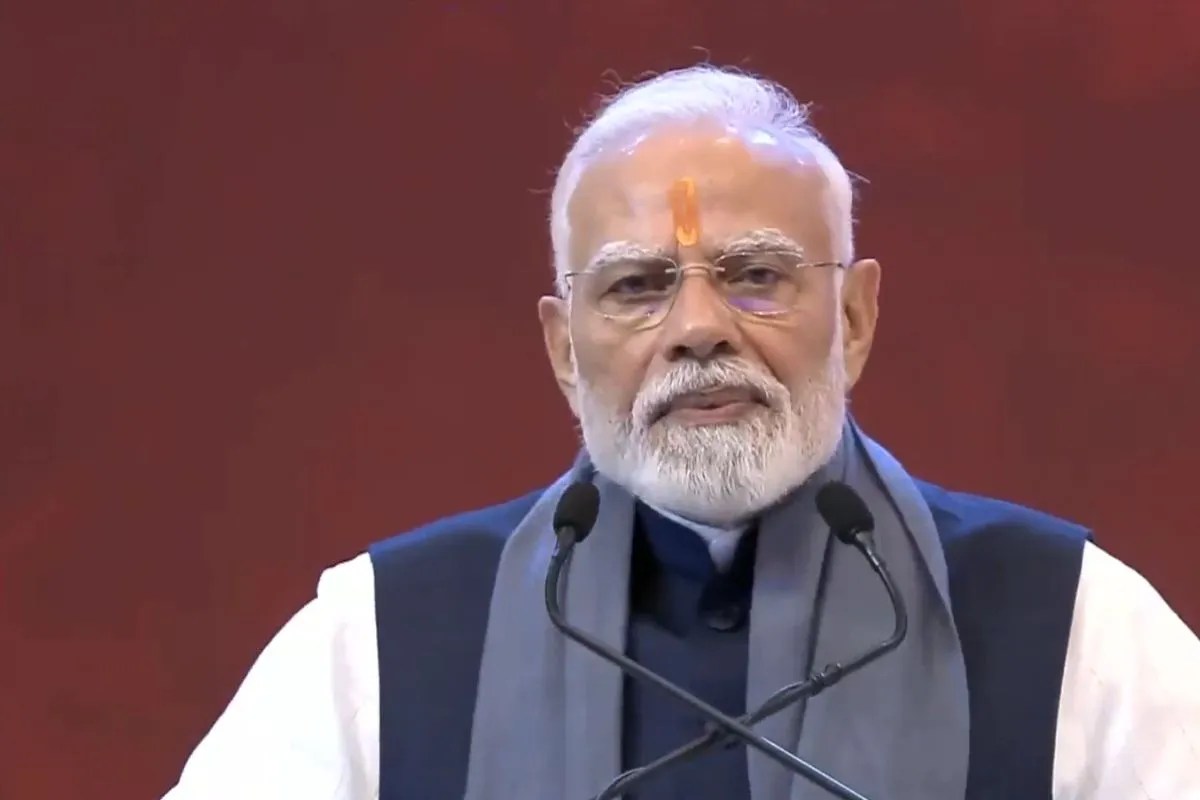
PM Narendra Modi (Photo-ANI)

Prime Minister Narendra Modi has congratulated ISRO scientists and engineers on the successful launch of GSLV-F18 and the sending of the NVS-03 satellite into space. He described the mission as an important step towards strengthening NavIC, India's indigenous satellite navigation system.

Modi said NVS-03 will carry forward India's efforts to achieve self-reliance in critical technologies and help provide better navigation services to the people of the country.

India's Own GPS System to Get New Strength, Satellite Shortage to Be Addressed

In recent times, NavIC, India's indigenous GPS system, had faced some technical challenges. Services were affected by a fault in the atomic clock of the IRNSS-1F satellite in March 2026 and by orbital problems in some older satellites.

A total of 11 satellites had been launched for the system since 2013, which was built at a cost of about Rs 2,250 crore. However, six satellites had stopped working because of technical problems, and only three satellites were providing full services.

At least four active satellites are essential for accurate location data and independent operation. With NVS-03 joining, the NavIC system will be able to function again with the four satellites required.

Why Did India Build Its Own Navigation System After the Kargil War?

India developed NavIC keeping strategic needs in mind. During the Kargil War, when the US reportedly refused to give India GPS data, India decided to build its own independent location system.

Several sectors benefited from NavIC while all its satellites were active. The real-time location of more than 10,400 Indian Railways locomotives was being tracked. At sea, more than 40,000 fishing boats were being helped to find the right route and receive emergency safety alerts.

In addition, more than 60 smartphone models from leading mobile companies of the world also support the NavIC system.

Key Features of NVS-03 Satellite

  • Indigenous rubidium atomic clock: A fully made-in-India atomic clock has been fitted in the satellite. It will give precise time and location.
  • New L1 signal: A new L1 band signal has been added for use by ordinary citizens and smart devices.
  • Accurate location: The system provides accurate location, time and speed information across India and up to about 1,500 km beyond the country's borders.
  • High accuracy: It can give location accuracy of up to 10 metres within India and up to 20 metres around the borders.

Where Will It Be Used?

It will mainly be used in:

  • Defence and national security
  • Road and maritime transport
  • Disaster management and relief work
  • Mobile phones and personal navigation devices