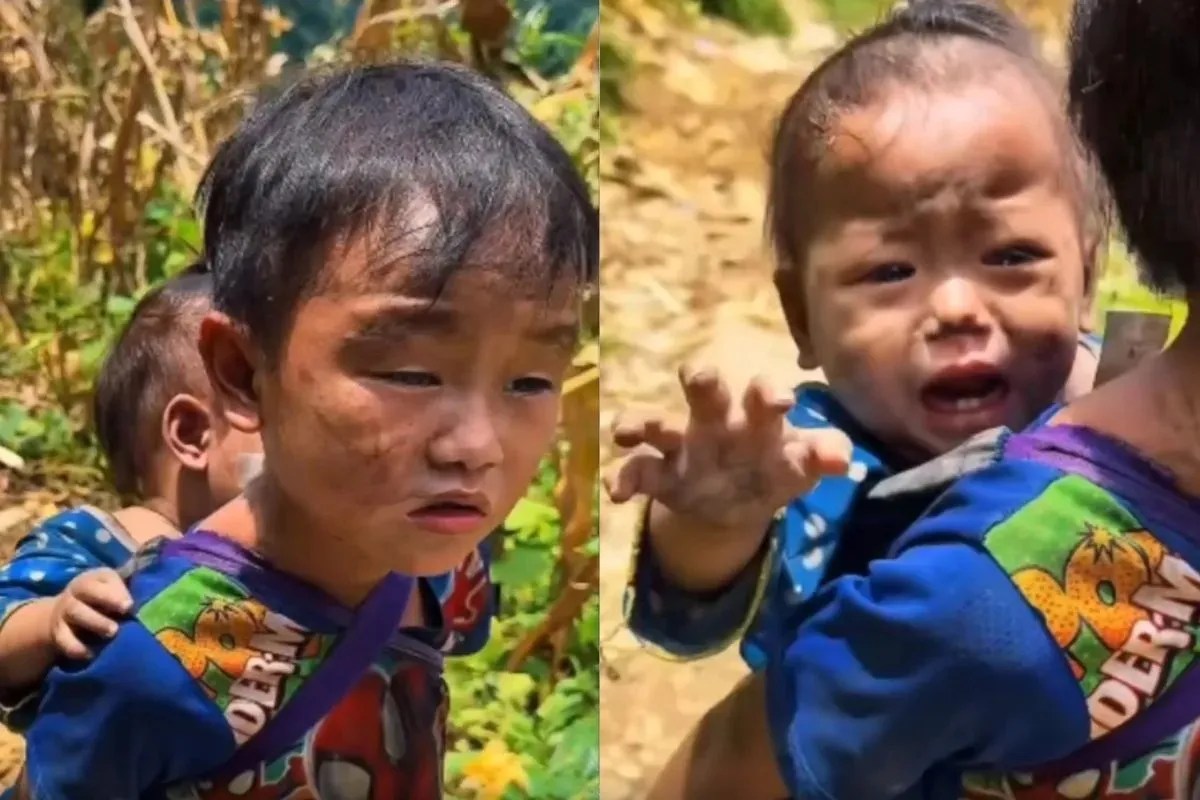
Nepal's devastating floods left hundreds of once-happy families shattered in an instant. Amid the horror of the floods and landslides, a Buddhist monastery in Kathmandu has become a refuge for hundreds of homeless people. In one corner of this shelter sits 12-year-old Tsering, his eyes fixed on the door. He is certain his parents will return soon — but the truth is they are no longer in this world.
Tsering is from Rasuwa district. On 26 August, when a glacier burst at the Nepal-Tibet border, the flash flood that followed swept away his parents, Kammi and Phursang, forever. His aunt and grandmother, who are now caring for him, have kept this bitter truth from the 12-year-old. He has been told that the roads have been destroyed, that his parents are stranded in the forest, and that it will take a year or two for them to return. The innocent child believes this comforting story and waits for them every day. When the elders in the shelter weep, he weeps too, without understanding why.
Around 520 homeless people from Rasuwa are living in this Kathmandu monastery. The atmosphere is one of mourning, with hundreds of homes, farmlands and markets destroyed. Local volunteer Bujung, who has himself lost more than 50 acquaintances from his own village, says that during the day people talk to one another to distract themselves, but as night falls, sobs can be heard from every direction. When photographs of the missing are placed on a table in the monastery, the table is not large enough to hold them all.
Amid the heavy atmosphere of the disaster, a small play area has been set up for children at the relief camp, with a football, a tent and toys. For a few hours each day, when the children play here, a little life returns to the monastery. For a while, these innocents forget that everything has been taken from them — but once the game ends, the same sadness returns.
Forty-year-old Shyam Bahadur Tamang is also spending his days at this same camp with his family. The flood took from him his 35-year-old home and the elders of his family. Shyam says they were working hard to educate their children and life was going well, but now they have been left with nothing — no home, and no source of income. He says he has no idea how they will rebuild everything again.
As evening falls, Kathmandu returns to its usual pace, but inside the monastery, life for these 520 people feels as if it has come to a standstill. Those sleeping on bunk beds are left with only a few memories and photographs of their loved ones. Some wait for the roads to reopen, others for a new life to begin. And in one corner, Tsering keeps watching for the two faces that will never return.