Jaipur

Rajasthan to Roll Out 201 MW Solar Project for Drinking Water Supply Across 8 Districts

Rajasthan plans a 201 MW solar project for drinking water pumping stations across 8 districts, set to save PHED ₹184 crore monthly.
2 min read
Jul 31, 2026
Rajasthan Solar Water Project
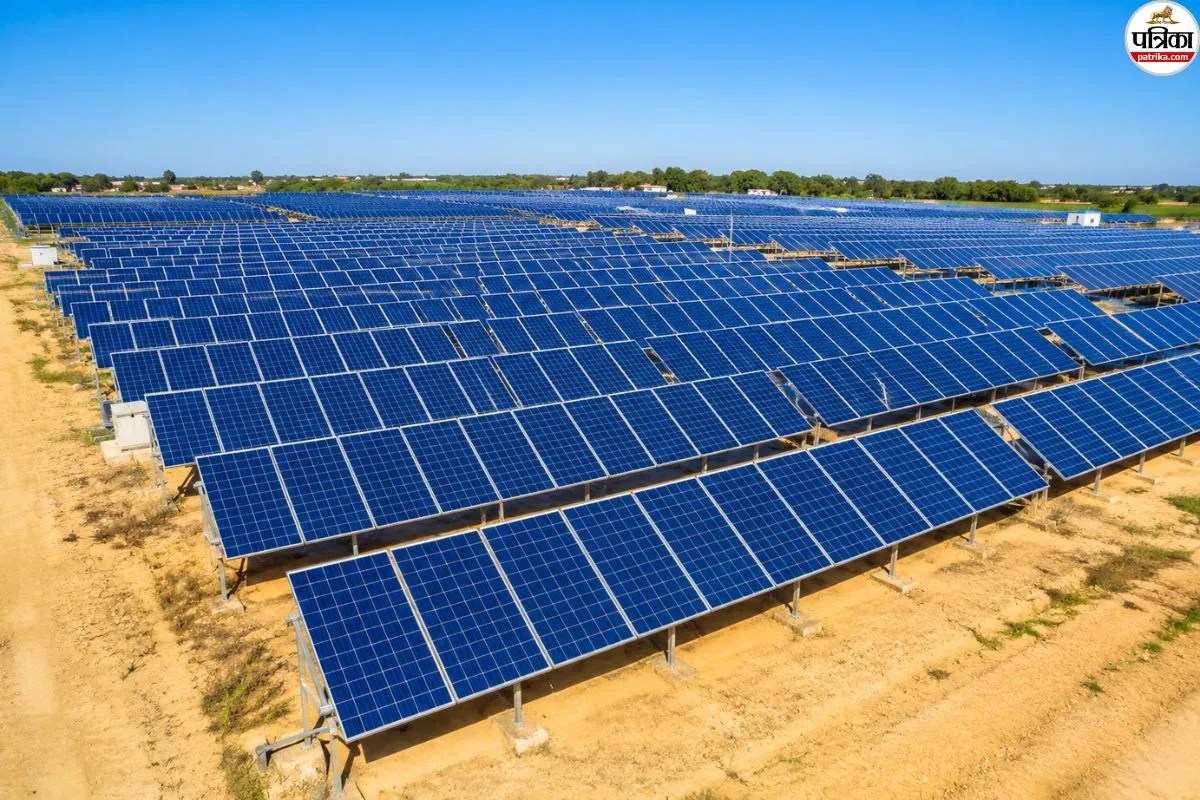
Water supply in Rajasthan to be powered by solar energy (Photo: Patrika Network)

Rajasthan's Public Health Engineering Department (PHED) is preparing to launch its largest-ever renewable energy initiative, with plans to install a 201 MW mega solar system to power major pumping stations that supply drinking water across the state.

According to department officials, PHED's pumping stations currently consume around 350 crore units of electricity annually. To cut this cost, solar systems will initially be installed at large pumping stations in eight districts — Baran, Bharatpur, Bundi, Dausa, Dungarpur, Kota, Sawai Madhopur and Tonk — before the model is extended statewide.

The project, estimated to cost around ₹703.5 crore, is expected to save the department roughly ₹184 crore every month in electricity bills once operational, marking the biggest solar-based initiative planned by any single government department in the state so far.

How the project will work

The scheme will operate on a virtual net metering basis, with one-megawatt solar plants set up and connected to the relevant sub-stations. To keep the process competitive, no single company will be awarded the entire 201 MW contract — each firm can be allocated a maximum of 50 MW.

Contracted companies will also be required to maintain an annual capacity utilisation factor (CUF) of between 17 and 19 per cent, ensuring a guaranteed minimum level of power generation once plants are commissioned. Under the virtual net metering model, electricity generated at a single solar plant can benefit multiple separate power connections held by the department.

Planned district-wise plant allocation

No.DistrictNumber of Plants
1Baran43
2Bharatpur31
3Bundi13
4Dausa26
5Dungarpur16
6Kota21
7Sawai Madhopur27
8Tonk24

Investment by private firms, power purchased by the department

The project will be executed under a Public-Private Partnership (RESCO) model, meaning the contracted company will bear the full cost of setting up, operating and maintaining the plants for 25 years once work begins. PHED will not need to make any capital investment in installing the plants — it will only pay for the electricity actually consumed. Work is expected to be completed within nine months of the contract being signed.

Updated on:
31 Jul 2026 09:57 am
Published on:
31 Jul 2026 09:57 am