24 June 2026,
Wednesday

24 June 2026,
Wednesday
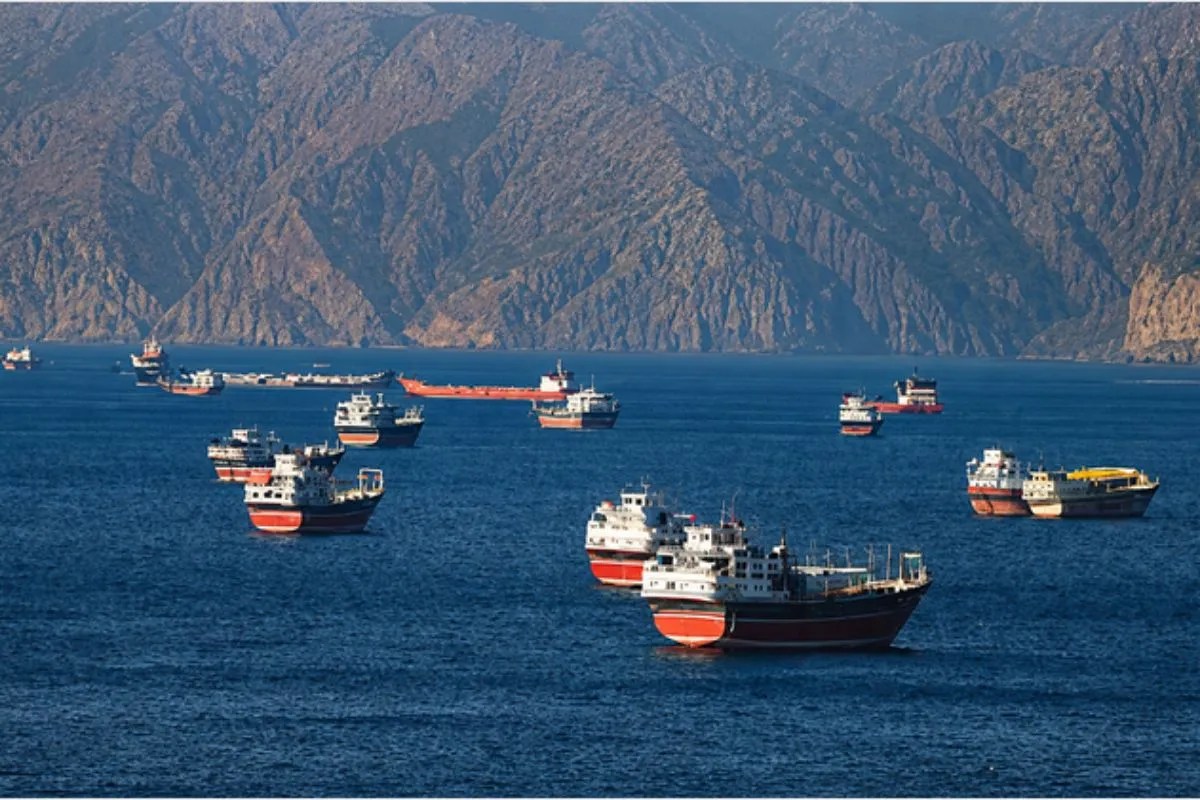
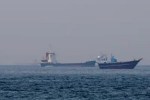
Stranded ships in Strait of Hormuz (File Image)
Following the Iran-US peace deal, the Strait of Hormuz has fully reopened and shipping traffic through the strategic waterway has resumed. However, more than 11,000 sailors remain stranded there — a direct consequence of the war — and their evacuation is yet to be completed.
Rescue Operation Being Planned
The International Maritime Organization (IMO), a body under the United Nations, has begun working on a rescue operation plan to evacuate the stranded sailors. IMO Secretary-General Arsenio Dominguez stated that the operation will be carried out in coordination with Iran, Oman, other regional coastal states, the United States, and the maritime industry.
How the Operation Will Work
Once security guarantees for safe passage were received, a full assessment of navigation conditions in the strait was conducted. The stranded vessels are to be evacuated in a phased manner. According to the report, the ships will be temporarily routed through Omani waters to enable the safe extraction of sailors. The IMO's stated objective is to ensure all sailors are brought out safely and repatriated to their home countries.
Strategic Importance of the Strait of Hormuz
The Strait of Hormuz is a critically important waterway — not only economically but also strategically. Roughly 25 to 30 per cent of the world's crude oil passes through it. Major Middle Eastern oil producers and exporters — including Saudi Arabia, Iran, Iraq, Kuwait, the UAE, and Qatar — ship their crude through this route. When the Strait was shut down due to the war against Iran, it triggered a global oil and gas crisis. Its reopening is expected to ease that situation.
Iran's Control Over the Strait
Iran holds geographic and strategic control over the Strait of Hormuz. The United States has long opposed this dominance, and during the war, the two sides clashed multiple times in the strait, with both exchanging strikes.
Big News
View AllWorld
Trending
US Israel Iran War