Indore

Hingot War 2026 Today in Madhya Pradesh: Two Teams to Hurl Fire Arrows at Each Other in Gautampura, Indore

Turra and Kalangi warriors embrace before the fight and visit injured warriors' homes in the end. Know the tradition's history and how hingot is made.
2 min read
• •
Updated: 9 Nov 2026, 8:36 AM IST
hingot war
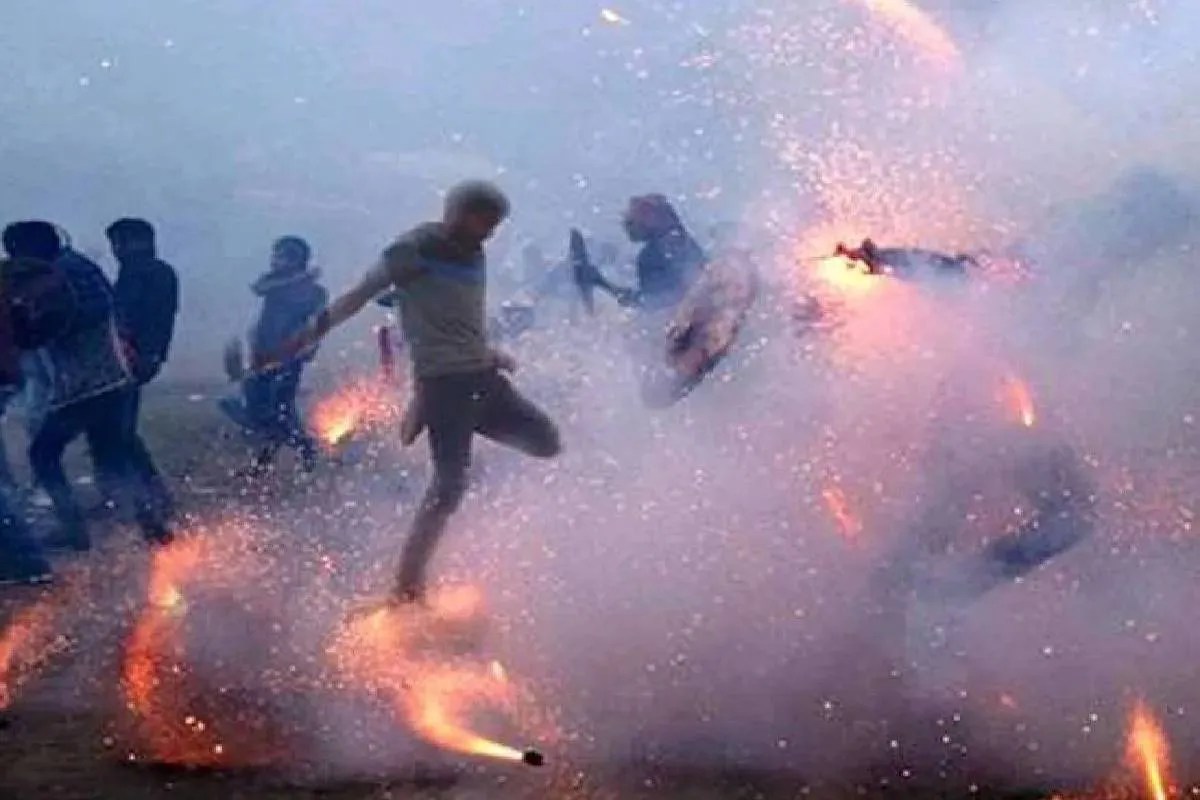
File photo of the Hingot war (Source: Patrika File)

Indore: A traditional "war" that has been followed for hundreds of years will be held today in Gautampura, Depalpur, in Madhya Pradesh's Indore district. On Padwa, the day after Diwali, the Kalangi and Turra teams will fight the Hingot war, with both sides attacking each other one after another with fire arrows.

Thousands of people travel to Gautampura from far and wide to watch and take part in the Hingot war, keeping the years-old tradition alive.

When and How Is the Hingot War Held?

The Hingot war is held every year on Padwa, the day after Diwali. People gather from far and wide to watch this unusual spectacle.

There are two teams in the war, the Turra team and the Kalangi team. The Turra team is made up of warriors from Gautampura village, while the Kalangi team is made up of warriors from Runji village.

In the evening, both teams stand facing each other at the battleground and throw burning hingot at one another. Before the war begins, warriors of both teams first embrace each other and seek the blessings of Lord Devnarayan. As the light fades, the rain of hingot begins.

History and Beliefs

The Hingot war is a tradition about 200 years old. It is believed that during the Mughal period, when armies looted villages, local Maratha warriors used hingot to attack the enemy. The tradition later turned into a symbolic war and a festival.

The most notable thing about the Hingot war is that it is a symbol of brotherhood, not hatred. Before the war begins, the two teams embrace each other, and at the end they visit the homes of injured warriors to ask after their well-being. When burning hingot fly in the sky, cries of Jai Devnarayan echo in one voice all around Gautampura.

How Is Hingot Made?

Hingot is the fruit of a tree called Hingoria. Villagers pick it from the forest several days in advance. The fruit is slightly bigger than a lemon, with an outer surface as hard as a coconut and a pulp-filled interior.

The fruit is cleaned from the outside, and a fine hole is made at one end and a larger hole at the other. Gunpowder is filled inside, and it is kept in the sun for two days. The hole is then sealed with yellow clay, and a dab of gunpowder is applied on the other, fine hole. To keep the aim straight, an eight-inch bamboo strip is tied on top of the hingot. The hingot used in the war is ready in this way.

On the day of the war, warriors of the Turra and Kalangi teams set out for the battleground dancing and singing. They wear turbans on their heads and carry bags full of hingot on their shoulders, with a shield and a burning stick in their hands.

Updated on:
9 Nov 2026, 8:36 AM IST
Published on: