12 October 2026,
Monday

12 October 2026,
Monday
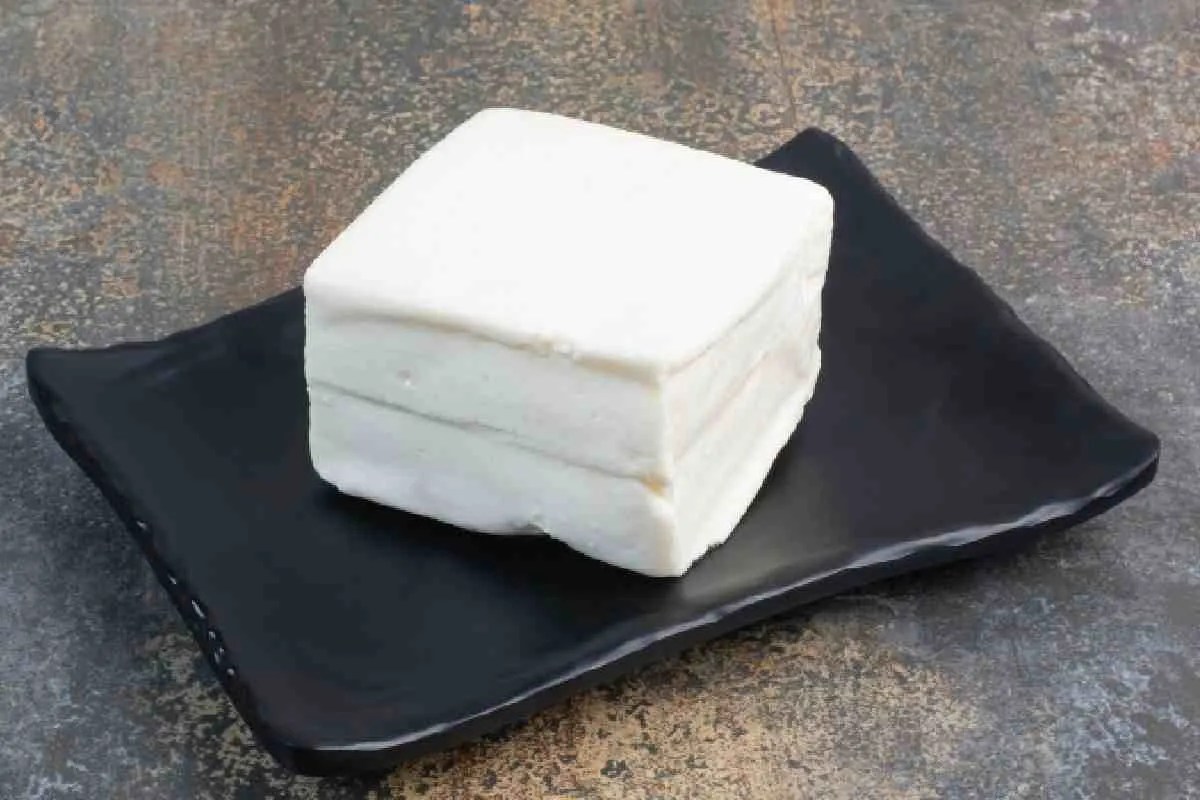
Paneer, representative photo (Photo Source- magnific)
Gwalior: Analogue paneer is still reaching hotels and restaurants in Gwalior, despite a ban on its sale in Madhya Pradesh. Customers who order paneer tikka, shahi paneer or paneer sabzi at hotels may not know whether the paneer is made from milk or from cheap vegetable oil and skimmed milk powder.
Around 2,000 kg or more of analogue paneer reaches hotels, restaurants and especially parcel counters in the city every day.
The difference in price is the main reason. Paneer made from pure milk sells for Rs 340 to 360 a kg in the market. Analogue paneer is easily available for just Rs 200 to 225 a kg.
The saving of about Rs 120 to 150 a kg is attracting traders to the cheaper paneer. Customers get no hint of it, as it is not easy to tell the two apart by look, and often by taste.
Cheap Oil Could Pose Health Risk
Analogue paneer does not have the nutrition of paneer made from real milk. The vegetable oil used in it and its high trans fat content could become a health concern.
According to experts, long-term consumption of poor-quality fat can raise cholesterol and heart-related risks.
Gwalior Consumes 5,000 to 10,000 kg of Paneer Daily
The city's high paneer consumption is a major basis of this trade. On normal days, 5,000 to 10,000 kg of paneer is consumed in Gwalior every day. In the wedding and big-event season, the demand rises to 25,000 to 30,000 kg a day.
Milk Paneer and Analogue Look Alike, Made Differently
As per the standards of the Food Safety and Standards Authority of India (FSSAI), paneer from milk is made by heating cow or buffalo milk. The milk is curdled with a food acid such as lemon juice or vinegar to make chhena. Real paneer is made from this.
A product that looks like paneer is made from skimmed milk powder (SMP), fat, soybean oil and other ingredients. This is called analogue.
Most Consumption in Parcel Gravies
Analogue paneer is consumed the most in food items that reach customers as parcels. It is being reported that it is used in dishes such as paneer sabzi, shahi paneer, paneer masala and paneer tikka.
Among gravy and spices, it is hard for a customer to make out whether the paneer on the plate is real or analogue.
After the ban in the state, the Food Safety Department had also taken samples of it. But its availability in the market now shows that the pace of monitoring is not as fast as the pace of consumption.
Paneer at Rs 200 a Kg Under Question
Narendra Mandil, national general secretary of the Doodh Dairy Vyavsayi Sangh (All India), said: "Analogue paneer and products made from it are selling more because the laxity in FSSAI rules is being exploited somewhere. The price of paneer sold in the market itself says a lot. If any paneer is available at around Rs 200 a kg, questions about its quality are natural."
Food Department Says Samples Are Being Taken Continuously
Dr Sachin Srivastava, Designated Officer (Food Safety), Gwalior, said: "From time to time, the team takes paneer samples. One person has to take at least five samples every day. The test report on paneer samples takes about four months to arrive. Analogue paneer is also being tested continuously."
How to Tell the Difference