Jaipur

Jaipur Faces Water Crisis Despite Full Bisalpur Dam: 33 Leaks in Ageing Pipeline Disrupt Supply

Jaipur faces a severe water crisis due to 33 major leaks in the ageing Bisalpur pipeline and a lack of long-term planning despite a full dam.

2 min read
Jun 15, 2026
Bisalpur Project,Jaipur
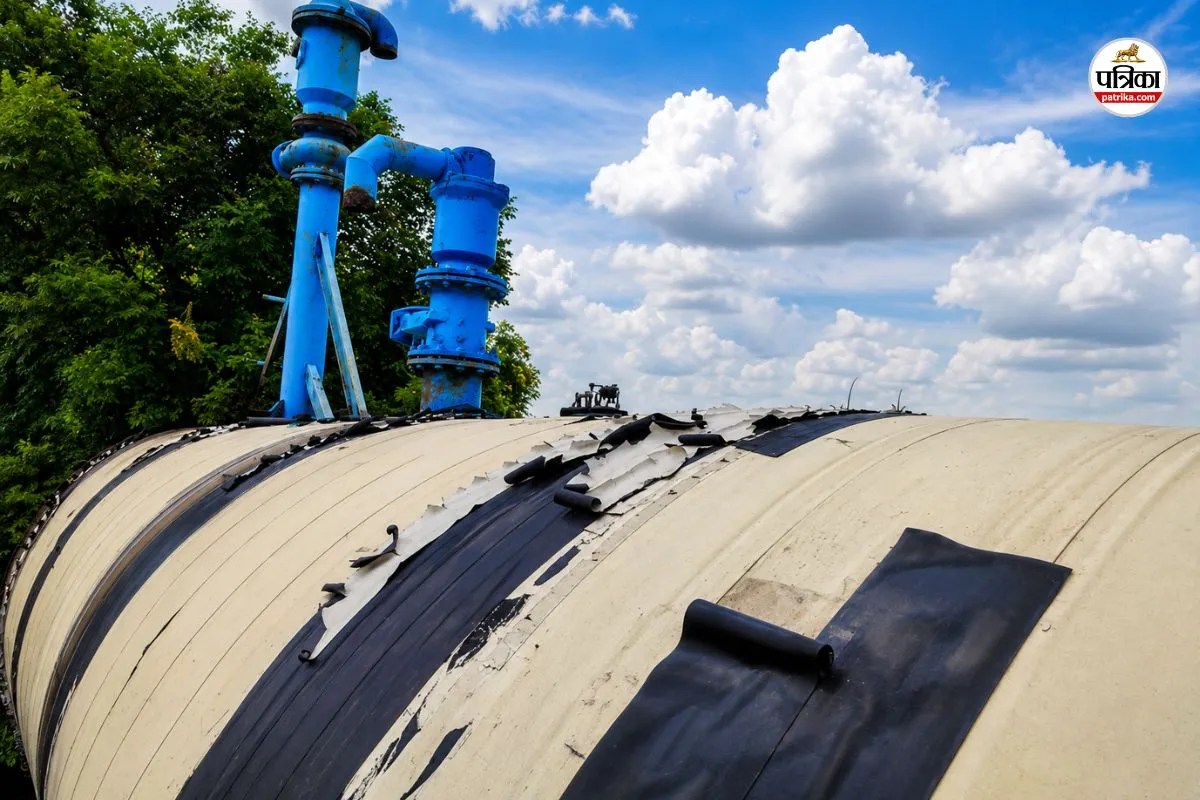
Bisalpur Pipeline Leakage,photo- patrika

The worsening water crisis in Jaipur is the result of a severe lack of long-term planning rather than an actual shortage of water. The Bisalpur pipeline, which began operations in 2009, was designed to meet the city's population requirements only up until 2021. Today, it is struggling to handle the demands of the 2026 population.

Preparations for a secondary pipeline should have started in 2015, but authorities delayed the project for a decade. Consequently, the current infrastructure is failing. Pipes are bursting frequently, and regular maintenance shutdowns are leaving millions of residents without water despite the Bisalpur Dam being full.

Increased Pressure Triggers Frequent Pipeline Failures

The 17-year-old main pipeline is currently compromised by 33 major leaks.

  • The Structural Strain: Whenever the water department increases pressure to meet the growing demands of the population, the weakened pipeline ruptures at these 33 weak points.
  • The Impact: Repairing these ruptures requires immediate system shutdowns, which regularly cut off the city's water supply for 24 to 72 hours at a time.

The ₹205-Crore Project Fails to Deliver

To resolve the supply bottleneck, a 216 MLD (Million Litres per Day) water treatment plant was built in Surajpura, along with an intermediate pumping station in Renwal, at a total cost of ₹205 crore.

  • The Claim: Officials originally promised that the Renwal pumping station would allow more water to be drawn through the existing pipeline without increasing structural strain.
  • The Reality: Contrary to official claims, both the treatment plant and the pumping station have failed to resolve the issue, rendering the ₹205-crore investment ineffective.

Growing Reliance on Water Tankers

When the Bisalpur project was launched, the government claimed it would eliminate the city's reliance on municipal water tankers.

However, 15 years later, the tanker system remains indispensable. In several neighbourhoods, water tankers have once again become the primary source of drinking water. Due to mismanagement and flaws in the distribution network, residents are routinely left struggling to secure their daily water supply.