Jodhpur

Indira Gandhi Canal Water Brings New Crops to Rajasthan’s Thar Desert, but Natural Grazing Lands Are Shrinking

Pomegranate, dates and figs are now grown in western Rajasthan, but livestock numbers are falling and waterlogging and soil salinity are emerging.
2 min read
• •
Oct 19, 2026
Rajasthan Biodiversity
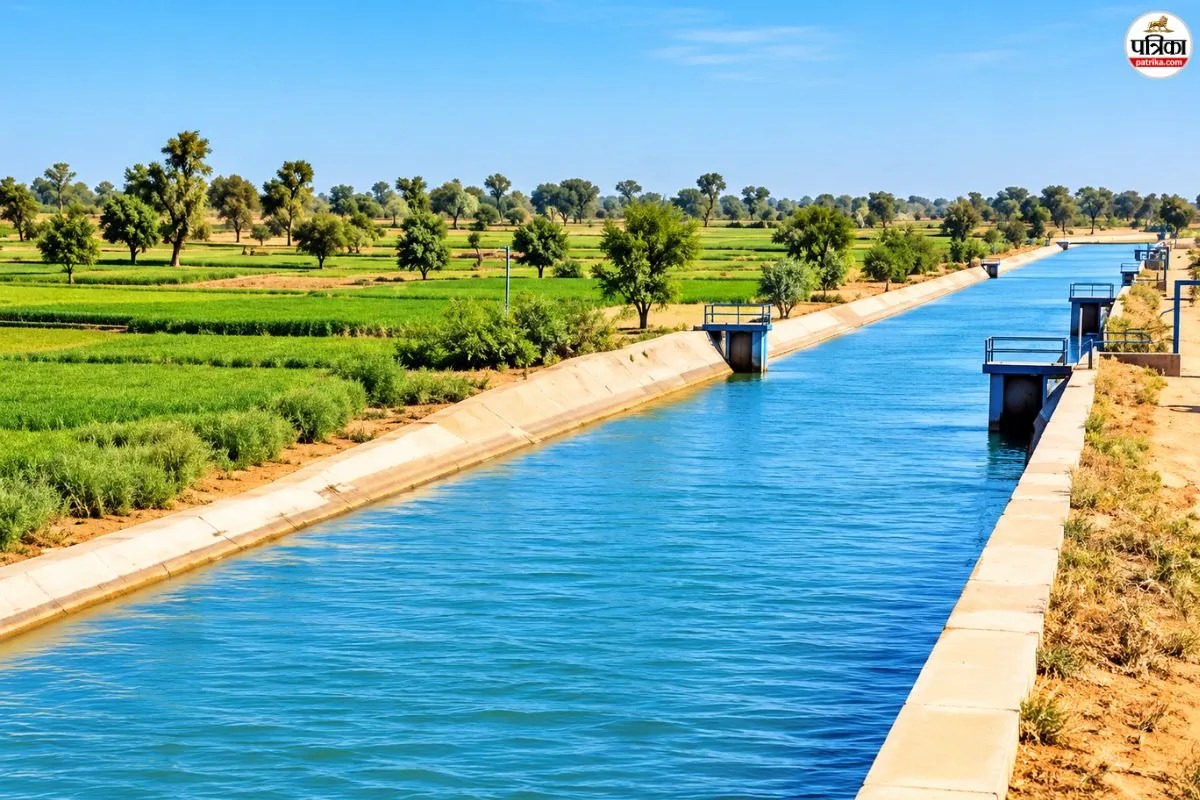
Greenery and farming and horticulture are expanding in western Rajasthan with Indira Gandhi Canal water. (Photo: Patrika)

Jodhpur: Availability of water is steadily changing the landscape of the Thar in western Rajasthan. As canal irrigation widens, farming and horticulture are spreading, while natural pastures are shrinking. At the same time, new crops and plants are spreading among the desert's traditional vegetation.

The desert landscape of western Rajasthan is changing fast after the arrival of Indira Gandhi Canal water. The canal, which starts from the Harike Barrage in Punjab, enters Rajasthan and reaches the western districts. With canal water, greenery is now visible in several parts of the desert, in the fields and the areas around them.

Vegetation suited to the Thar's low rainfall and harsh climate, such as sewan, khejri, rohida, kumat, ker, phog, aak, ber, dhaman and khimp, is part of the region's natural system. Natural sewan pastures are of special importance for animal husbandry. As farming expands, the use of these pastures is changing, and in many places their land is coming under cultivation.

Farming Spreads From Bajra to Pomegranate and Cumin

Crop choices are also changing in western Rajasthan with the availability of water. Rain-fed farming of bajra, moong, moth, guar and sesame is now joined by wheat, mustard, gram, cumin, isabgol, groundnut, cotton and castor. In irrigated areas, horticulture of pomegranate, dates, figs, kinnow, amla and guava is also growing alongside vegetables.

Fewer Pastures, Fewer Livestock

As natural pastures shrink, the area available for traditional fodder is also reducing. The effect is visible on livestock. Marwar's livestock is known in India and abroad for its breeds and usefulness, but its numbers are also falling as pastures decline.

Balance Under Strain

This change in the vegetation system is affecting the availability of fodder and local biodiversity. Over time, it could also alter the traditional balance between soil, vegetation and livestock. Waterlogging and soil salinity problems are also emerging in some irrigated areas.

On the other hand, availability of water is giving farmers the chance to take more crops and expand horticulture. Thus, water is changing not only the pattern of farming in the Thar but also how land is used and how the natural landscape looks.

Spread of Vilayati Babool

Along with the expansion of farming, vilayati babool (Prosopis juliflora) is also spreading in some parts of western Rajasthan, including Jaisalmer. Local vegetation is getting less space in its dense areas. Its spread is also affecting the natural vegetation structure of the land.

Updated on:
19 Oct 2026 02:15 pm
Published on:
19 Oct 2026 02:15 pm