Israel's intelligence agency, Mossad, has removed two senior officials from their posts after a long-running plan to overthrow the Iranian government reportedly collapsed. Mossad Director Roman Gofman ordered the dismissals following the failure of the covert operation.
According to a report by Israeli broadcaster Channel 12, the move forms part of a wider internal restructuring within Mossad. The two officials held closely linked responsibilities: one had served as head of Mossad's Intelligence Directorate since December, while the other led the agency's Iran Division.
Security sources indicate that both officials had reportedly clashed with Gofman from the outset. Their removal from these specific roles is said to have been by mutual agreement, and both are expected to continue working elsewhere within the agency.
The alleged scheme centred on providing support to minority communities inside Iran, particularly the Kurds, and encouraging large-scale public protests aimed at weakening the Islamic Republic's government.
The plan reportedly also involved Israeli strikes on Islamic Revolutionary Guard Corps positions near the Iran-Iraq border, especially in Iranian Kurdistan. The intention was for Kurdish fighters to advance into Iran, drawing thousands of young recruits and sparking a movement that would spread nationwide, eventually reaching Tehran.
Reports suggest the plan also included attempts to bring former Iranian President Mahmoud Ahmadinejad back to power. The New York Times has reported that Israel spent years trying to establish contact with Ahmadinejad, who reportedly met then-Mossad chief David Barnea at an academic conference in Hungary.
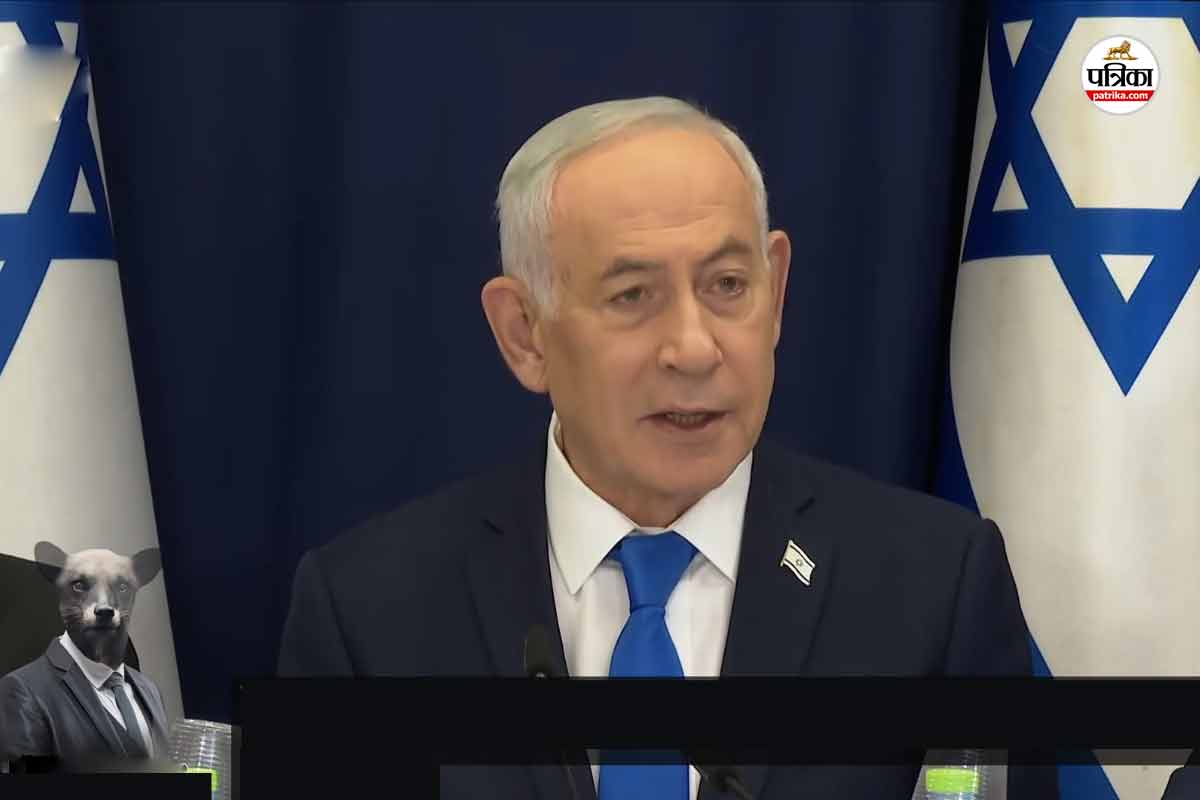
The plan was said to be significant enough that Prime Minister Benjamin Netanyahu referenced it in February while trying to persuade US President Donald Trump to back military action against Iran.
During the recent conflict, Israel and the United States struck Iran's security infrastructure, missile systems and Basij bases. However, the US is reported to have distanced itself from the regime-change plan owing to pressure from Turkey and concerns raised by Kurdish groups themselves.