21 September 2026,
Monday
21 September 2026,
Monday
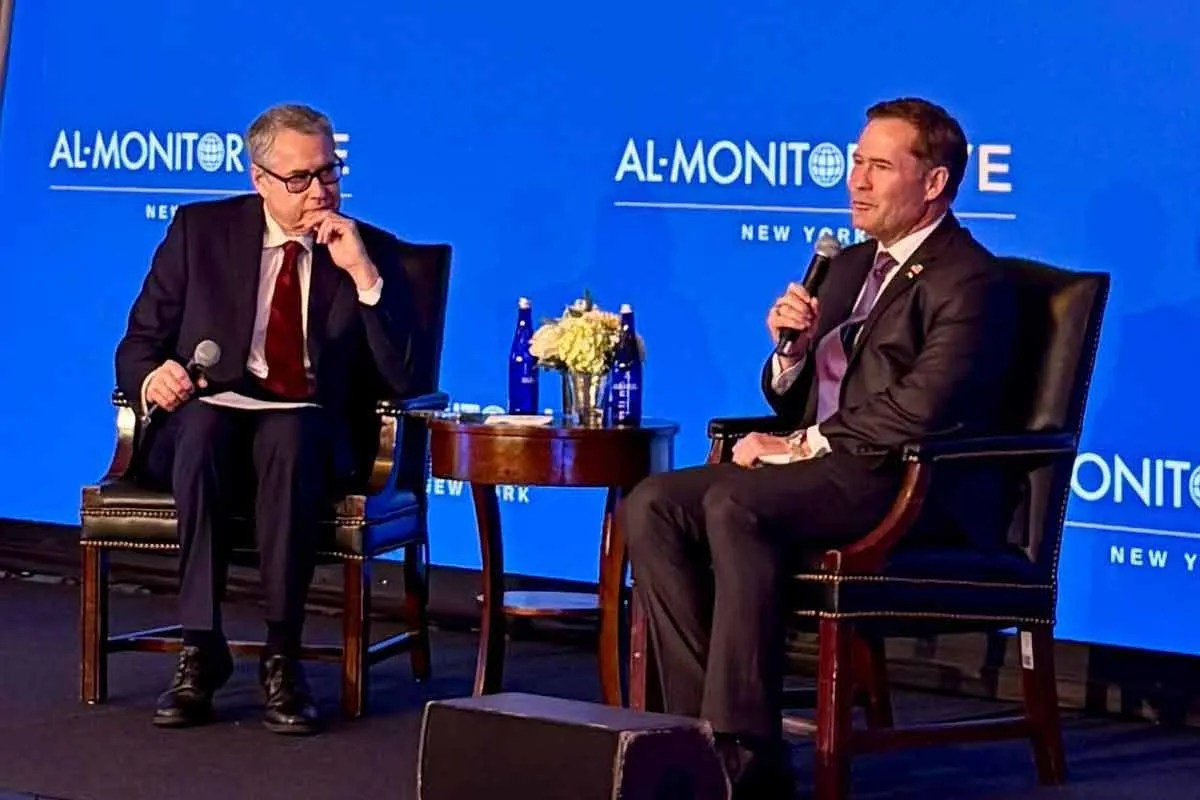
US says talks are possible only if Iran meets its condition (Photo source: @USAmbUN)
The United States has restated its position on Iran's nuclear programme. Mike Waltz, US ambassador to the United Nations, has said President Donald Trump's aim is to ensure that Iran never acquires a nuclear weapon, and that Washington will continue its "maximum pressure" policy to that end.
Alongside this, the channel for talks with Tehran has been left open. The only condition, according to the report, is that Iran returns to negotiations seriously and in good faith.
A twin-track approach
Amid tensions between the US and Iran, Washington has sent a two-part message: no compromise on nuclear weapons, but continued scope for diplomatic talks. Waltz said Trump remains fully focused on preventing Iran from obtaining a nuclear weapon.
According to a report by Al-Monitor dated 20 September, Waltz told an event in New York that the route to dialogue is not closed if Iran comes back to the negotiating table in earnest. He also repeated this position in a social media post.
Regional security and the Strait of Hormuz
Waltz described the Iran-US-Israel confrontation as a continuation of a decades-old conflict. His remarks specifically mentioned the Strait of Hormuz, a sea route of major importance to global energy supplies. The US side argues that preventing Iran from acquiring nuclear capability is a matter of regional security as well as international energy security. Waltz has raised this concern publicly before.
The 2015 JCPOA and the 2018 reversal
The roots of the dispute go back to the 2015 Joint Comprehensive Plan of Action (JCPOA), commonly known as the Iran nuclear deal. Signed with the US, UK, France, Germany, Russia and China, the agreement placed several limits on Iran's nuclear programme in exchange for sanctions relief. According to US Treasury records, its purpose was to confine Iran's nuclear programme to peaceful activities.
In 2018, the Trump administration withdrew the US from the agreement and reimposed nuclear-related sanctions. Iran subsequently began moving away from several of the deal's limits.
Deepening geopolitical divide
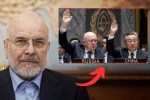
The situation has since become more complicated. In September 2026, Russia and China vetoed a US-backed resolution at the United Nations on continuing independent monitoring of sanctions on Iran, according to the report. This has highlighted the difficulty of reaching international consensus on the nuclear dispute.
Tehran has consistently maintained that its nuclear programme is not intended to produce weapons. Waltz's latest statement suggests that Washington wants to keep up economic and political pressure while not entirely closing the channel for future talks.