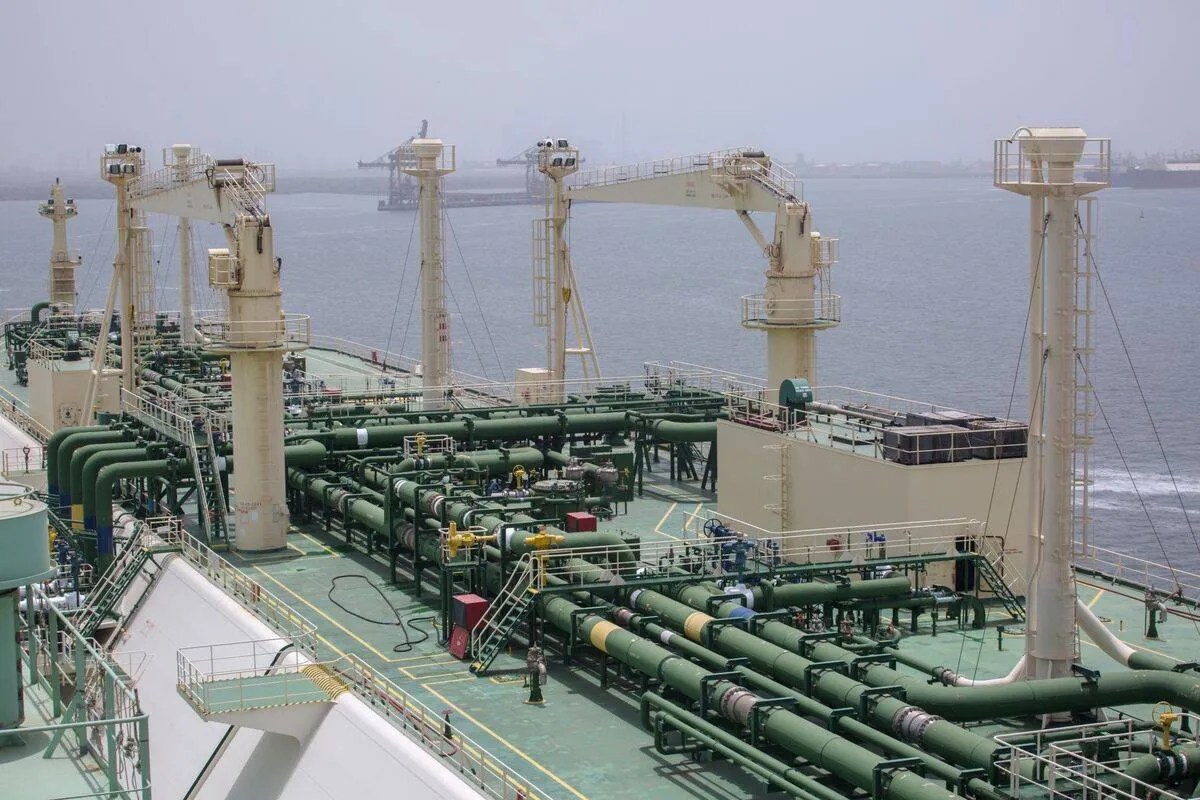
Pakistan has been forced into emergency liquefied natural gas (LNG) purchases, paying above current Asian spot rates after delaying procurement in the hope that disrupted Qatari supplies would resume.
Pakistan LNG Limited failed to issue an emergency tender for two cargoes needed for May delivery, a process halted earlier that month. Strain on Pakistan's energy procurement has persisted since supplies from main supplier Qatar were disrupted amid regional tensions, pushing the country to repeatedly rely on the spot market in recent months.
BP Plc issued an "urgent request" for an LNG cargo for delivery between 30 June and 4 July at $16.74 per million British thermal units (BTU), traders said, compared with Asian spot prices of around $15 per million BTU on the same day.
The situation worsened after an attack on a tanker carrying Qatari oil through the Strait of Hormuz on Saturday, days after a Singapore-flagged container ship was also struck. Shipping data showed Qatari LNG exports through the waterway have almost completely halted following the attacks, deepening the supply crunch for import-dependent buyers such as Pakistan.
Unlike other nations that moved quickly to secure energy supplies, Islamabad initially held off, delaying purchases in the hope that the Hormuz disruptions would ease and cheaper Qatari gas would resume on schedule.
Pakistan LNG Limited ultimately turned to emergency spot tenders after a Qatari shipment was disrupted, then cancelled, amid rising tensions in the strait. One deal saw LNG bought from BP Plc at $19.1337 per million BTU, the highest price Pakistan has paid since 2022.
The fallout comes as Pakistan's consumer price index rose 11.7% year-on-year in May, up from 10.9% in April and the highest level in two years, driven largely by rising energy import costs. Public sector employee groups, including Punjab's All Government Employees Grand Alliance, have demanded relief measures ahead of the 2026-27 federal budget, citing eroding purchasing power.
This marks the second time in roughly two years Pakistan has turned to the spot market, having previously done so in April. The country remains heavily reliant on Qatar for LNG imports, with import volumes now well below normal levels despite some shipments continuing through Hormuz under temporary arrangements.