Indore

Indore Water Supply: Plan to Bring Water From Tincha Falls to Cut Dependence on Narmada

Indore is studying a plan to bring water from Tincha Falls through a 15-km pipeline to cut Narmada dependence after 37% less rain this year.
3 min read
• •
Oct 12, 2026
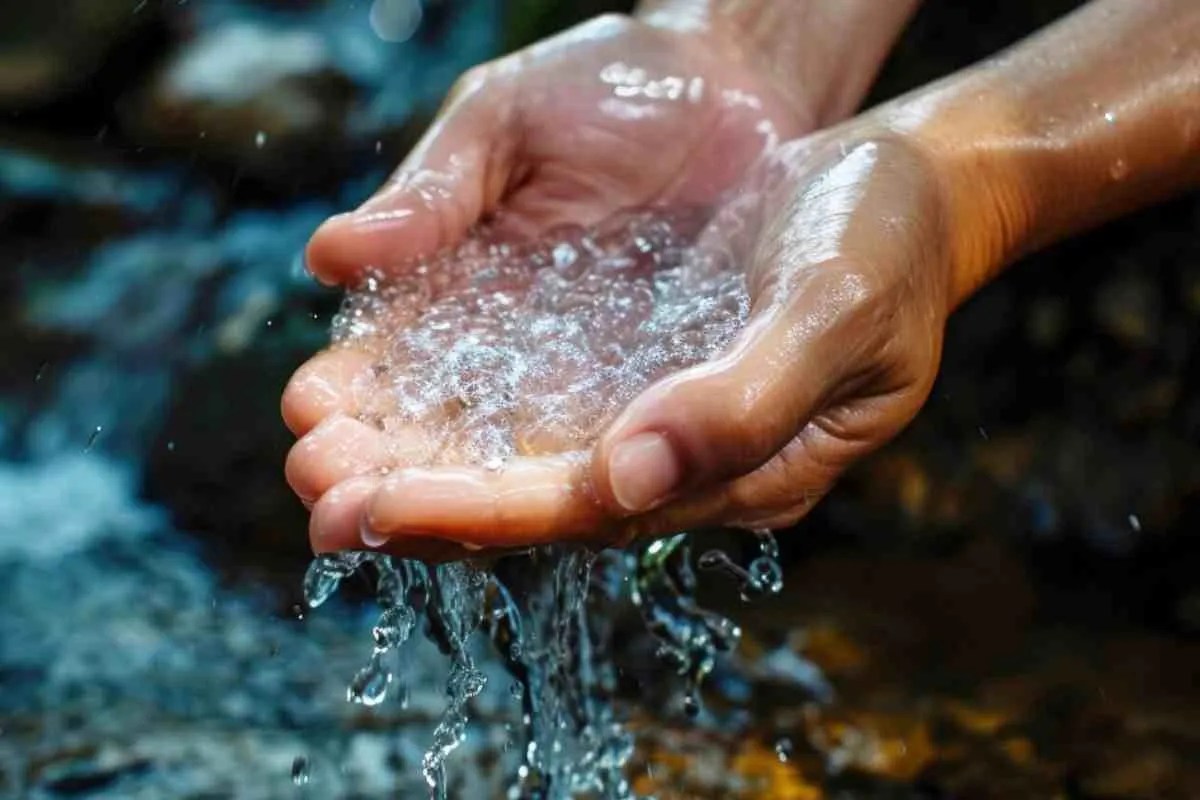
भू-जल स्तर में गिरावट, प्रतिकात्मक फोटो (Photo Source- magnific)
Fall in groundwater level, representative photo (Photo Source- magnific)

Indore: Indore has received about 37 per cent less rain than average this year. Groundwater levels have fallen, and several water bodies have stored very little water.

The focus is now on developing alternative water sources. The aim is to reduce dependence on Narmada water and cut groundwater extraction. The district administration has planned to develop Choral, Tincha and Sheetla Mata Falls as water sources. The project is currently being examined.

Indore Could Get Water

Experts associated with the project claim that Tincha Falls could develop a storage capacity of 120 million to 150 million cubic metres of water.

There is also a plan to develop other water sources around Mhow. If this happens, 50 MLD of Narmada water that goes to Mhow could start reaching Indore.

The plan also involves developing several ponds and water bodies nearby. Water from them would be brought to Asrawad or Limbodi.

If all goes well, the project report will be submitted to the district administration. A decision will be taken on that basis.

Groundwater Level Could Improve

Narmada water is supplied to the city for drinking. It is also given for irrigation along the way. The supply continues even after the crop season. At many places, water is drawn using motors. This water can be lifted from ponds around Asrawad or Limbodi and brought in.

Overflow water flows in the Kanad river for 12 months. It reaches Tincha. This water can be held by building a stop dam.

If this water is brought to the city's Limbodi pond, groundwater levels in several colonies along the bypass would improve.

Water Harvesting and Conservation Needed

There are several alternative sources within 40 to 50 km of the city. Working on them could increase water capacity through harvesting and conservation.

Some years ago, the then mayor Krishnamurari Moghe had planned to bring rainwater flowing in the Choral river to the city. Not enough work was done on increasing water sources in the past decade.

The municipal corporation now needs to look for sources other than Narmada and Yashwant Sagar. Water from different sources can be held by building stop dams and brought to new ponds in the city. This could also recharge groundwater through aquifers.

What Can Be Done

  • Tincha Falls gets plenty of water from the Kanad river (Datoda catchment) during the rains, but it flows away. This water will have to be held by building a dam. Larger ponds will have to be developed further on so that it can be used throughout the year. This site is before Jalud, so the cost of bringing the water to Indore will also be lower.
  • In Mhow, a large pond near Bhatkhedi village gets plenty of water from the Janapav catchment area. Water remains stored in the pond for several months. A plan can be made to use this water.
  • If a large reservoir is built at Tincha Falls, its potential storage could be 120 million to 150 million cubic metres. Indore's water demand is 700 to 900 MLD. Tincha Falls could meet 35 to 50 per cent of the city's drinking water need.

Suresh MG, a water management expert, said: "Work is under way on plans to develop water sources other than the Narmada. The aim of alternative sources is not to create a new source but to set up a network. All points are being examined for this. The report will be submitted to the district administration. The initial assessment has made it clear that a new parallel water network can be set up in the city. This network will provide water and also raise the groundwater level."

Understanding the Water System

Water reaches the Kanad river from Patalpani. This water, along with water from nearby areas, flows into Tincha.

An intake structure can be developed beyond Tincha. Water can then be pumped to Asrawad. A pipeline can bring it from there to the Limbodi pond. About 15 km of pipeline would have to be laid across the whole network.

Key Points of the Project

ItemDetail
Proposed capacity50 MLD (5 crore litres a day)
Total length14-15 km
Tincha-Kanad to Asrawad9.8 km
Asrawad to Limbodi4.4 km
Likely pipe diameter800-900 mm
Pumping headTo be decided after site survey (estimated 20-80 metres)
Intermediate reservoir1-2 million cubic metres
Updated on:
12 Oct 2026 11:51 am
Published on:
12 Oct 2026 11:51 am