Raipur

KYC Update Last Date 30 October: Raipur Bank Customers Warned of Transaction Halt, Account Closure

Banks in Raipur have asked customers to update KYC by 30 October or risk transaction halt or account closure. Check the requirements.
2 min read
• •
Oct 05, 2026
KYC Last Date
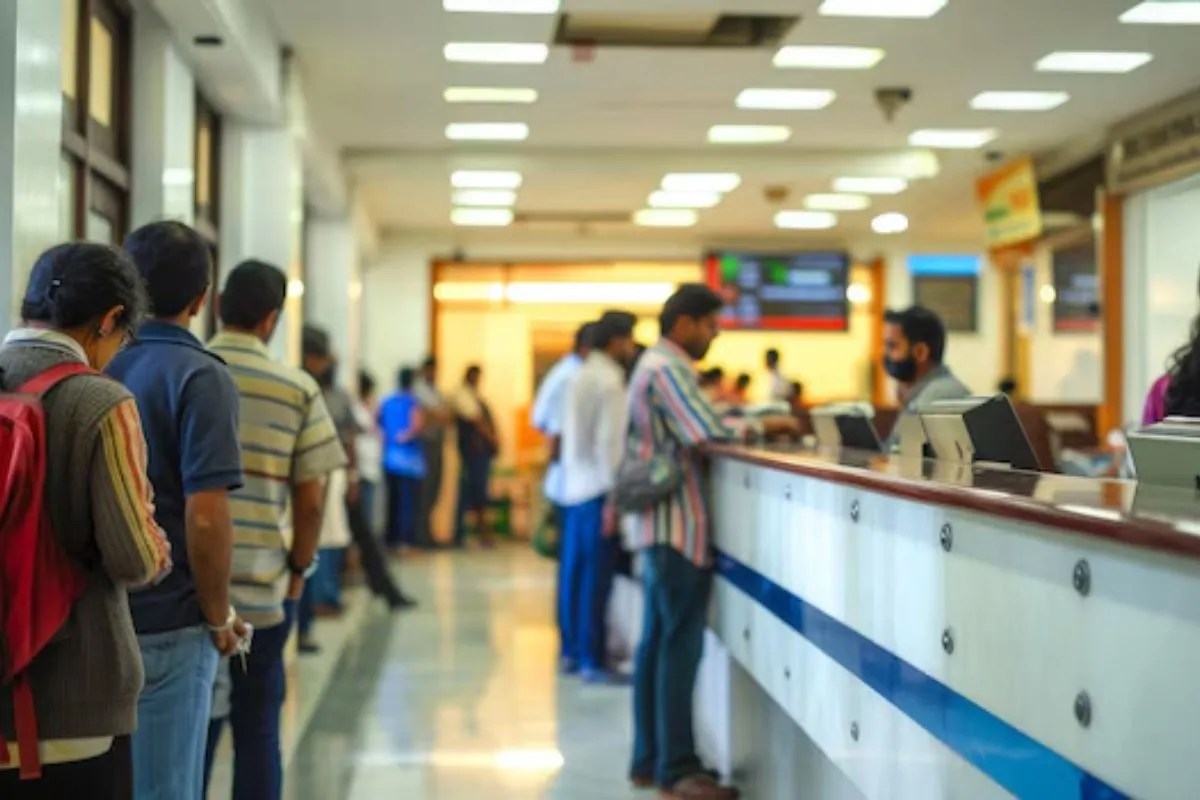
Thousands of bank customers have been alerted (Photo source: Freepik)

Raipur: Banks have issued a warning to thousands of account holders in Raipur who have not completed customer identification verification for their accounts for a long time. Various bank branches have put up notices in their offices directing customers to update their identity-related information by 30 October. The notices warn of action, ranging from stopping transactions in the account to closing it, if the process is not completed within the stipulated time.

According to the banks, branches in the city have a large number of accounts in which there has been no active transaction for between one and five years. Such account holders are being informed that they must update their identity-related details. Notices to this effect have been issued at branches of several banks, including Punjab National Bank, State Bank of India and Bank of Baroda.

During identity verification, Aadhaar, Permanent Account Number (PAN) and documents relating to identity and address may be taken. In some cases, physical verification of the customer will also be required.

Bank officials said customers should not wait for the last date, as failure to complete the process in time could cause problems with transactions in the account. According to available information, around one lakh customers across different banks have not got their long-inactive accounts reactivated.

KYC Required at Banks for the Following

  1. Customers opening a new bank account, such as savings, current or fixed deposit (FD).
  2. Existing account holders, when the bank's records require a KYC update or re-KYC.
  3. Customers whose identity or address details have changed, such as a new address or name.
  4. Inactive accounts or accounts not used for a long time, where banks ask for documents again.
  5. KYC of high-risk customers may be updated more frequently.
  6. In joint accounts and accounts of firms, companies, trusts and similar entities, details of all the persons or authorised representatives concerned are also taken.

2. Meta description

3. Tags

4. URL

5. Image caption

Points to check in source (not for copy)

Updated on:
05 Oct 2026 09:58 am
Published on:
05 Oct 2026 09:58 am