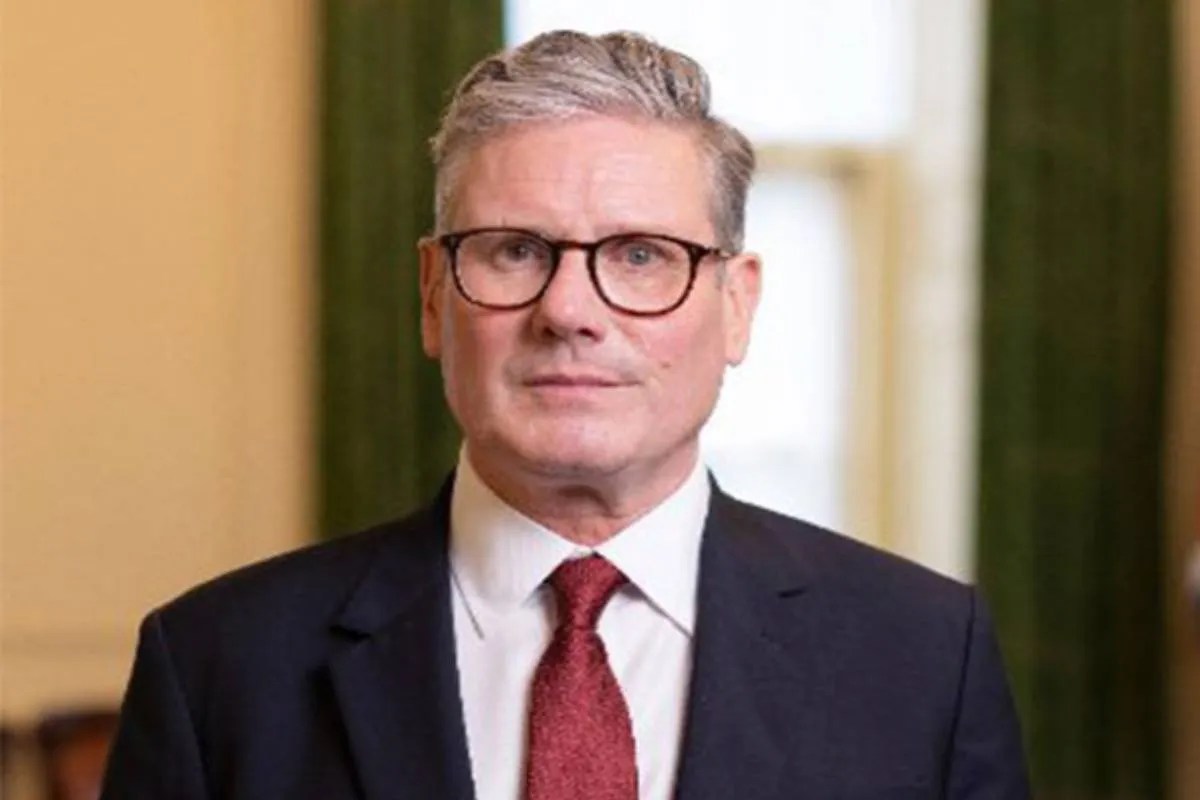
UK Prime Minister Keir Starmer has called a meeting of 35 countries to discuss reopening the Strait of Hormuz amid ongoing Middle East tensions and disrupted global shipping.
Strait of Hormuz: Britain has taken the lead to resolve the deepening energy crisis worldwide due to the escalating war between America and Iran. British Prime Minister Keir Starmer has announced a major diplomatic front to reopen the strategically crucial 'Strait of Hormuz'. A significant summit of 35 powerful nations is scheduled to be held in London this week. Its primary objective is to ensure maritime security and restore the disrupted oil supply. Starmer has clarified that Britain will not be a part of the war but will take diplomatic steps for energy security.
Starmer stated in very clear terms during a press conference in London that Britain will not be involved in this war between America and Israel. He emphasized, "This is not our war, and getting entangled in it is not in our national interest." However, for the global economy to be saved from recession and inflation, the opening of this waterway is very important.
Britain's Foreign Secretary Yvette Cooper will host this important meeting. Representatives from the 35 countries that recently signed a joint declaration for maritime security and the restoration of free navigation will attend. According to diplomatic sources, countries like Japan, South Korea, and India could play a very important role in this alliance in terms of energy needs.
The British government's strategy is clear: first, to exert diplomatic pressure on Iran. If a solution is not found through dialogue, military options will also be considered. Starmer stated that military planners will meet immediately after the diplomatic talks. They will decide how naval capabilities can be used to secure this maritime region after the war ends.
Britain has reacted sharply to US President Donald Trump's advice to European countries to secure their own oil and his statement calling NATO a 'paper tiger'. Keir Starmer strongly defended NATO, calling it the world's most effective military alliance. Meanwhile, European and Asian countries' displeasure against Iran's 'chokehold' (complete control) over Hormuz is now openly coming to the fore.
The decisions of this meeting of 35 countries in London will be watched by the entire world. The meeting of military officials, following the diplomatic discussions chaired by Foreign Secretary Yvette Cooper, will determine whether a joint naval fleet will be deployed to ensure the security of commercial ships in Hormuz.
The Strait of Hormuz is the world's most important 'oil chokepoint'. In times of peace, about one-fifth of the global crude oil and liquefied natural gas (LNG) passes through this narrow passage. Its closure since February 28 has caused significant turmoil in the global energy market. Countries like India and Japan, which are primarily dependent on Gulf countries for their energy needs, are facing the most economic damage.