13 October 2026,
Tuesday

13 October 2026,
Tuesday
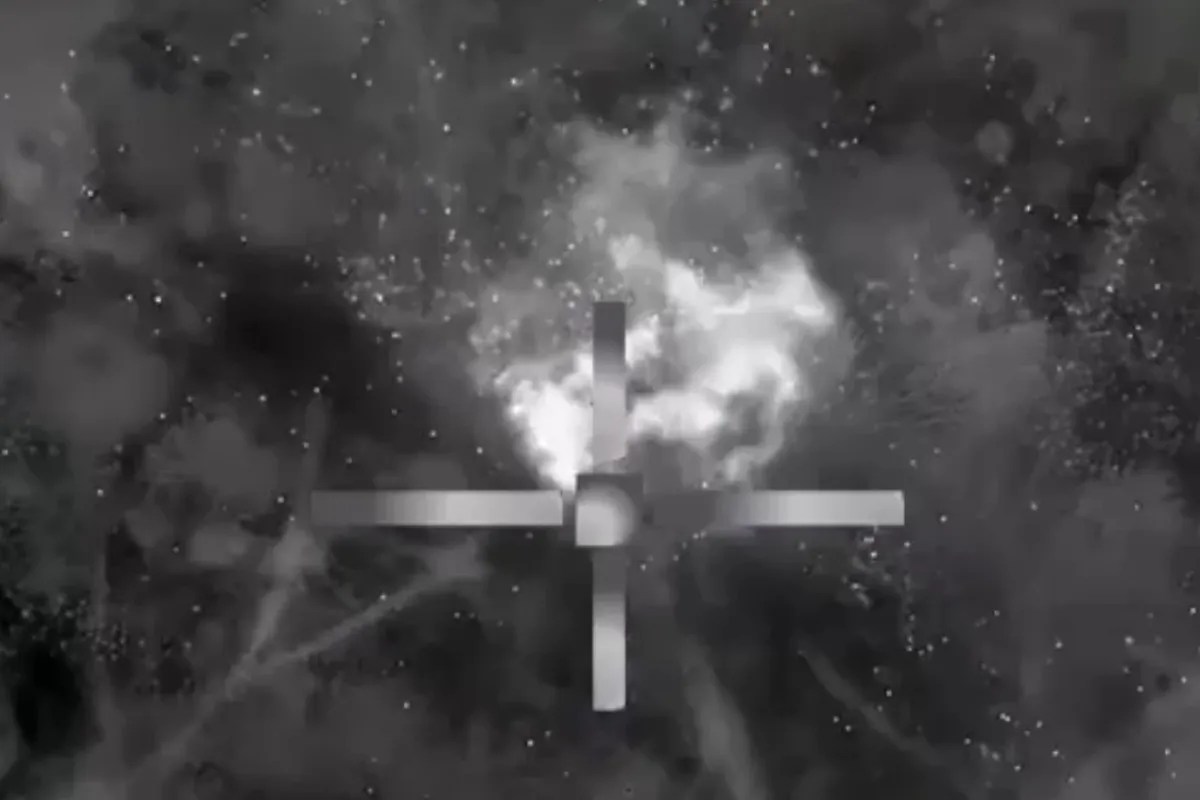
American and Nigerian forces have carried out coordinated airstrikes against Islamic State positions in north-eastern Nigeria, killing at least 175 militants in what officials are calling a devastating blow to the terror network's regional command structure.
The strikes, conducted on 18 May, were confirmed by the United States Africa Command (AFRICOM), which announced the operation on social media. No American or Nigerian casualties were reported.
Among those killed was Abu Bilal al-Minuki, described as the second-highest-ranking commander in Islamic State's global hierarchy and considered one of the most active terrorist figures in the world. His death is expected to severely disrupt the organisation's command structure, operational coordination, and planning for external attacks.
Several other senior figures also perished in the strikes, including Abd al-Wahab, who served as a coordinator of attacks and propaganda; Abu Musa al-Mangawi; and Abu al-Muthanna al-Muhajir, who managed the group's media production operations.
Beyond the human toll on the militant organisation, the airstrikes also destroyed key infrastructure supporting Islamic State's operations in the region, including logistics hubs, weapons depots, checkpoints, military equipment, and financial networks.
Both governments have described the operation as a landmark success in the ongoing campaign against extremism in West Africa, where terrorist violence has intensified sharply over the past decade.
However, analysts warn the strikes could trigger retaliatory violence. Islamic State has previously responded to military setbacks by targeting Christian communities within Nigeria — a pattern that American authorities have condemned on multiple occasions. In a similar episode last Christmas, US forces joined Nigerian troops in striking militant positions following attacks on civilians. Should fresh retaliatory strikes occur, a renewed joint military response is considered likely.