10 October 2026,
Saturday

10 October 2026,
Saturday
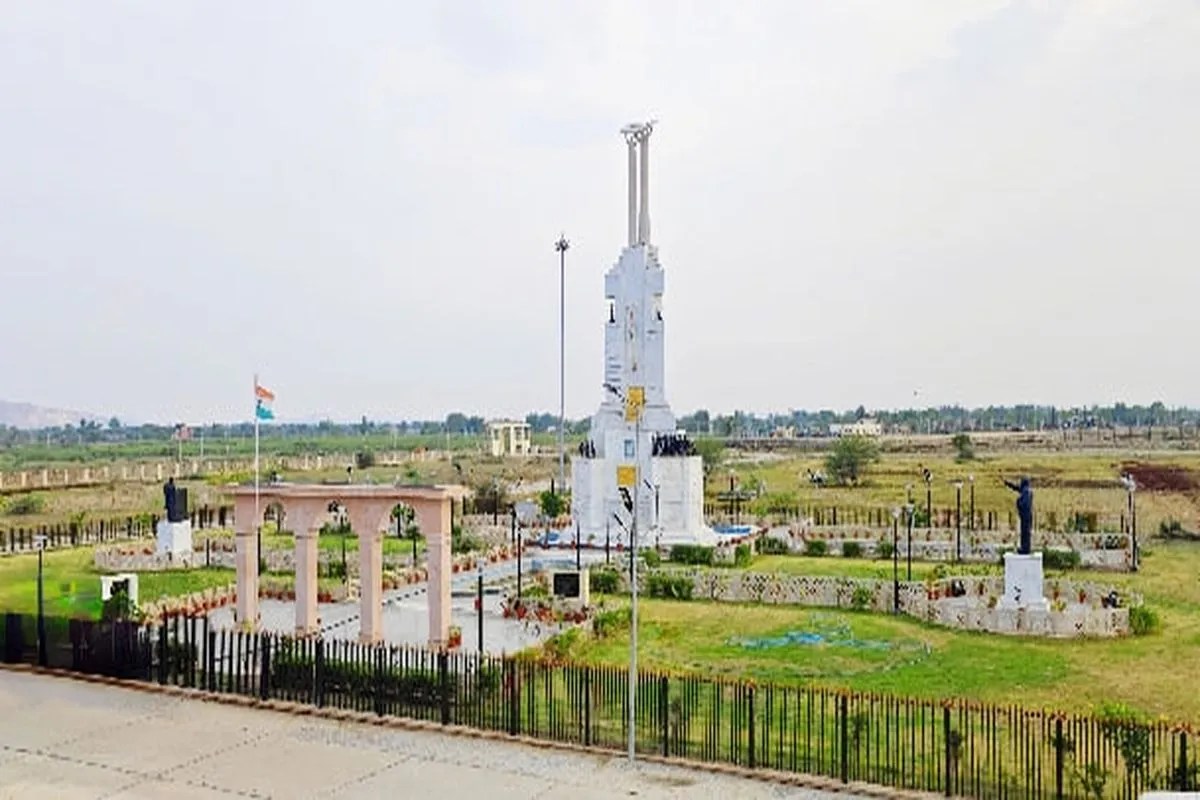
RRBMU (file photo)
Rajasthan's Rajarshi Bhartrihari Matsya University in Alwar is battling a severe shortage of permanent academic and non-academic staff, with limited personnel forced to manage examinations, practical tests, results and affiliation work simultaneously. The situation has left individual staff members handling three to four responsibilities at once.
The university currently has 30 academic and 27 non-academic posts lying vacant. The shortage of permanent staff is directly affecting the day-to-day functioning of the institution, which oversees around 202 government and private colleges. These colleges rely on the university to manage examinations, practical tests, evaluation, result preparation, affiliation and other examination-related arrangements, placing constant pressure on the limited workforce available.
Every year, the university admits around 300 students to its postgraduate courses. However, with no regular teachers appointed, the university has had to depend on guest faculty to keep classes running. Sufficient permanent professors and other teaching staff are yet to be appointed.
To address the immediate shortage of academic staff, the university may consider deputing teachers from government colleges in Alwar until regular recruitment is completed. Increasing the number of personnel in non-academic posts could similarly ease the burden on examination and administrative work. The university has not yet framed its own rules and regulations, and is currently relying on the rules and procedures followed by Rajasthan University.
The examination and results period is the most challenging time for the university. Conducting examinations and declaring results for more than 35,000 students across over 200 colleges requires considerable effort. The staff shortage means existing personnel are burdened with additional responsibilities, and even a minor lapse could affect students' results or the examination process.
The university was established to create a stronger institutional framework for higher education in Alwar and the surrounding region. However, in the absence of adequate permanent staff, it continues to rely on temporary arrangements at several levels. There is now a pressing need to complete the regular recruitment process for vacant posts and provide the university with academic and non-academic human resources in line with its workload.