7 October 2026,
Wednesday

7 October 2026,
Wednesday
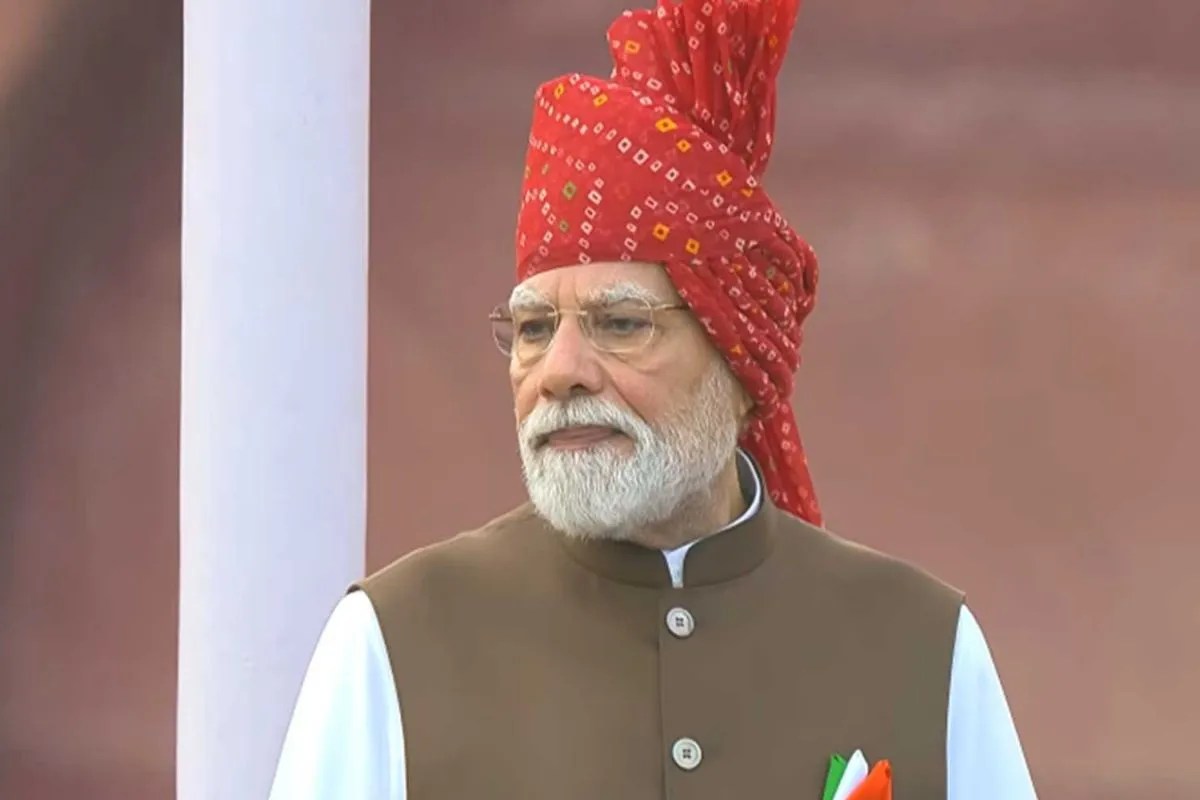
PM Modi highlighted the growing era of AI and data centres, along with the challenge of electricity and water. (Photo source: ANI)
Speaking from the ramparts of the Red Fort on Independence Day, Prime Minister Narendra Modi presented a bold vision of India's technological future, declaring that the coming era belongs to artificial intelligence (AI), computer chips and large-scale data centres. With an eye on preparing the country's young population for this new tech revolution, the government aims to provide specialised AI training to nearly one crore youths.
However, the Prime Minister also drew attention to a serious ground-level challenge accompanying this ambition. He said that running these high-tech systems round the clock would require enormous quantities of electricity and energy, without which the dream of a new "Digital India" would be impossible to realise.
According to government figures, India's data centre capacity has grown more than fourfold since 2020. Following major tech hubs such as Mumbai, Delhi-NCR and Bengaluru, states including Madhya Pradesh, Chhattisgarh and West Bengal are now rapidly preparing to set up their own data centres.
While the country pushes to become a tech superpower, ordinary citizens are growing anxious about their basic needs. Following the pattern seen in the United States and Europe, local protests against massive data centres have now begun in Indian cities as well.
In Thane, Maharashtra, local residents are openly opposing Amazon's data centre project. Residents say their city already faces an acute drinking water shortage and depends on water tankers to get by. They fear that building data centres, which consume huge quantities of water and electricity, in the middle of residential areas would only deepen their difficulties.
A similar situation is unfolding in Visakhapatnam (Vizag), Andhra Pradesh, where civic groups and environmentalists are opposing a proposed large-scale AI data centre complex by Google and the Adani Group. Locals fear the massive project could severely harm the region's forests, wildlife sanctuaries and already stressed water sources.
The situation raises a larger question for the country: can India balance its basic needs of water and electricity while pushing ahead in this digital era?