20 June 2026,
Saturday
20 June 2026,
Saturday
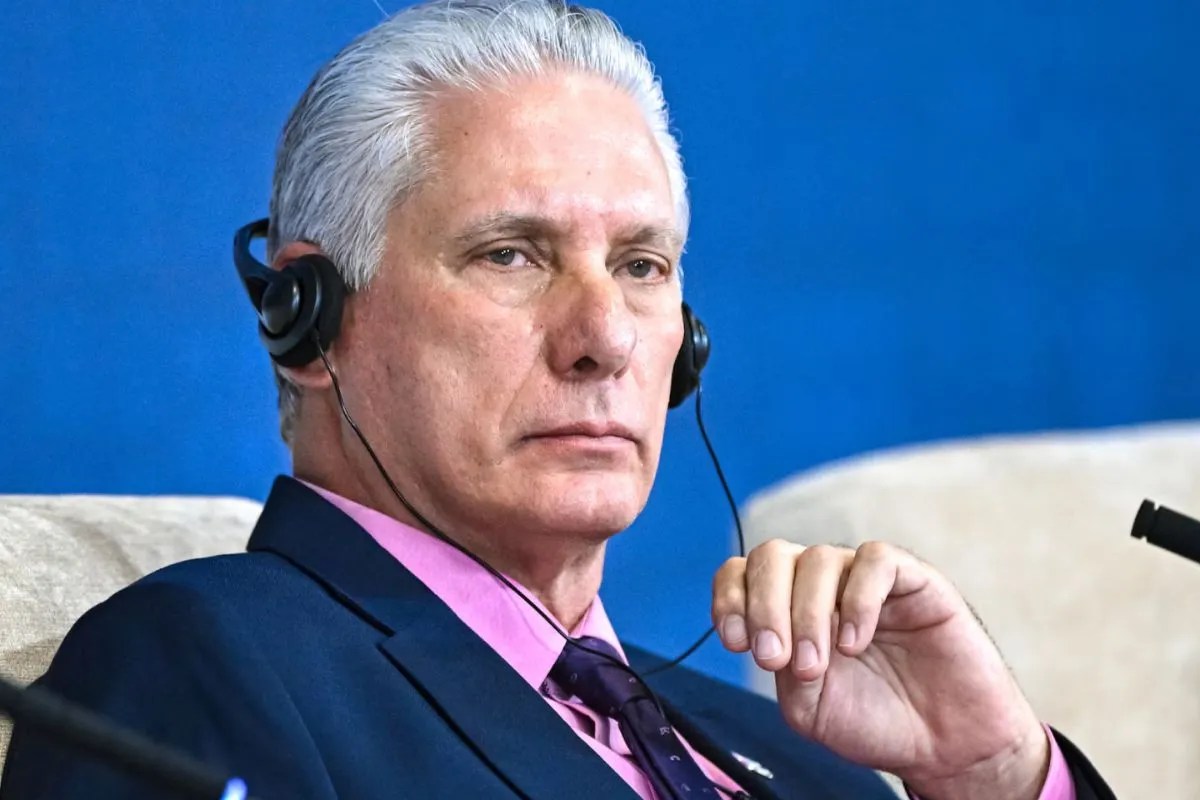
Cuba Opens Doors to the Market (Photo: ANI)
For nearly seven decades, Cuba has been one of the last bastions of communist economic orthodoxy — a Caribbean island where the state dictates what is produced, who produces it, and at what price. That era may now be drawing to a close. In a landmark session of the National Assembly on Thursday, Prime Minister Manuel Marrero unveiled 176 free-market reforms that economists are calling the most profound transformation of the Cuban economy since Fidel Castro's 1959 revolution.
A Package Born of Crisis
The reforms did not arrive in a vacuum. Cuba is in the grip of a severe economic crisis, worsened by a tightened American embargo and, since January 2026, a Trump-imposed naval blockade on fuel deliveries — a consequence of the US ouster of Cuba's Venezuelan ally, Nicolás Maduro. With oil supplies cut off, the island has suffered repeated blackouts and bare shelves. President Miguel Díaz-Canel was notably candid, acknowledging that the crisis could not be blamed on external pressure alone. He pointed to "slowness, bureaucracy and norms that impede those who want to produce" and declared: "The situation calls for urgent and necessary changes."
What the Reforms Mean
For the first time, large private companies employing more than 100 workers will be authorised to operate. Cubans may own stakes in multiple companies simultaneously. Foreign investors will no longer be required to form joint ventures with the state, and both Cuban and foreign investors may acquire stakes directly in state-owned firms. Private banks will be authorised for the first time. Agriculture, tourism, and money markets open to private investment. Cubans abroad may invest in the island's economy. London-based economist Daniel Torralbas called it "the most profound" package of reforms since the revolution.
Six Decades of US Pressure
America has maintained a trade embargo against Cuba for over sixty years. Under Trump's second term, pressure has intensified sharply, with the Venezuelan fuel blockade proving particularly devastating. The US has also filed murder charges against 95-year-old former President Raúl Castro over the 1996 downing of two civilian aircraft. Trump has spoken openly about taking control of Cuba, which sits just 90 miles from Florida.
What Comes Next?
Cuba has a long history of reforms stalled by bureaucratic inertia. American sanctions continue to restrict access to international finance and global trade regardless of domestic changes. Yet the direction is unmistakable. After seventy years of near-total state control, Cuba has taken its most decisive step towards the market — whether as a managed opening to preserve communist rule, or the start of something deeper, only time will tell.
Big News
View AllNews Bulletin
Trending