23 October 2026,
Friday

23 October 2026,
Friday
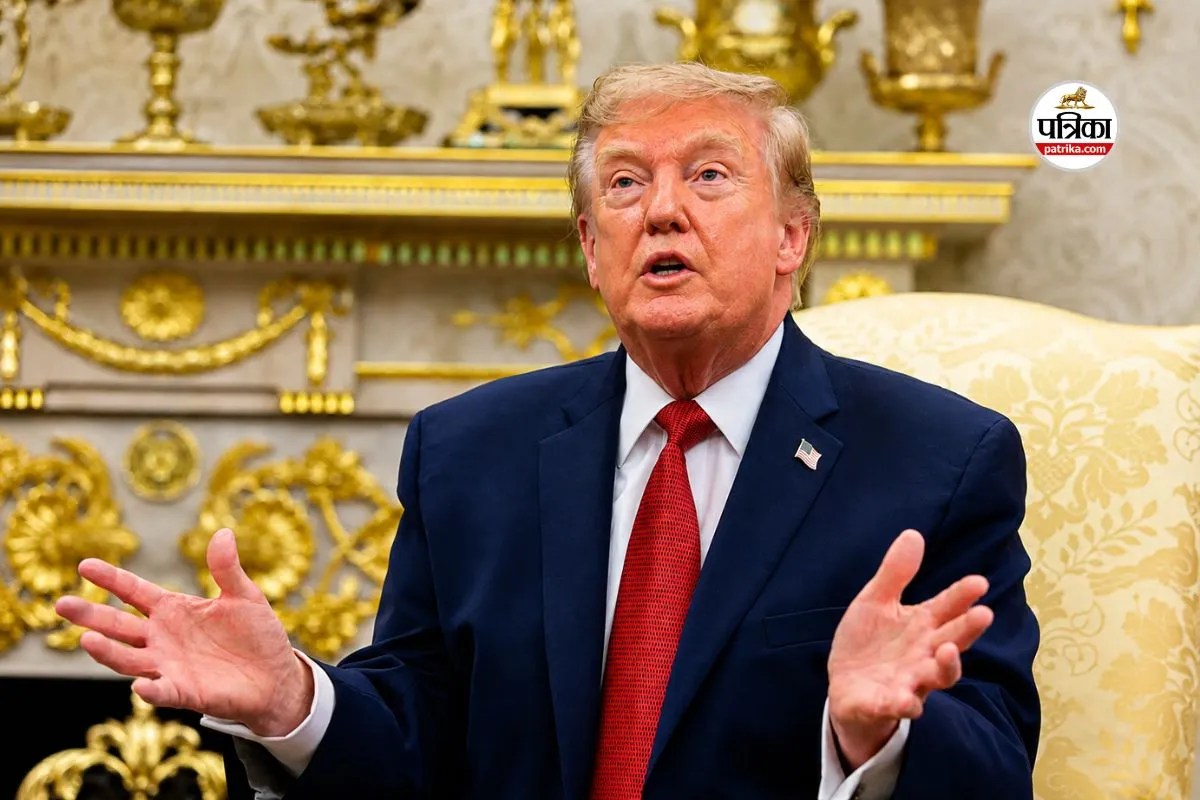
Donald Trump Iran Economic War: Trump's "Economic D-Day" against Iran, with a warning of a heavy price for nations offering help (Photo source: ANI)
US Iran Tensions: The months-long standoff between the United States and Iran is no longer confined to missiles and military action. US President Donald Trump has announced what he has called the biggest economic offensive yet against Tehran. Notably, Iran will not be the only target — any country, bank, business or institution that offers Iran economic support could also face strict American action.
President Trump announced a new and highly aggressive economic campaign against Iran on Wednesday. Calling it an "Economic D-Day," he said the United States would take unprecedented steps to economically isolate Tehran. Trump also made clear that any country providing Iran with economic assistance or trade support could face serious economic consequences as a result.
His statement specifically signals a focus on financial institutions, businesses and other economic activity that channels support to Iran. However, the detailed list of practical measures and sanctions under this campaign has not yet been made public, which means the US administration's forthcoming announcements are being seen as highly significant.
This time, the scope of the American warning appears to extend well beyond Iran's borders. Trump said that any country offering Tehran a "lifeline" of any kind would not escape US economic action. This could affect countries and companies with oil, financial, transport or other trade links to Iran.
In other words, doing business with Iran going forward may no longer be simply a commercial decision but a matter of geopolitical risk. As pressure from US sanctions mounts, foreign companies and banks may be forced to choose between remaining in the Iranian market or prioritising their interests within the American financial system.
Trump's latest remarks come at a time when efforts towards a settlement between the US and Iran have failed to reach any decisive conclusion. The 60-day timeline of the interim arrangement reached in June expired on 17th August, but no broader agreement could be reached. That arrangement had aimed to halt the conflict and resolve the dispute over Iran's nuclear programme.
Trump has not entirely closed the door on talks. He has said negotiations could resume at some point, but the central American demand remains the same: preventing Iran from acquiring nuclear weapons.
Tehran, for its part, is showing no signs of backing down under American pressure. Talks between Iran and the US remain stalled, even as separate efforts mediated by Oman continue over shipping in the Strait of Hormuz.
The strait has become the most sensitive economic flashpoint of the entire crisis. It is a vital sea route for the world's energy trade, and any disruption to shipping movement there could put direct pressure on oil supplies, shipping costs and global markets.
The success of the US strategy to raise economic pressure on Iran will depend heavily on how Tehran's major trade partners respond. China is a significant trade partner for Iran, so the impact of American sanctions is unlikely to remain limited to bilateral ties alone.
If Washington broadens the scope of new sanctions and targets companies from other countries as well, this could create fresh tension between the US and its trade partners. In that scenario, the Iran crisis could also become a major test for global trade and energy markets.