Bilaspur

Chhattisgarh: Automatic Signalling Comes Into Use on Sakti–Kharsia Rail Section; More Trains Can Be Run

The 16-km stretch has 32 new signals linked to electronic interlocking and 180 detection points. Goods trains carrying coal and steel are also to benefit.
3 min read
• •
Updated: 6 Nov 2026, 2:47 PM IST
Railway Update
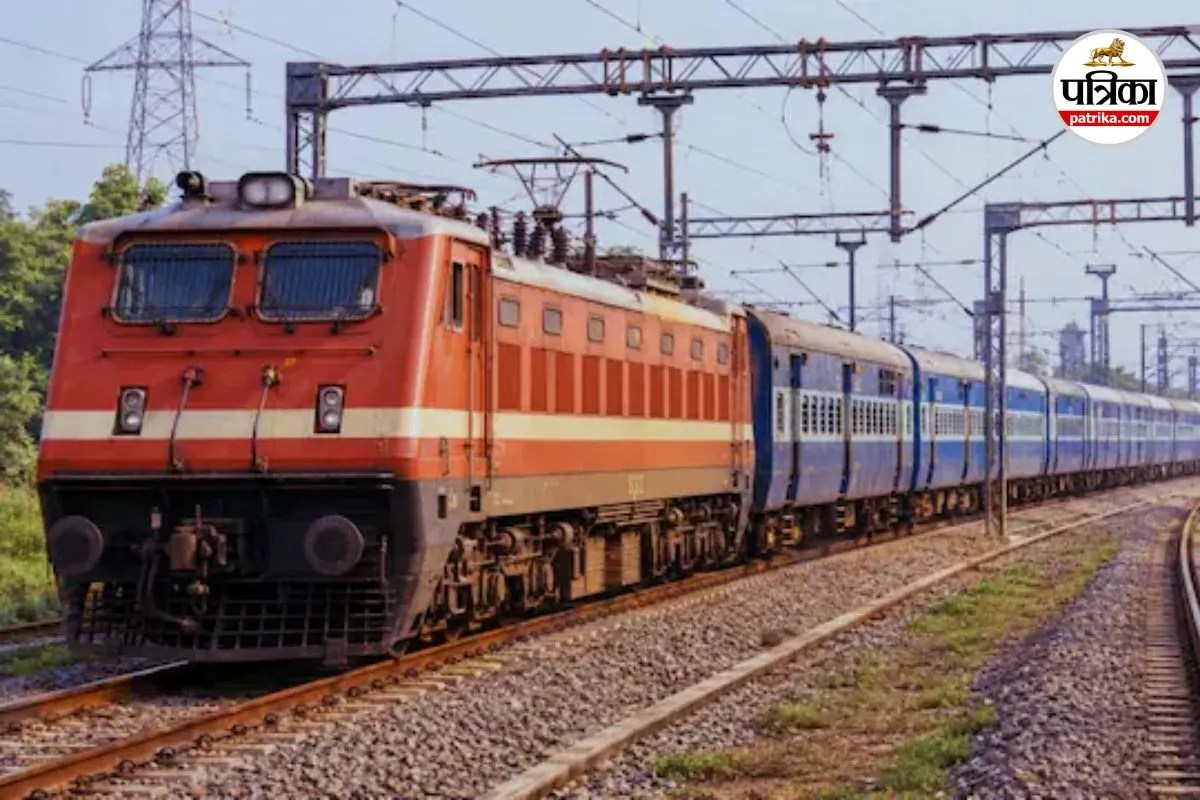
Major technical change on the Howrah–Mumbai rail route (Photo source: Patrika file photo)

Bilaspur: South East Central Railway has modernised its signalling system to improve train operations. Under the Bilaspur Railway Division, automatic signalling has been started between Sakti and Kharsia on the Howrah–Mumbai main route. The new system will increase the operating capacity of trains on the section and make it easier to run more trains.

The benefit will be seen in goods train operations as well as passenger trains. Notably, 32 new automatic signals have been installed across the section. Modern electronic interlocking and several other technical facilities have also been added. The railways believe this will make train operations safer, smoother and more punctual than before.

New Signalling System Starts on Sakti–Kharsia Section

The Bilaspur Railway Division of South East Central Railway has successfully started the automatic signalling system on the Sakti–Jharadih–Kharsia section. The section is part of the Bilaspur–Jharsuguda section of the Howrah–Mumbai main route. It is 16 route kilometres long and has four lines, with a total length equal to 32 kilometres of double line. The new signalling system has been implemented across this entire stretch. This will help the railways control train movement better.

32 New Signals and Modern Electronic Interlocking

Under the project, 32 new automatic signals have been installed on the section. All of them are linked to a modern electronic interlocking system. Electronic interlocking is computer-based technology through which signals are operated. It is considered faster, more reliable and safer than the traditional system. It will allow better control of signalling during train operations.

180 Detection Points to Give Accurate Train Information

The new system also has 180 detection points of multi-section digital axle counters. They will help detect the presence of a train on the track. The technology will help provide information on the position of trains in different sections. This will help make the signalling system more effective and maintain safety during operations.

Special Arrangements for Power and Equipment Safety

To keep the automatic signalling system running continuously, the railways have also put in place a modern power supply arrangement. An integrated power supply system has been installed in the auto huts so that signalling equipment gets uninterrupted power. Modern earthing has also been done as per the latest technical advice of the Research Designs and Standards Organisation (RDSO).

The aim is to protect the equipment from lightning and electrical disturbances. Earth leakage detectors have also been installed to continuously monitor signalling and quad cables. The new system also includes facilities such as a datalogger, automatic fuse changeover and a fire alarm. These will make monitoring and maintenance of the equipment easier.

What Will Passengers Gain?

The biggest benefit of starting automatic signalling will be higher train operating capacity. The new system will allow better control of train movement. The main benefits are:

  • More trains: With the section's line capacity rising, it will be possible to run more trains. This could also make way for running new trains in future.
  • Better punctuality: It will help avoid unnecessary stoppage of trains. This may make operations smoother.
  • Greater safety: Modern electronic interlocking and digital technology will strengthen the safety of train operations.
  • Boost for goods trains: Goods related to the coal, steel, cement and power industries are transported on this route. The new system will help make the movement of goods trains smoother too.

Important Step Towards Modernising Railway Network

South East Central Railway is continuously working to modernise its rail network. The start of automatic signalling on the Sakti–Jharadih–Kharsia section is part of this effort. It will not only help improve current train operations but also strengthen the railways' capacity to meet future traffic needs. The use of such modern technology on a busy route like Howrah–Mumbai is considered important.

Updated on:
6 Nov 2026, 2:47 PM IST
Published on: