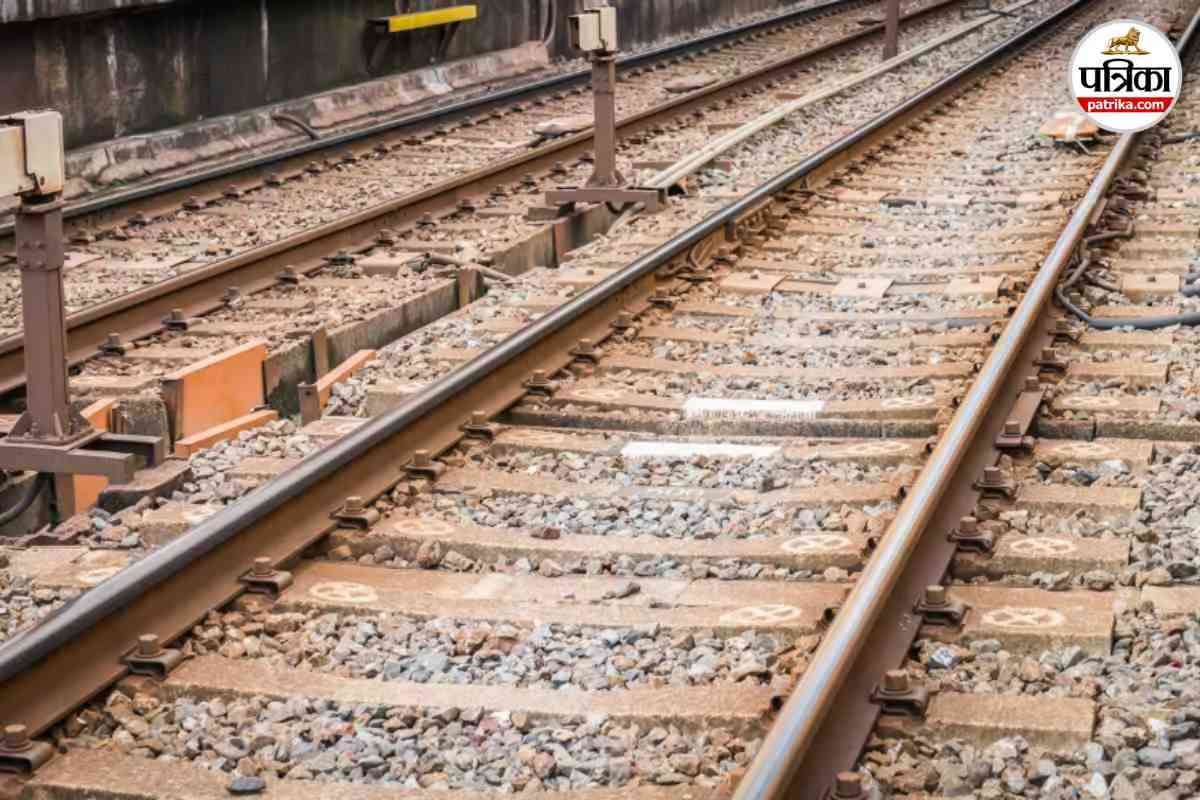
Work on the new Indore-Khandwa broad-gauge rail line project in Madhya Pradesh is progressing steadily. Railway officials have begun track marking in the Choral area, while earthwork in other sections is nearing completion, paving the way for track-laying to begin. According to officials, work is being carried out simultaneously across different sections to ensure the project stays on schedule.
In the Choral area, ground marking is underway at locations where the new line will pass, alongside efforts to clear obstacles along the route. Survey and demarcation teams are working continuously to ensure track-laying proceeds without hindrance. Meanwhile, earthwork near Moratakka and surrounding areas is nearly complete, with preparations for laying tracks there entering their final stage.
The construction agency has begun delivering ballast required for the tracks. A layer of ballast will first be laid to form the blanket, followed by the installation of sleepers and rails. However, tunnel construction in the Patalpani stretch has not yet started. The company awarded this work is currently occupied with building a tunnel for the Indore-Tihi line, and officials say the same agency will begin work on the railway tunnel once that project is complete.
The forest department is also working to provide the land required for the railway project. At locations where trees are obstructing construction, felling is being prepared for in accordance with regulations, so that railway construction can proceed without interruption. Officials say the pace of work has been increased across various sections, and track-laying will become visibly evident across several parts of the project in the coming months, marking significant progress towards completing the Indore-Khandwa rail line on schedule.
The Indore-Khandwa gauge conversion project is considered significant for rail connectivity in the Malwa and Nimar regions. Once complete, it will make rail connectivity from Indore to Khandwa, and onward to other parts of the country, faster and smoother. To avoid disrupting wildlife movement, tunnels and special bridges will be built at several locations, allowing animals to move safely between areas. The forest department's other environmental conditions will also be complied with.