UP News

Cold Wave and Heart Attacks: Hospitals Face Surge as Severe Cold Impacts Cardiac Patients

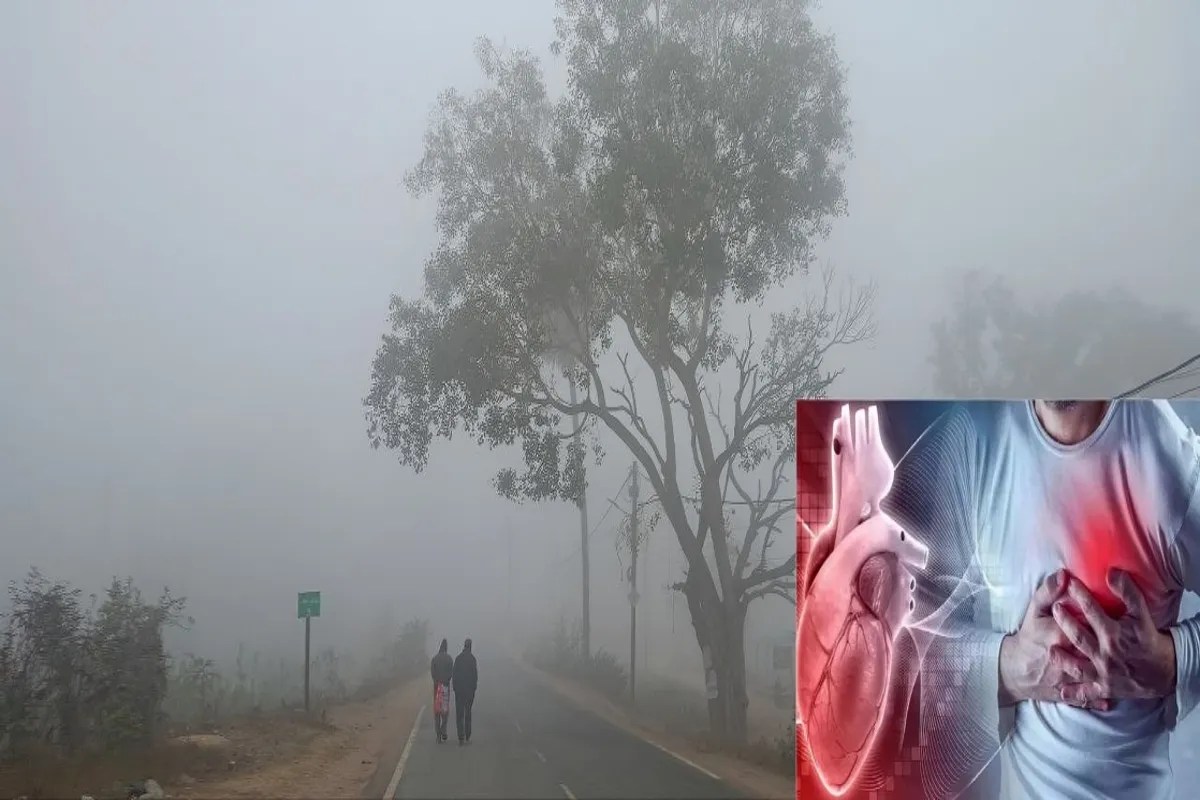
Cold Wave Heart Attack: The impact of severe cold and cold waves is now taking a heavy toll on heart patients. The number of patients reaching hospitals in the capital Lucknow and across the state with complaints of heart attack and chest pain has increased rapidly. According to doctors, there has been an increase of about 30 percent among heart patients.

undefined
Dec 29, 2025
Lucknow and across the state, cold turns deadly

Cold Wave Triggers Surge in Heart Attack Cases: The severe cold and cold wave in Uttar Pradesh is now directly impacting people's health. This weather is proving extremely dangerous, especially for heart patients. A worrying increase has been recorded in the number of patients arriving at hospitals with complaints of heart attack and chest pain in many districts of the state, including the capital Lucknow. According to doctors, the number of heart patients has increased by about 30 percent in the past few days.

Crowd of Patients Increases at KGMU and Lohia

Cases of heart-related emergencies are continuously rising at major government hospitals in Lucknow, King George's Medical University (KGMU) and Dr. Ram Manohar Lohia Institute of Medical Sciences. According to hospital administration, a large number of patients are reaching the emergency daily with complaints such as severe chest pain, difficulty in breathing, palpitations, and sweating. A senior physician from the Cardiology department at KGMU explains that blood vessels constrict in cold weather, which increases blood pressure and puts extra pressure on the heart. This is the reason why the risk of heart attack increases manifold during the winter season.

Why Does the Risk of Heart Attack Increase in Winters?

According to experts, the heart has to work harder in cold weather to keep the body warm. Cold winds slow down blood circulation and cause constriction in the arteries. This increases the risk of high blood pressure, cholesterol blockages, and irregular heartbeats. Additionally, people reduce their physical activities in winter, consume more oily and heavy food, and also get less exposure to sunlight. All these factors further increase the risk for heart patients.

Elderly and Pre-existing Patients More Affected

Doctors state that the elderly, and individuals with high blood pressure, diabetes, obesity, and pre-existing heart conditions are at the highest risk during this season. Sudden cold showers early in the morning, going out without warm clothes, or staying in the cold for too long can invite a heart attack. According to a cardiologist at Lohia Institute, many patients are also coming in who did not have any serious heart condition previously, but suddenly faced chest pain and a heart attack-like situation due to the cold.

Increased Pressure on Emergency Services

The increase in the number of heart patients is also putting additional pressure on the emergency services of hospitals. The cardiac ICUs and cath labs at KGMU and Lohia are almost completely occupied. Doctors and nursing staff are working in continuous shifts to ensure patients receive timely treatment. The hospital administration has also appealed to the public not to ignore mild symptoms and to immediately reach the nearest hospital if they experience chest pain, shortness of breath, dizziness, or uneasiness.

Doctors' Advice: How to Take Care of Your Heart

  • Experts have suggested some essential precautions to keep the heart healthy during the cold season:
  • Wear adequate warm clothing to protect yourself from the cold.
  • Avoid walking in the extreme cold early in the morning.
  • Get regular check-ups for high blood pressure and sugar.
  • Stay away from smoking and alcohol.
  • Eat a light and balanced diet.
  • Take prescribed medications regularly as advised by your doctor.

Government and Health Department Alert

The state government and the health department are also alert about the increasing cases. Instructions have been given to major hospitals to strengthen emergency services and ensure adequate staff availability. Furthermore, preparations are underway to launch campaigns to make the general public aware of protection from the cold and the symptoms of heart disease.

Also Read
View All

Next Story