29 May 2026,
Friday

29 May 2026,
Friday
Rajasthan Master Plan Update
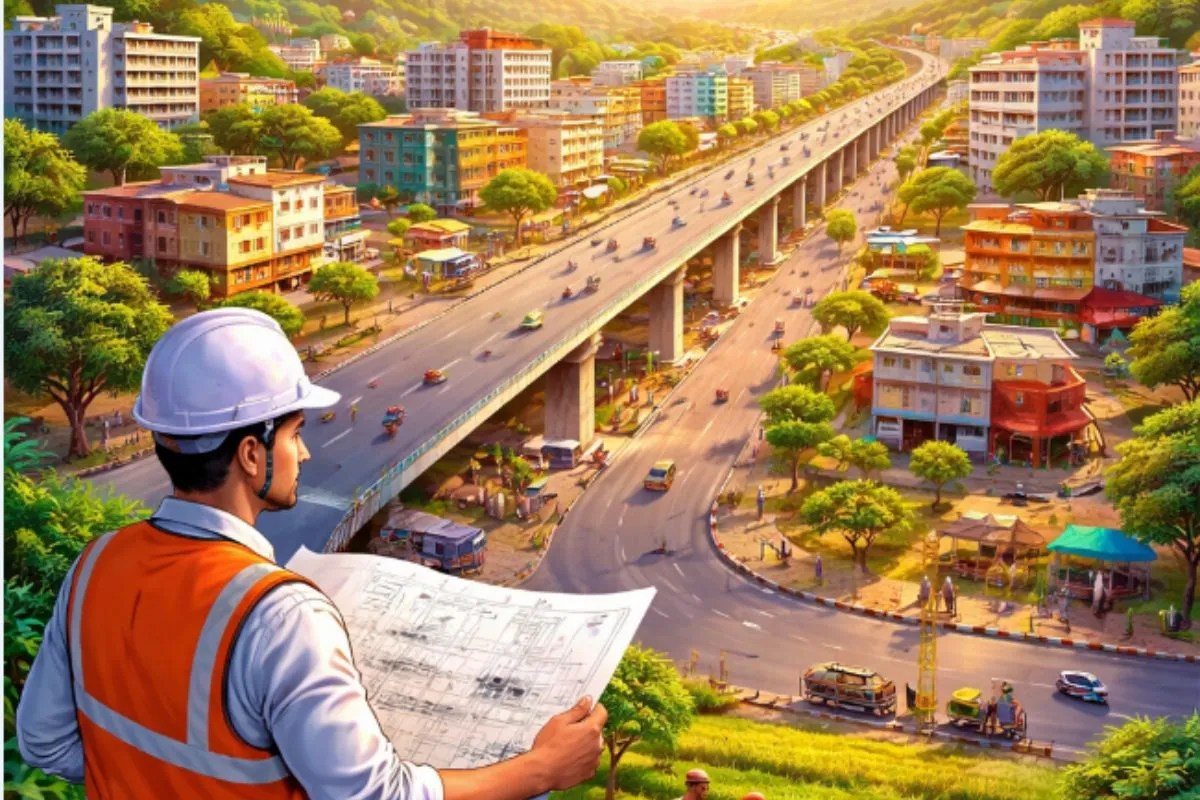
Alwar: The Bhajan Lal government is now going to undertake planned development in towns and cities with a population of 50,000. Master plans will be created for these cities. This development plan, spanning the next 30 years, will improve the landscape of these towns and cities. The public will benefit from unplanned development being curbed. Development schemes will be better implemented on the ground. This will include a dozen towns such as Malakhera, Barodamev, Kherli, Kishangarhbas, and Khairthal. Work on the master plans for some towns has already begun at the DTP office in Alwar.
Until now, it was mandatory to create a master plan for cities with a population of one lakh or more. However, under the AMRUT 2.0 scheme, GIS-based master plans will now be prepared for Class II cities with populations ranging from 50,000 to 99,999. This development will be based on a 20 to 30-year roadmap, ensuring planned development of the city, including residential, commercial, and infrastructure planning. These will be modern master plans, created with GIS mapping to ensure systematic development.
Builders construct colonies and apartments in arbitrary locations, which spoils the map of the entire town and city. The public also invests in these due to cheaper land. In such a scenario, further development will only be possible according to the land reserved in the master plan. This means that with land use reserved, other activities cannot take place in that area.
- Systematic and planned development prevents uncontrolled sprawl. It stops development from becoming directionless and determines residential, commercial, and industrial areas in a planned manner.
- Proper land use determination will occur. It will be clear which land will be used for what purpose (homes, parks, shops, schools), eliminating uncertainty in land use.
- Better infrastructure and civic amenities will be available. Future needs such as roads, electricity, water, sewerage, health services, and education facilities can be pre-planned according to population growth.
- Traffic will improve. A network of roads, public transport, and parking plans will be part of the master plan to reduce traffic jams.
- A better living environment for the public will be developed. Green areas and parks will be created. Provisions for open spaces, parks, and green belts will be made, reducing pollution in the city.
- Safe housing will be built. Basic facilities like water drainage and waste management will be available in residential areas.
- Economic development will occur, and investor confidence will increase. Master plans provide confidence to developers and investors, leading to increased industrial and commercial activities.
- Employment opportunities will be created. Planned industrial and mixed-use areas will generate local employment opportunities in the city.
- There will be security for home buyers. Home buyers or land purchasers can easily see what construction can take place in which area, helping them avoid investing in illegal constructions or wrong properties.
- The master plan will include special regulations for the conservation of rivers, lakes, forest areas, and heritage sites.
The creation of master plans for small towns will directly benefit the public. The planning of small towns in the district will lead to rapid expansion of the city. Investors will increase. A comprehensive roadmap for planned and sustainable development will emerge. Safe housing will be available. The public will be able to know everything about land use.
- Pramod Sharma, Retired XEN, UIT Alwar
Big News
View AllAlwar
Rajasthan
Trending