8 October 2026,
Thursday

8 October 2026,
Thursday
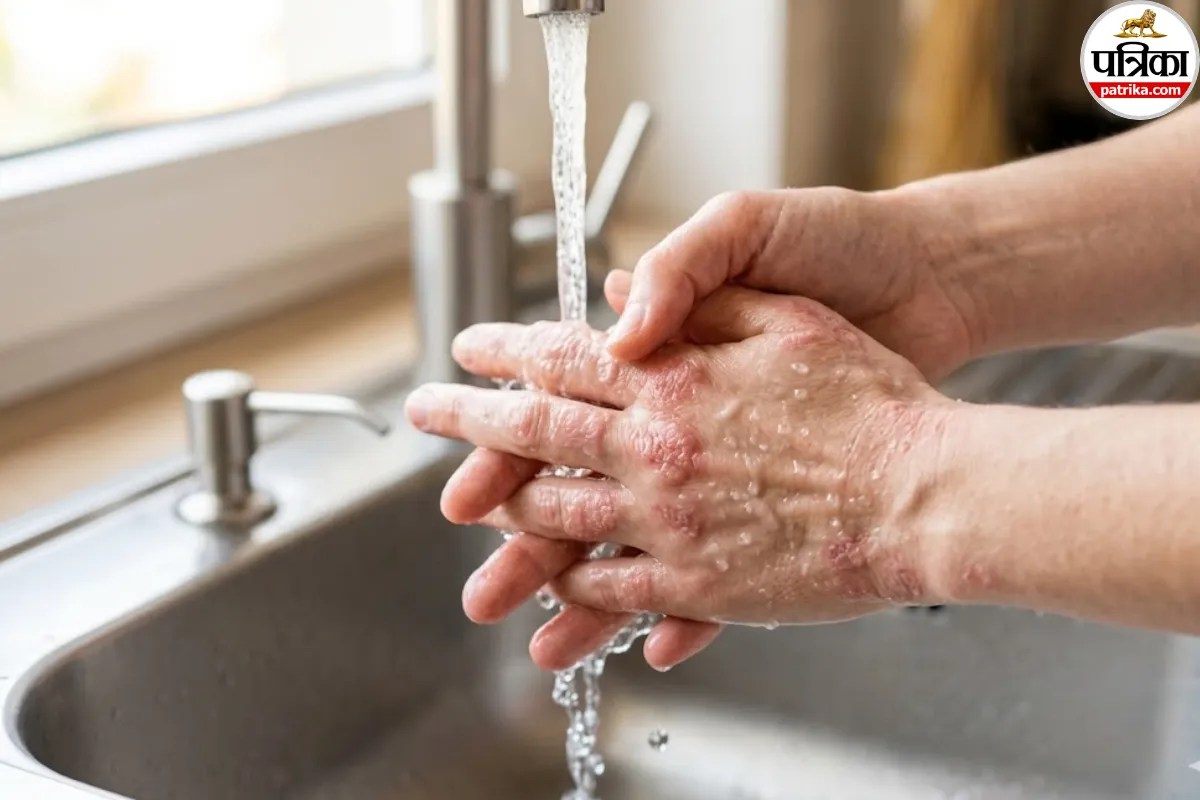
Water Allergy: When we hear the word 'allergy', we usually think of skin or nasal allergies. But have you ever heard of 'water allergy'? Recently, the story of a girl has come to light, for whom raindrops, sweat, and even her own tears act like acid.
Initially, doctors mistook it for a common skin infection and prescribed standard allergy medications. However, medical reports revealed a truth that stunned the medical science community. Fewer than 100 cases of this condition have been recorded worldwide, leaving everyone astonished. Let's find out what 'Aquagenic Urticaria' is, its causes, symptoms, and preventive measures.
According to the National Library of Medicine, it is one of the rarest diseases in the world. In this condition, red, raised bumps or hives appear on the skin within minutes of coming into contact with water. It causes unbearable itching and burning. The most surprising aspect is that it is not dependent on the water temperature; rather, the composition of the water itself becomes an allergen for the body.
Disclaimer: The information provided in this article is intended solely to raise awareness about diseases and health-related issues. It is not a substitute for qualified medical opinion. Therefore, readers are advised not to try any medication, treatment, or remedy on their own but to consult an expert or doctor related to that medical field for advice.