2 April 2026,
Thursday


2 April 2026,
Thursday
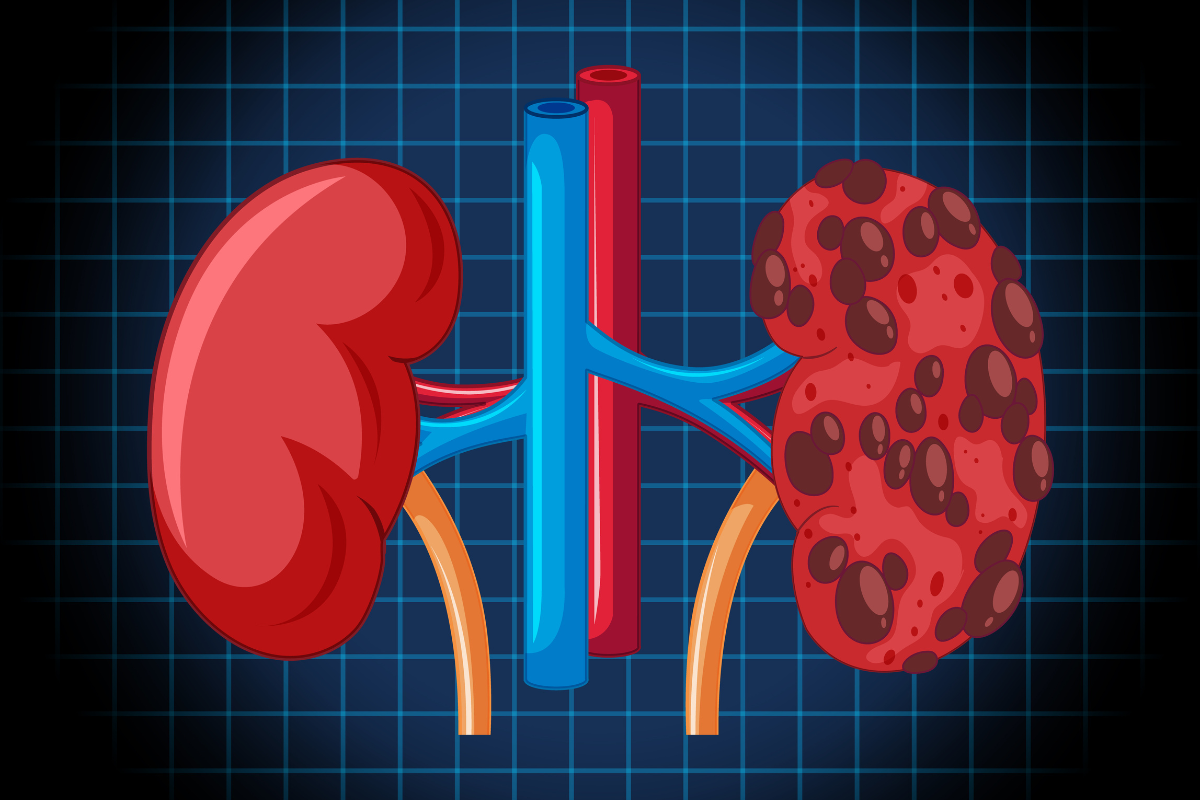
Winter Kidney Health (Image: Freepik)
In winter, we focus entirely on keeping our bodies warm with warm clothes, tea, coffee, and blankets, but often neglect the health of our kidneys. Yet, the kidneys are the hardworking machines of our body, silently purifying blood, maintaining water balance, and expelling waste products. During the cold season, these very kidneys come under various kinds of stress.
In winter, people generally drink less water, spend more time indoors, and reduce physical activity. This can lead to dehydration. With less water intake, urine output also decreases, increasing the risk of Urinary Tract Infections (UTI).
According to Mumbai-based nephrologist Dr. Aditya Nayak, the immune system also becomes somewhat sluggish in winter. This reduces the body's ability to fight bacteria and viruses. This can be particularly dangerous for individuals with pre-existing kidney conditions or those over 65 years of age.
UTIs and lung infections (pneumonia) are more common in winter. If a UTI is not treated promptly, the infection can spread to the kidneys, causing severe pain, fever, and even kidney damage. Several studies indicate an increase in cases of Acute Kidney Injury (AKI) during winter, a condition where kidney function suddenly declines. In cold weather, the body's blood vessels constrict, which can reduce blood flow to the kidneys. This forces the kidneys to work harder to purify the blood.
Dr. Aditya Nayak offers some essential advice:
Big News
View AllHealth
Trending
Lifestyle