4 September 2026,
Friday

4 September 2026,
Friday
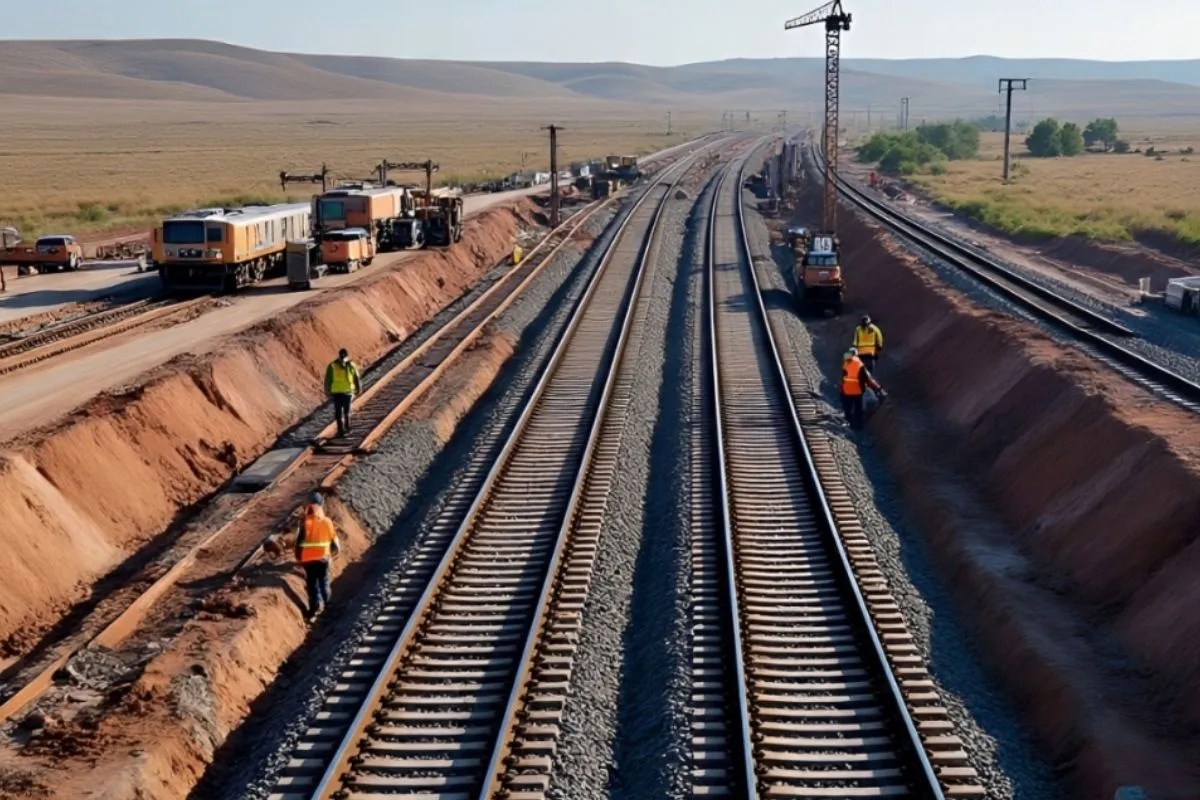
Jodhpur/Bilara: The long-pending extension of the railway line, which reached Bilara from Jodhpur nearly 115 years ago, has now moved a step closer to becoming a reality, with plans to extend it up to Ras. Following a survey, a Detailed Project Report (DPR) has been prepared and submitted to the Ministry of Railways.
Under the proposed project, estimated to cost around Rs 850 crore, a new broad-gauge railway line will be laid from Bilara to Ras via Jaitaran. The planned route will connect Bilara with Jaitaran, Nimbol and Tookra before reaching Ras, which is already linked to the Beawar railway line. The process of land acquisition for the project has also commenced, and it is now awaiting financial approval.
According to the Chief Public Relations Officer of North Western Railway, passengers currently have to travel about 191 kilometres from Beawar to Jodhpur via Marwar Junction. With the new route, this distance will be reduced to approximately 133 kilometres—cutting nearly 58 kilometres and saving around an hour of travel time. The rail line is considered significant from both industrial and strategic perspectives.
The extension of this railway line is expected to give a fresh impetus to development in the region. Notably, the rail route has a long history. In 1905, approval was granted for a narrow-gauge line to connect Pipar Road with Bilara.
It was later converted to metre gauge and subsequently dismantled in 1997. In 2008, it was redeveloped as a broad-gauge line. Now, after 115 years, a significant step has been taken towards extending this railway section further.
Divisional Railway Manager Anurag Tripathi, in a report sent to the Ministry of Railways, stated that the project would prove important for both regional and national development. He noted that the area has a strong presence of industries such as limestone, granite, china clay and cement, all of which would directly benefit from improved rail connectivity.
He also highlighted that the shorter route would be strategically important. The demand for extending this railway line had been raised by public representatives for a long time, and the project has now gained momentum.