13 October 2026,
Tuesday

13 October 2026,
Tuesday
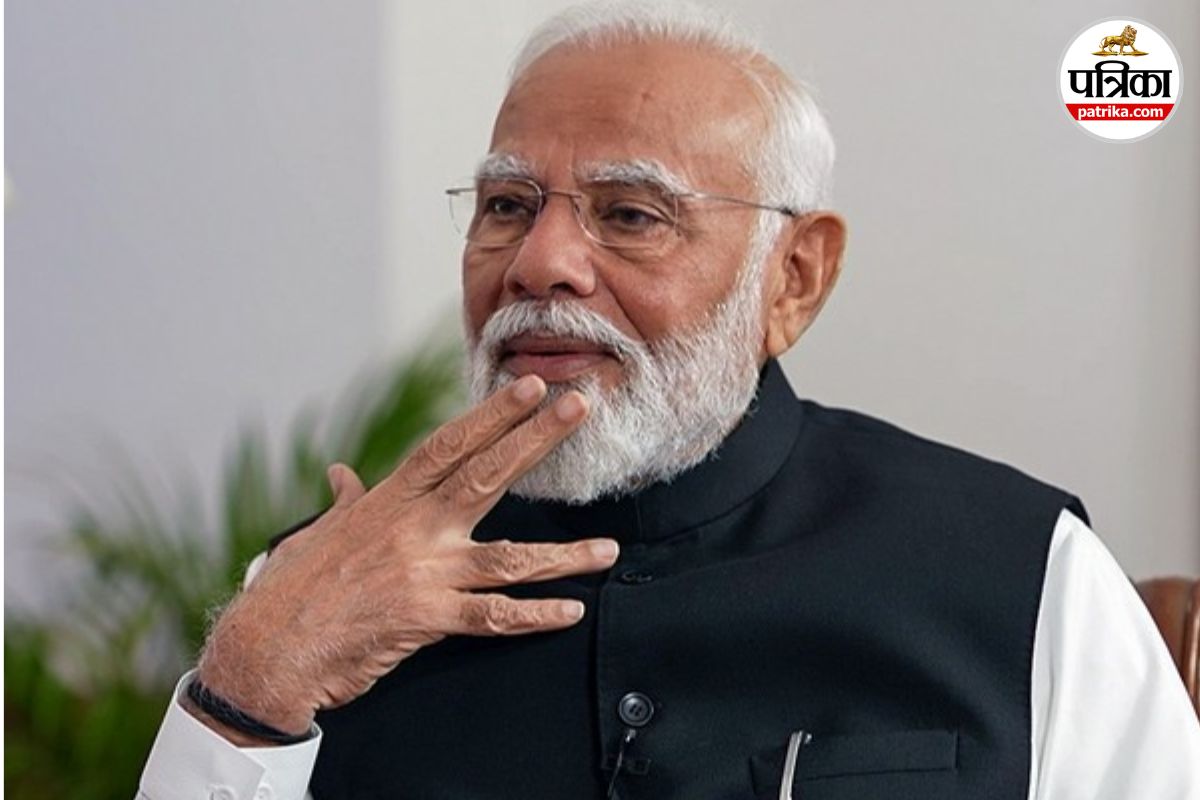
Rising tensions in West Asia have deepened global concerns. The confrontation between Iran and the United States poses a threat to energy supply and regional stability. Amidst this, Prime Minister Narendra Modi (PM Modi) has engaged with leaders of Qatar, Jordan, France, Oman, and Malaysia, emphasizing the restoration of peace and strongly condemning attacks on energy infrastructure.
In his discussions with the Amir of Qatar, Sheikh Tamim bin Hamad Al Thani, and the King of Jordan, Abdullah II, the Prime Minister made it clear that India considers attacks on energy infrastructure unacceptable. He stated that such attacks not only increase regional instability but also affect the global market. India has stressed the need for safe and unimpeded maritime passage through the Strait of Hormuz, a crucial route for the world's energy supply.
In conversations with French President Emmanuel Macron and the Sultan of Oman, Haitham bin Tarik, the Prime Minister highlighted the need to prioritise dialogue and diplomacy to de-escalate tensions. He said that all countries should work together to maintain peace and stability. Appreciating Oman's role, he noted that ensuring the safe return of people during a crisis is important from a humanitarian perspective.
In a discussion with Malaysian Prime Minister Anwar Ibrahim, deep concern was also expressed over the situation in West Asia. Both countries agreed that urgent steps are necessary to de-escalate tensions. Iran's increasing attacks on oil and gas facilities and Israel's retaliatory actions have further aggravated the situation, potentially increasing pressure on the global energy market.
In this entire development, India has played a balanced and responsible role, prioritising peace, dialogue, and international cooperation. Experts believe that India's diplomatic initiative can contribute positively to regional stability and prove helpful in ensuring global energy security.