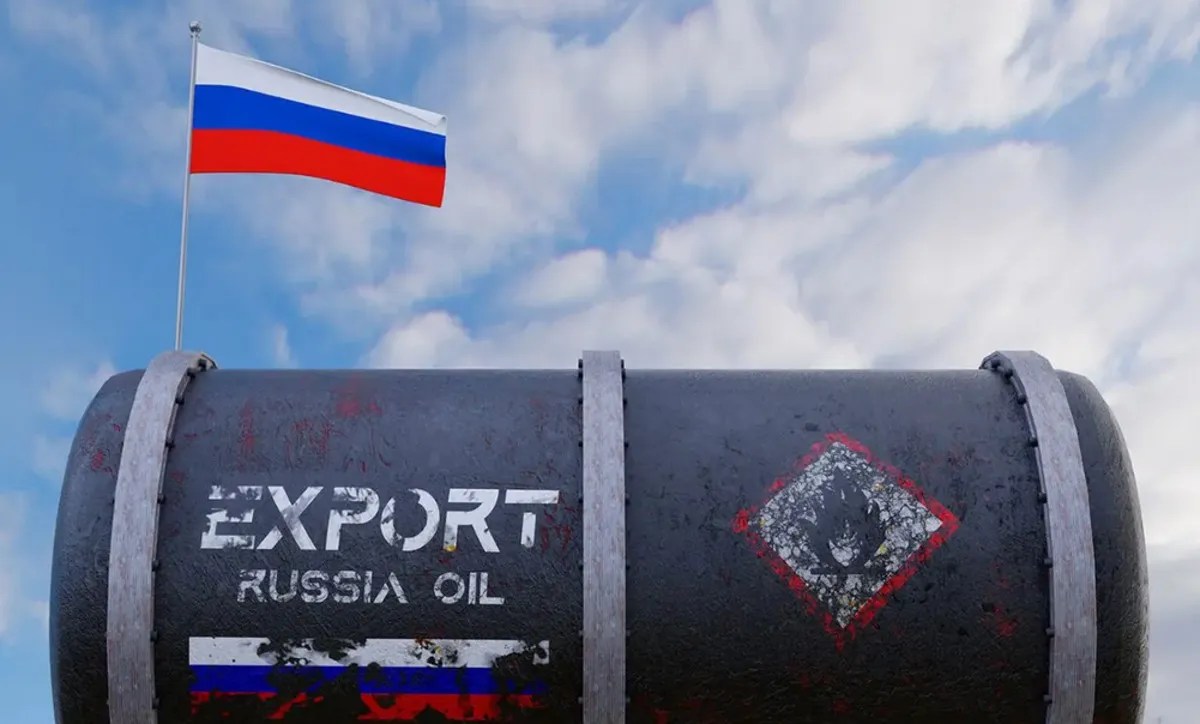
Crude Oil Prices Today: After giving the US permission to buy Russian oil, other countries have now also been given exemptions.
Amidst rising tensions in the Middle East, the United States has granted a temporary exemption to all countries for purchasing Russian oil. The ongoing 14-day conflict has had the most significant impact on the global energy market, with crude oil prices soaring to $120 per barrel.
In light of this, the US Treasury Department has provided a 30-day exemption for all countries to purchase Russian oil, aiming to curb the escalating prices. Following this decision, the oil market has witnessed a slight decline.
This morning at 7:15 AM, Brent crude was trading at $99.99 per barrel, marking a 0.47 per cent decrease, while West Texas Intermediate (WTI) fell by 0.67 per cent to $95.09 per barrel.
US Treasury Secretary Scott Bessent tweeted that this crucial decision was made to maintain a stable global supply, considering the current state of the oil market. Under this decision, other countries can now purchase Russian oil stranded at sea. This will not provide significant financial benefit to Russia, as its primary revenue comes from taxes imposed at the point of extraction.
Previously, the US had permitted India to purchase Russian oil loaded on ships from March 5. This decision provided temporary relief to global supply concerns.
According to Bessent, the current temporary surge in oil prices is a short-term and transient hurdle. Due to Trump's pro-energy policies, oil and gas production in the US has reached record levels, which will benefit the American economy in the future.
The surge in oil prices due to the conflict puts significant pressure on the economies and stock markets of oil-importing countries. However, this time, China, the world's largest crude oil importer, appears resilient. Observing Asian markets since February 27, South Korea's market has seen a decline of approximately 10 per cent, while the Indian market has recorded a fall of 6.45 per cent. China's market, however, has experienced the lowest decline at just 0.49 per cent.
The fall in China's stock market since the conflict began is considerably less compared to other major markets. The Chinese currency, the Yuan, has also remained stable, and there has been no change in government bond yields. Experts have stated that investments in clean energy and EVs in previous years have significantly reduced China's dependence on imported fossil fuels.