Jaipur

Rajasthan Mining Crisis: 6110 Mines Shut Down; Emergency Meeting Called

A massive mining crisis hits Rajasthan with over 6,110 mines shut down. Explore how the transport sector, employment, and infrastructure are collapsing as the government calls an emergency meeting to resolve the deadlock.

2 min read
May 21, 2026
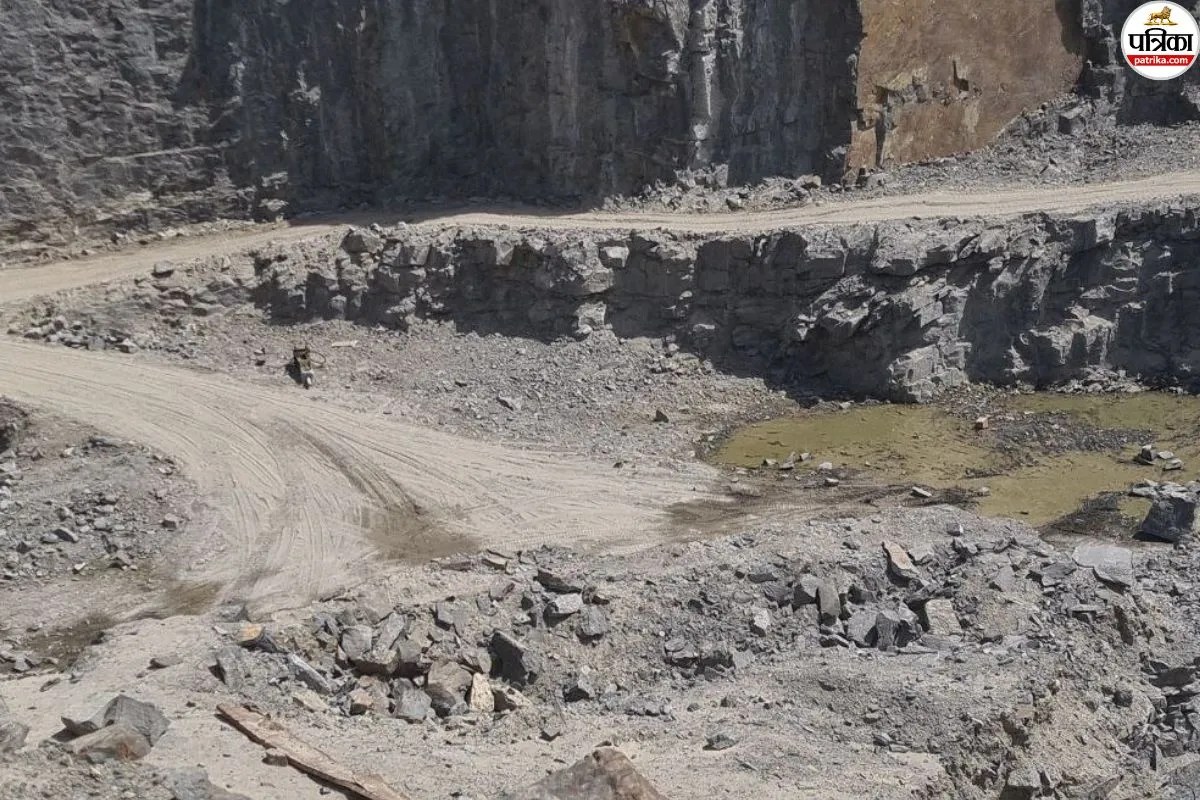
A closed mine in Bhilwara (Photo: Patrika)

Jaipur: A massive crisis has gripped Rajasthan’s mining industry. Following a series of shocking statistics gathered from across the state, the Mines Department is facing a monumental challenge to restart thousands of defunct operations.

A comprehensive review conducted by the department has identified thousands of non-operational leases across 50 mining offices and 9 SME (Small and Medium Enterprise) circles that are currently completely shut down.
According to official government reports, the total number of closed mines across the state has surpassed 6,110. This includes more than 450 mines in the Bhilwara circle alone that are currently unfit for operation. Beyond Bhilwara, the Ajmer, Jodhpur, and Jaipur circles have been hit the hardest, resulting in a severe dent in government revenue and a crippling blow to local businesses.


Why Have the Mines Ground to a Halt?
The investigation highlighted several key administrative and economic bottlenecks causing the shutdowns:
The CTO-Consent Snag: A total of 1,879 leases are out of operation solely due to pending 'Consent to Operate' (CTO) clearances. This bureaucratic deadlock affects 292 mines in Bhilwara alone.
Market Slowdown: Despite having all necessary clearances, 1,319 mines have ceased operations simply because there is no market demand for the materials.
Environmental Clearance Delays: Mining work has completely stalled in 554 cases due to pending environmental clearances, including 64 mines in Bhilwara.
The Aravalli Region Blow: The biggest setback has been recorded in the ecologically sensitive Aravalli region, where 3,890 leases have been halted, primarily due to strict environmental restrictions.


Masonry Stone and Granite Hit Hardest
Among the defunct leases, the masonry stone sector has taken the worst hit, with 2,184 leases currently suspended. Furthermore, the crisis has severely impacted quartz and granite industries—materials that are vital for both local building construction and lucrative export markets.

Employment and Transport Sectors in Jeopardy
The widespread closure of these mines is directly impacting the public and stalling state development. Tens of thousands of labourers and local residents are now facing an acute unemployment crisis.
"The transport sector tied to these mining hubs has completely collapsed, triggering a severe cash crunch in the local markets. Furthermore, as the supply of essential construction materials dries up, infrastructure and building activities across the state are grinding to a halt."

Government's New Strategy: Emergency Action Initiated
In light of this burgeoning economic crisis, the state government is scrambling to formulate a strategy to revive the defunct leases. High-ranking officials from the Mines Department recently held an emergency meeting to map out a recovery plan.

The department is now demanding detailed, district-by-district lists of all closed mines. The government aims to identify specific bureaucratic and legal hurdles for each site, looking to clear the bottlenecks and restart operations as a matter of urgency.

Also Read
View All