Famous Tamil Cinema Composer Deva Passes Away at 75
Also Read
View All 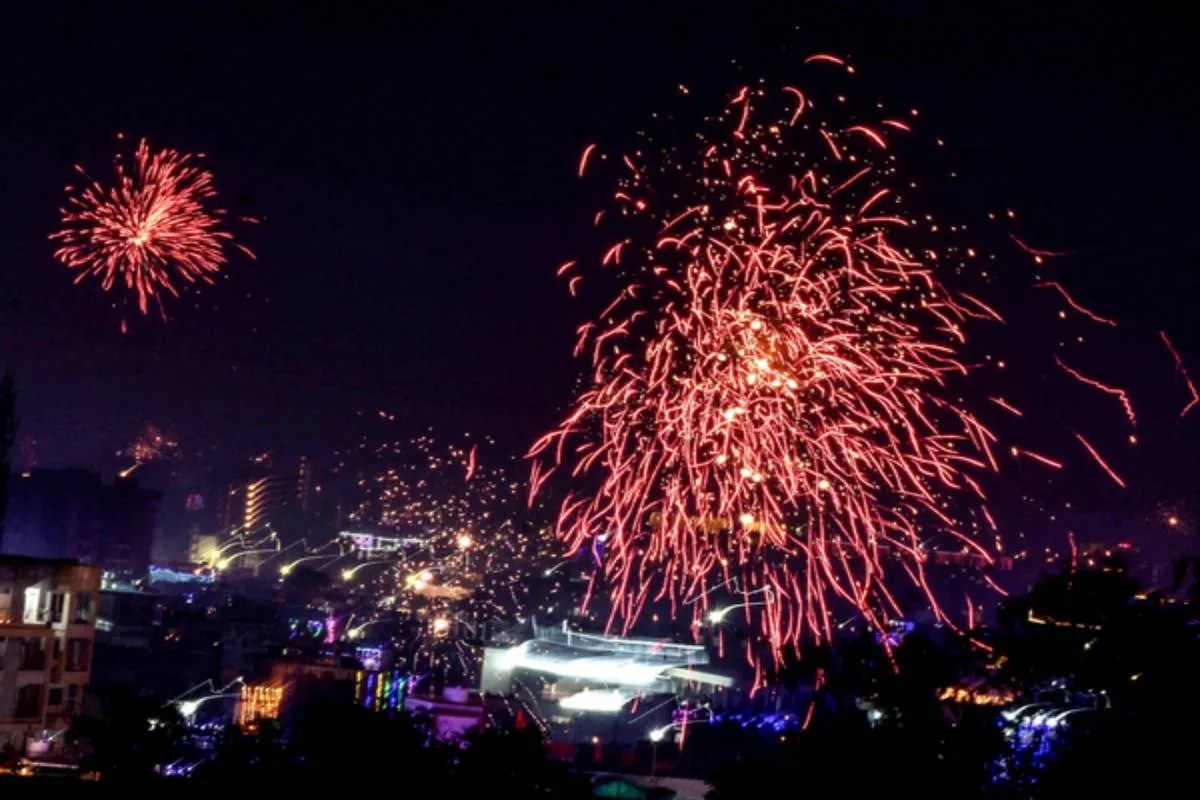
Deepavali UNESCO: India's major festival, Diwali, has now been included in UNESCO's list of Intangible Cultural Heritage. This is a historic and proud moment for India, as Diwali has now received global recognition. UNESCO itself announced this honour, which is at the forefront of preserving culture and heritage (Intangible Cultural Heritage India). UNESCO announced via tweet, "New inscription on the Intangible Heritage List: Deepavali, India. Congratulations!"
Prime Minister Narendra Modi has expressed his happiness over this announcement by UNESCO. He tweeted on "X", "For us, Deepavali is very closely linked to our culture and ethos. It is the soul of our civilisation. It personifies illumination and righteousness. The addition of Deepavali to the UNESCO Intangible Heritage List will further enhance the global popularity of this festival."
India has expressed joy and pride over the decision to include Deepavali in this prestigious list. Union Minister for Culture, Gajendra Singh Shekhawat, stated that this is a significant step that not only honours Indian culture on a global stage but also brings a great responsibility. Shekhawat said that this festival is emotionally very important for Indians and has been passed down through generations. He added that with this recognition comes the responsibility to ensure that Deepavali remains a vibrant cultural heritage.
Deepavali is one of the biggest and most beloved festivals in India. This festival is primarily celebrated by followers of Hinduism, although people from other religions also celebrate it in their own ways. Deepavali means 'row of lights' and symbolises the journey from darkness to light. On Deepavali, people clean their homes, decorate them with diyas (lamps) and candles, and exchange sweets with loved ones.
The inclusion of Deepavali in UNESCO's list is a cause for pride not only for India but also for countries around the world that celebrate this festival. In India, the festivity and joy of Deepavali are visible in every street on the day of the festival. Meanwhile, the Indian diaspora in many countries around the world also celebrates Deepavali, making it a global phenomenon. The cultural significance of Deepavali is not limited to India; it has become a symbol of brotherhood and unity among many communities worldwide.
The UNESCO Intangible Cultural Heritage list now includes not only India's Diwali festival but also honours cultural symbols from several other countries. For example, Iceland's swimming pool culture, Haiti's Compas music, and Egypt's Koshery cuisine have also been added to this list. This list recognises cultural heritage from around the world that is part of humanity's heritage and must be preserved for future generations.
India is currently focusing on the preservation of intangible cultural heritage and will host a UNESCO session in 2025 for this purpose. India's Ambassador and Permanent Representative, Vishal V. Sharma, will preside over this session. This will provide India with an opportunity to present its cultural heritage more strongly on the global stage.
In conclusion, the inclusion of Deepavali in UNESCO's Intangible Cultural Heritage list has given a new identity to India's cultural heritage. This honour not only validates the importance of Deepavali but also establishes the richness and diversity of Indian culture globally. It is now India's responsibility to preserve this heritage for future generations and maintain the tradition of celebrating it worldwide.