3 March 2026,
Tuesday


3 March 2026,
Tuesday
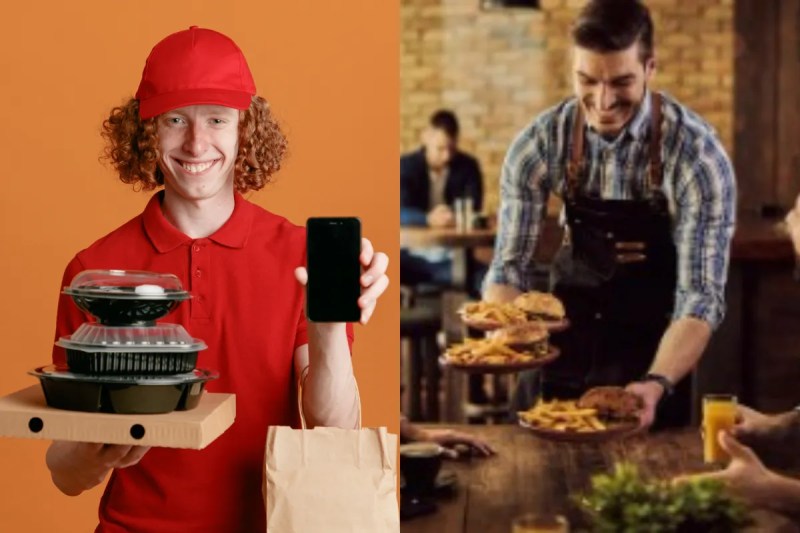
Image: Freepik
Nationwide strikes by gig workers on December 25 and December 31, 2025, have amplified the challenges faced by food delivery platforms such as Zomato and Swiggy. While the issue of workers' demands remains a hot topic, consumer dissatisfaction is now also coming to the fore. A survey by LocalCircles has revealed that 55% of consumers believe that food prices on apps are higher than those in restaurants.
Consumers complain that food delivery apps inflate prices. In the local survey, 55% of consumers stated that the food prices on apps are higher than in restaurants. This is because restaurants pay a 20-30% commission to platforms like Zomato and Swiggy, the burden of which ultimately falls on the consumer's pocket. Consumers have demanded greater transparency in pricing, with 87% wanting restaurants to display prices for dine-in, pickup, and online orders on the app to ensure transparency. There is also disappointment regarding discounts. While one-third of people received discounts on most orders, 45% did not benefit much from bank or restaurant discounts.
Furthermore, hidden charges such as packaging fees, platform fees, delivery charges, and taxes ultimately make the food bill more expensive. In the survey, 74% of people cited taxes, charges, and high list prices as the biggest issue. Only 9% complained solely about taxes and charges, and 10% only about high menu prices, stating that prices on apps are higher compared to restaurants. Meanwhile, 55% found issues with both. Interestingly, 37% of consumers said that sometimes the total bill on the app was less than the restaurant's bill. Of these, 17% said the bill was often lower, while 20% said it happened only once or twice.
More than 95% of people in the survey complained about packaging and food quality during delivery. For instance, food is often delivered in black plastic containers, which can contain harmful chemicals such as phthalates, flame retardants, and heavy metals like lead, cadmium, nickel, chromium, and mercury. These chemicals can leach into food and cause serious health problems, including cancer. Up to 56% of consumers reported receiving food in damaged, spilled, or spoiled containers.
The survey was conducted with over 79,000 consumers from 359 districts. It included 61% men and 39% women. Responses came from 45% from Tier-1 cities, 33% from Tier-2, and 22% from Tier-3, Tier-4, and rural areas. The survey revealed that 75% of people use food delivery apps, with 58% ordering 1-5 times a month.
Big News
View AllBusiness
Trending