19 September 2026,
Saturday

19 September 2026,
Saturday
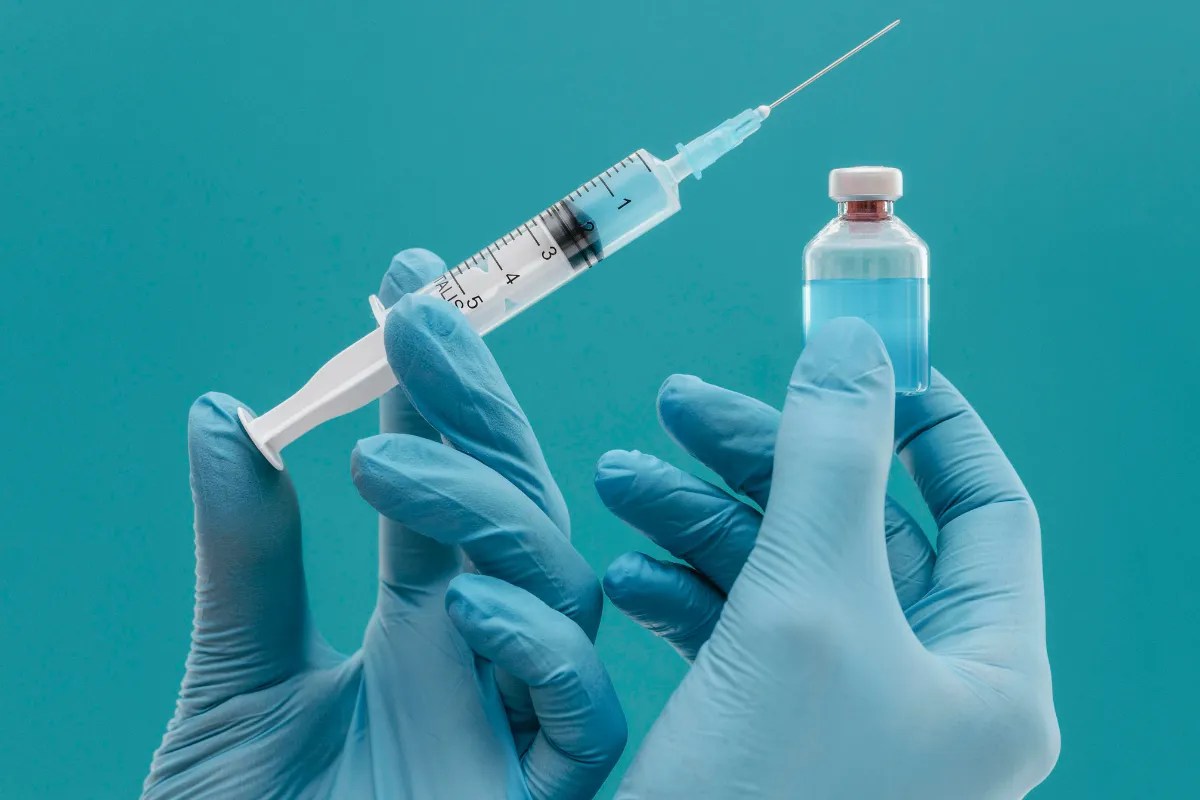
Representative Image (Source: Freepik)
mRNA Cancer Vaccine: Cancer, regardless of its location in the body, poses a threat to our health and lives. Currently, treatments involve chemotherapy and radiation, but these come with significant side effects. Scientists are now exploring a method to train the body's own immune system to fight cancer. This is the concept behind mRNA cancer vaccines, which are based on the same technology as COVID-19 vaccines.
Professor Yuan Wan and his team at Binghamton University have been researching this for several years. They believe that by making the body's immune system recognise tumours, it can be trained to destroy cancer cells itself. Just as the COVID-19 vaccine activates the immune system by showing it the virus's spike protein, an mRNA cancer vaccine would prompt the body to produce proteins on cancer cells that resemble the virus. This would immediately alert the body, leading it to eliminate those cancer cells.
A major challenge with cancer is that tumours evolve. Older vaccines or treatments may not be effective against their new forms. However, the new mRNA technology compels tumours to display a specific spike protein on their surface. This allows the immune system to recognise and attack the tumour, regardless of how much it changes.
The research team has developed nanoparticles that adhere directly to the surface of tumours, particularly those with high levels of HER2 protein (found in many types of cancer). These nanoparticles deliver mRNA, forcing the cancer cells to produce spike proteins. As soon as these proteins are produced, the immune system is rapidly activated and attacks the cancer cells, recognising them as foreign invaders. Crucially, due to COVID-19, most of our bodies already possess immune memory for spike proteins. This means that as soon as cancer cells display this protein, they will be destroyed even more rapidly.
While the results so far are promising, the treatment is still in the testing phase. Large-scale manufacturing and safety checks will be required before it can be used in humans.
If this technology proves successful, it could revolutionise the treatment not only of cancer but also of many other serious diseases. mRNA-based therapies have the potential to be the most significant breakthrough in medical science in the future.