3 March 2026,
Tuesday


3 March 2026,
Tuesday
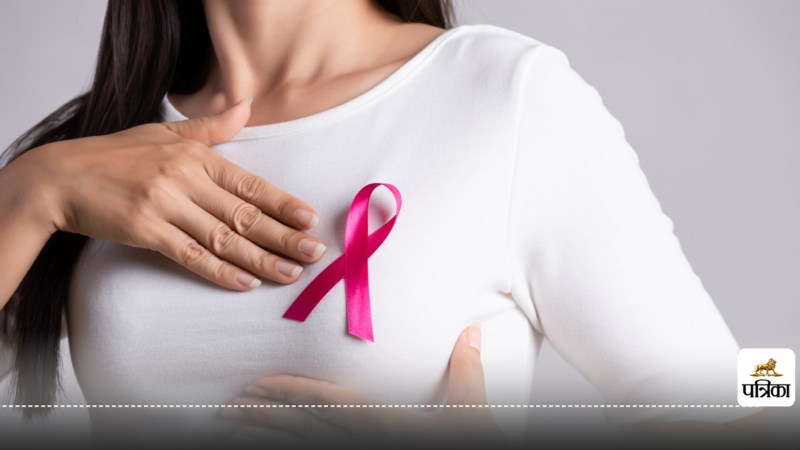
Breast cancer early detection: Early and accurate detection of breast cancer has become significantly easier. Scientists at the University of Edinburgh have developed a machine learning-based technology capable of detecting breast cancer with 98% accuracy. This new technology offers new hope in cancer screening.
This technology combines laser analysis (Raman spectroscopy) and machine learning. After applying a laser beam to the patient's blood plasma, a spectrometer analyses minute changes in the chemical structure.
According to researchers, this technique can identify subtle changes in blood flow that are not detectable by existing standard tests such as physical examinations, X-rays, ultrasounds, or biopsies.
This technology is effective even in the early stages of breast cancer, known as Stage 1A. While conventional tests often detect cancer late, this technology can detect the disease in its initial stages.
Using machine learning algorithms, this technology can differentiate between the four main subtypes of breast cancer with over 90% accuracy. This helps patients receive personalised and effective treatment.
Currently, available standard tests such as biopsies, X-rays, and ultrasounds are often expensive, time-consuming, and sometimes painful. In contrast, this new technology is fast, accurate, and non-invasive, making it more affordable and widely applicable.
Researchers say that the application of this technology is not limited to breast cancer. In the future, it could be expanded to identify other types of cancer.
Early detection of a serious disease like breast cancer can play a crucial role in saving a patient's life. This new technology from the University of Edinburgh is a significant advancement in the medical field. It is hoped that this technology will soon be used on a larger scale, making cancer screening more accessible and effective.
Big News
View AllHealth
Trending
Lifestyle