12 August 2026,
Wednesday

12 August 2026,
Wednesday
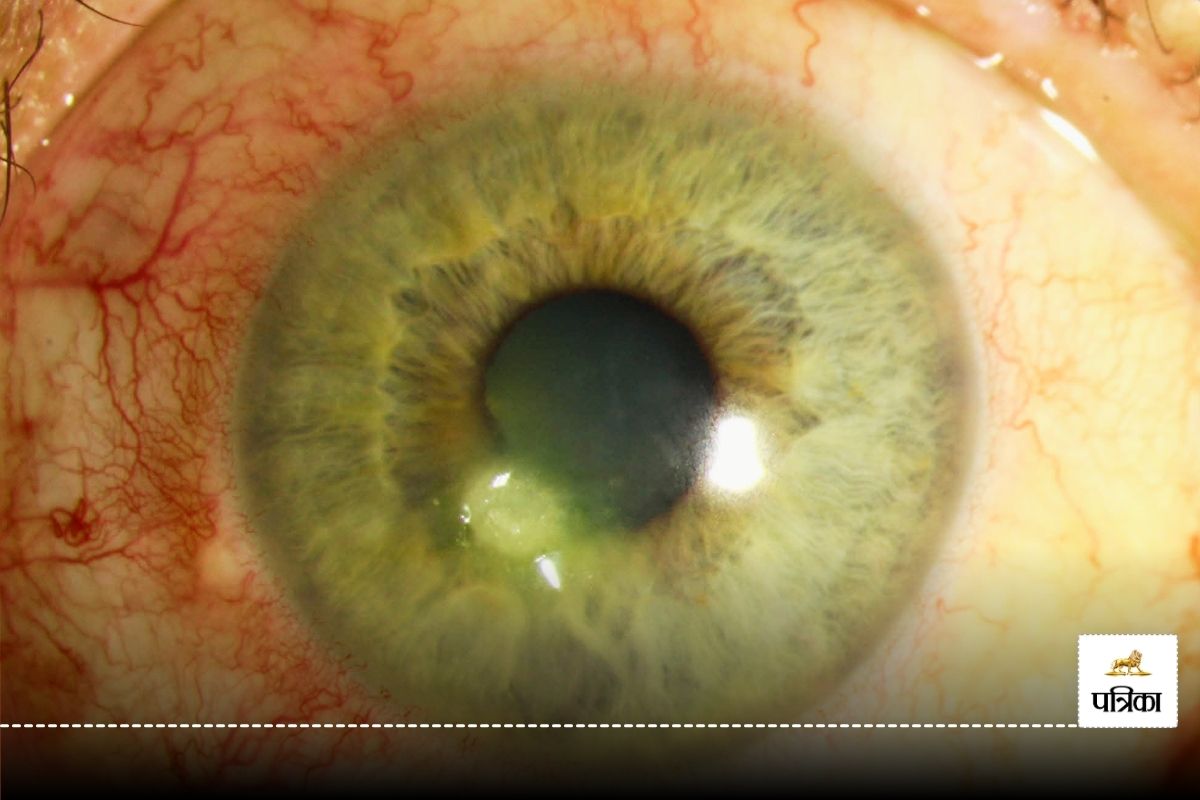
A recent study has revealed that Artificial Intelligence (AI) is capable of diagnosing Corneal Infection with the same precision as eye specialists. This research highlights the crucial role of AI and deep learning models in healthcare services, which can revolutionize the diagnosis of eye diseases, particularly eye infections.
Keratitis infection, also known as Corneal Infection, is a major cause of blindness worldwide. Approximately 5 million people become blind every year due to this, and over 2 million people suffer from monocular blindness (blindness in one eye). This problem is particularly severe in low- and middle-income countries where access to eye care services is limited.
Researchers at Birmingham University conducted a meta-analysis of 35 studies to diagnose Keratitis infection. Their findings suggest that AI models have an accuracy similar to that of eye specialists. While eye specialists have a sensitivity of 82.2% and a specificity of 89.6%, AI models achieved a sensitivity of 89.2% and specificity of 93.2%.
Birmingham University's eye specialist Dr. Darren Ting described the research results as revolutionary. He said, "Our research confirms that AI has unique capabilities in diagnosing Corneal Infection. This can be particularly helpful in areas where access to eye specialists is limited."
According to the study, AI-powered models can be highly beneficial in areas where access to eye specialists is limited. This can not only increase the speed of diagnosis but also reduce the number of preventable blindness cases worldwide.
Furthermore, AI models can differentiate between various types of Corneal infections, such as bacterial or fungal infections, and healthy eyes.
Although this research highlights the effectiveness of AI, its clinical use requires more diverse data and external validation. Researchers emphasized the need for cautious evaluation and further studies to strengthen the reliability of AI models.
Artificial Intelligence not only simplifies the work of eye specialists but can also improve eye care in areas where specialist services are limited.