17 March 2026,
Tuesday


17 March 2026,
Tuesday
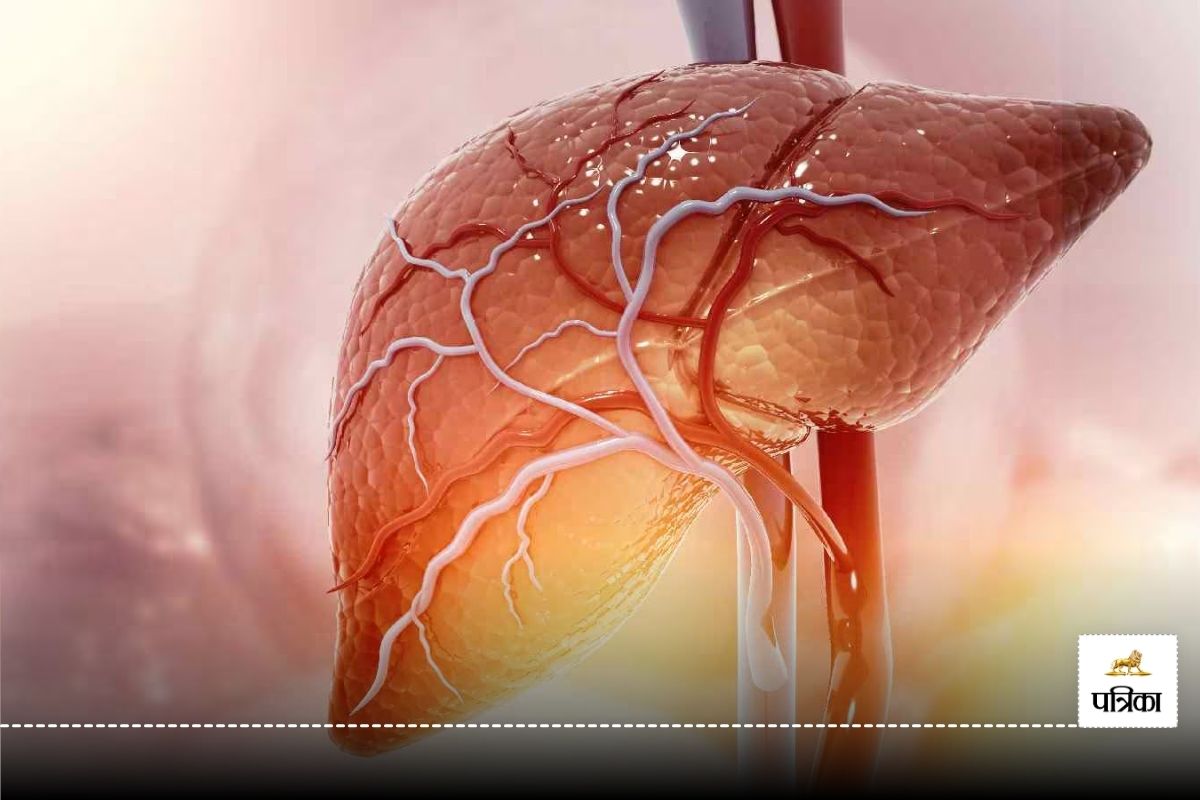
Early Signs of Liver Problems: The liver is a vital organ, aiding digestion, removing toxins, and storing energy. However, today's fast-paced and unhealthy lifestyles are leading to a rapid increase in liver diseases, necessitating timely treatment. Let's learn from Dr. Rahul Roy, Senior Hepatologist, how to maintain liver health.
These involve acute liver inflammation, often caused by contaminated water or food, leading to Hepatitis A and E. Early symptom identification ensures timely treatment.
These cause gradual damage, including chronic Hepatitis B and C (transmitted through contaminated blood), alcohol consumption, and fatty liver disease.
Chronic liver diseases often show no initial symptoms. Severe stages may present with yellowing of eyes and urine, reduced appetite, nausea, vomiting, fatigue, and bloody vomit.
Even without symptoms, regular check-ups are crucial for early disease detection. A blood test at a local lab can check for Hepatitis B and C viruses. Low platelet counts or elevated SGOT-SGPT levels necessitate immediate sonography and appropriate treatment.
Engage in 30 minutes of brisk walking, cycling, or yoga daily. Consume green vegetables, fruits, and fibre-rich foods. Avoid fried, sugary, and fast foods. Do not take medication without consulting a doctor. Get vaccinated against Hepatitis B, and keep blood pressure, diabetes, and cholesterol under control.
Early detection allows for management through balanced diet, regular exercise, medication, and alcohol abstinence. In jaundice, provide the patient with clean water and regular (non-boiled) food. Avoid home remedies; a 5-10% weight reduction can improve the condition.
Big News
View AllHealth
Trending
Lifestyle