5 April 2026,
Sunday


5 April 2026,
Sunday
Monsoon Health Tips: The monsoon season, while bringing relief with cool breezes and gentle rains, also increases the risk of various illnesses. During this time, the digestive system weakens, leading to common problems like stomach issues, viral infections, and food poisoning. Therefore, being cautious about one's diet is crucial. The question arises: what to eat and what to avoid during the rainy season? Which foods boost immunity, and which should be avoided? Let's find out from experts what to include in your diet and what to avoid to stay healthy during this season.
Dr. Arjun Raj (Ayurvedic Physician) explains that while the rainy season brings comfort and coolness, it also increases the risk of infections, indigestion, and digestive problems. By adopting the right diet and keeping some precautions in mind, we can stay healthy.
During the rains, the body's digestive power slows down; therefore, consume light, less fried food that is easily digestible. Examples include porridge, khichdi, boiled vegetables, moong dal, and soups.
Warm water, ginger tea, tulsi (holy basil) decoction, fennel water, and soups not only soothe the throat and digestive system but also boost immunity.
During the rainy season, eat fruits rich in fibre and antioxidants, such as apples, papaya, pears, jamun (black plum), and pomegranates. These fruits improve digestion and provide energy.
Probiotic foods like yoghurt and buttermilk increase good bacteria beneficial for gut health. Include them in your daily diet.
Turmeric milk, tulsi (holy basil), ginger, garlic, and amla enhance the body's ability to fight diseases. Include them in your diet or as a decoction.
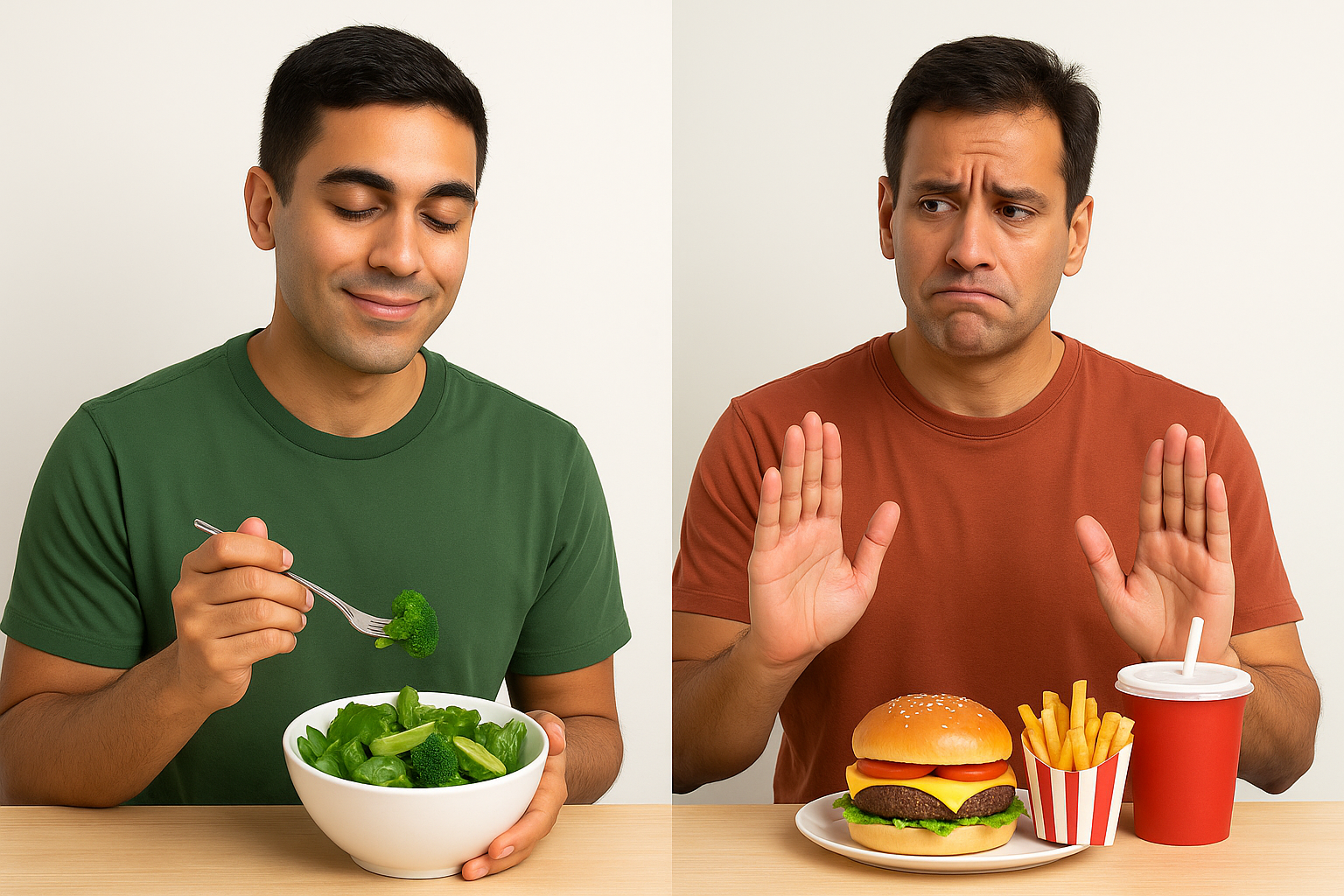
During the rains, street food like chaat, pakoras, and golgappas become breeding grounds for bacteria and infections. Maintain a safe distance from them.
Fried foods like pakoras, samosas, and chips, and excessively spicy food can cause indigestion, acidity, and gas.
Raw green leafy vegetables like spinach and fenugreek may contain germs and soil particles. Consume them only after thoroughly washing and cooking. Avoid raw vegetables and salads.
Due to high humidity during the rains, fish and other seafood spoil quickly, increasing the risk of food poisoning.
- Drink clean and boiled water: Waterborne diseases increase during the rains. Always drink boiled or filtered water.
- Maintain hand hygiene: Washing hands before cooking and eating is essential to prevent the spread of bacteria.
- Be cautious with refrigerated food: Avoid eating stale or food kept in the refrigerator for a long time.
- Get enough sleep and avoid stress: Sleep is essential for maintaining the body's immunity.
- Avoid getting drenched in the rain, and if you do, change your clothes immediately.
Disclaimer: The information provided in this article aims to raise awareness about diseases and health issues. It is not a substitute for a qualified medical opinion. Readers are advised not to try any medication, treatment, or prescription on their own but to consult an expert or doctor related to that medical field.
Big News
View AllHealth
Trending
Lifestyle