29 December 2025,
Monday

29 December 2025,
Monday

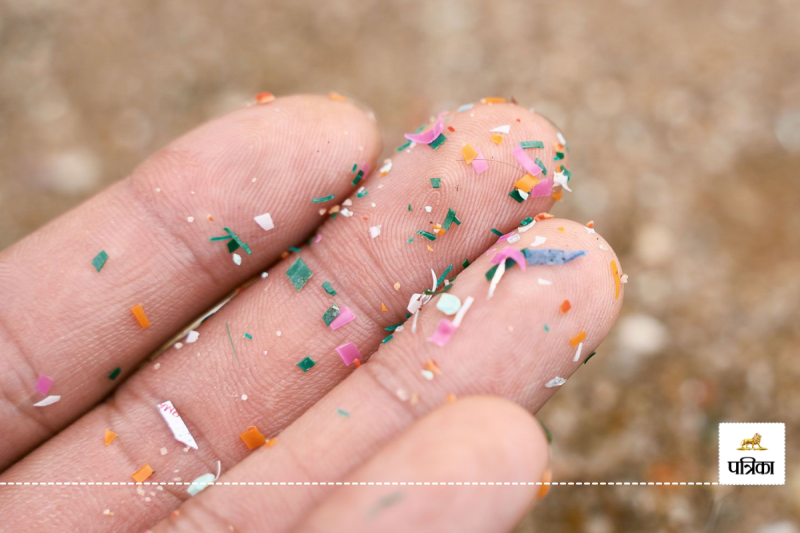
Microplastics and nanoplastics: Microplastics and nanoplastics are extremely dangerous to our health. But how dangerous can they be when they start affecting children? Recent research by a team of doctors in the USA has revealed shocking findings. This research found high concentrations of microplastics and nanoplastics in the placentas of prematurely born infants.
Microplastics and nanoplastics are so light that they are invisible to the naked eye. Microplastics are less than 5 millimetres in size, while nanoplastics are measured in billionths of a metre. These are widely present in the environment. Previous research indicates that the use of plastics is generally harmful to both the environment and humans.
A team of scientists from Baylor College of Medicine, Texas Children's Hospital, and the University of New Mexico found that the level of microplastics and nanoplastics in the placentas of prematurely born babies was significantly higher. This level was far higher than previously measured levels in human blood. This suggests that plastic accumulation in the placenta is likely during pregnancy, and the risk and accumulation are higher in cases of premature birth.
According to lead author Enrico R. Barrozo, the finding of high concentrations in the placentas of prematurely born babies was surprising, as if it were a result of the duration of pregnancy, the expectation would be the opposite. The team says that placentas of prematurely born infants contain more microplastics and nanoplastics compared to those born at term.
This study, part of the growing evidence against microplastics and nanoplastics, suggests potential health risks ranging from heart disease to stroke. The team says it highlights the real risk of plastic exposure to human health and disease. This study is to be presented at the annual meeting of the Society for Maternal-Fetal Medicine currently underway in Colorado, USA.
Disclaimer: The information provided in this article is intended only to raise awareness about diseases and health problems. It is not a substitute for any qualified medical opinion. Therefore, readers are advised not to try any medication, treatment or prescription on their own, but to consult an expert or doctor related to that medical field for advice.
Big News
View AllHealth
Trending
Lifestyle