29 December 2025,
Monday


29 December 2025,
Monday

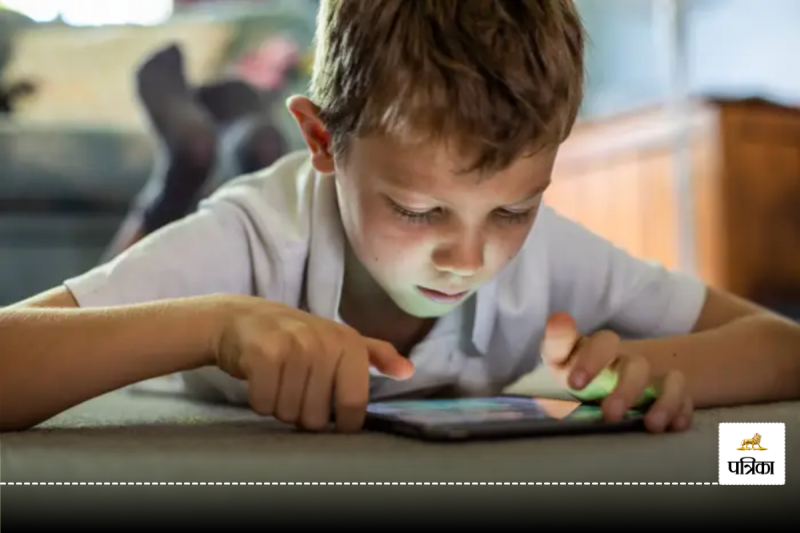
Excessive screen use: An international study has revealed that excessive use of screens – such as TVs, smartphones, and tablets – can negatively impact a child's language development abilities. The study suggests that engaging children with books and using screens together with adults can improve their language skills.
This study was conducted by researchers from 20 Latin American countries, analysing data from 1,878 children aged between 12 and 48 months. The study focused on children's screen use, engagement with books, language development, and other factors. It also considered the family's economic status, parents' education, and employment status.
According to this research, published in the journal PLOS ONE, television was the most frequently used screen medium for young children, with an average viewing time exceeding one hour. This can slow down the pace of children's language development.
The study also found that entertainment programs were most watched by children, while music and educational programs ranked second and third respectively. Families with weaker economic conditions showed less use of books and educational resources.
Children who watched excessive screen time exhibited limited vocabulary and delayed milestones in language acquisition. Conversely, children who engaged more with books or used screens with adults demonstrated better language skills. However, the study found no significant correlation between screen use and physical development.
This study confirms previous research indicating that excessive screen time can negatively impact the language development of young children. However, these effects can be somewhat mitigated if adults share screens with children and provide them with appropriate educational content.
Researchers recommend further in-depth studies on this topic to better understand the effects of screens on children.
Next time your child displays anger, don't necessarily blame them. A recent study suggests that excessive use of mobile phones and tablets can affect children's emotional development. Specifically, using these devices for cartoons and other content can lead to emotional outbursts in everyday situations such as waking up, bedtime, or refusing meals.
A study published in the JAMA Pediatrics journal has revealed a link between young children's screen time and their emotional development. The research showed that children who used mobile phones and tablets at age 3.5 were more likely to experience increased anger and frustration by age 4.5. Furthermore, children who experienced anger and frustration by age 4.5 were more likely to increase their use of these devices by age 5.5. A survey of 315 parents in Nova Scotia, Canada, studied children's tablet use and their emotional behaviour.
Big News
View AllHealth
Trending
Lifestyle