11 October 2026,
Sunday

11 October 2026,
Sunday
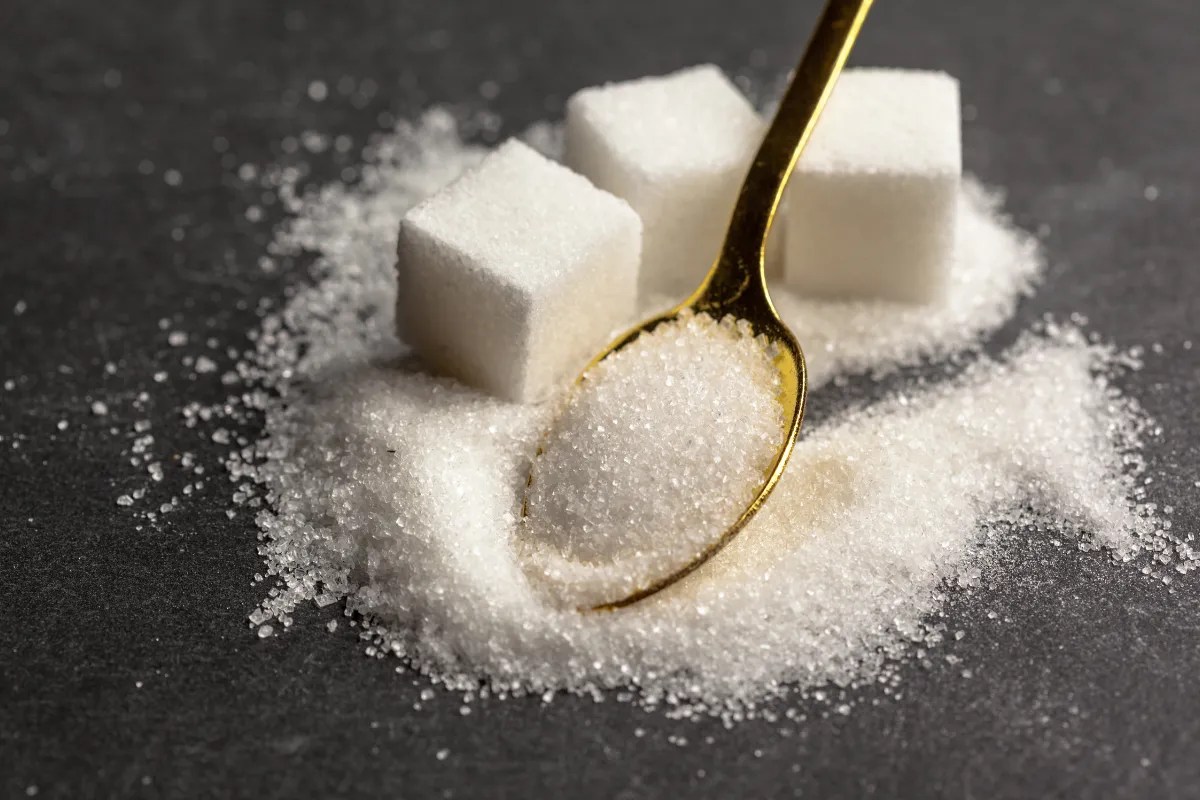
Sugar Free (Image: Freepik)
The Truth About Sugar-Free: Everyone wants to stay away from diabetes these days, and in this pursuit, we give up sugar. We abandon white sugar and adopt the 'sugar-free technique'. We add the word 'sugar-free' to our daily routine and become completely carefree. We live happily thinking that since we have given up sugar, we cannot get diabetes. If you are also living under this illusion, be warned, you might be inviting a heart attack while trying to avoid diabetes. Let's find out why sugar-free beverages lead us towards heart attacks and what diabetic patients should keep in mind when buying sugar-free products.
To make sugar-free products sweet, an ingredient called 'Erythritol' is used. Erythritol is a type of sugar alcohol. It is sweet but contains absolutely no calories. According to Mumbai-based expert Dr. Pranav Ghodi, excessive consumption of Erythritol causes our platelets to stick together. The sticking of platelets leads to the formation of blood clots, and these clots are the cause of heart attacks.
Disclaimer: The information provided in this article is intended solely to raise awareness about diseases and health-related problems. It is not a substitute for qualified medical opinion. Therefore, readers are advised not to try any medicine, treatment, or remedy on their own but to seek the advice of an expert or doctor related to that medical practice.