15 April 2026,
Wednesday


15 April 2026,
Wednesday
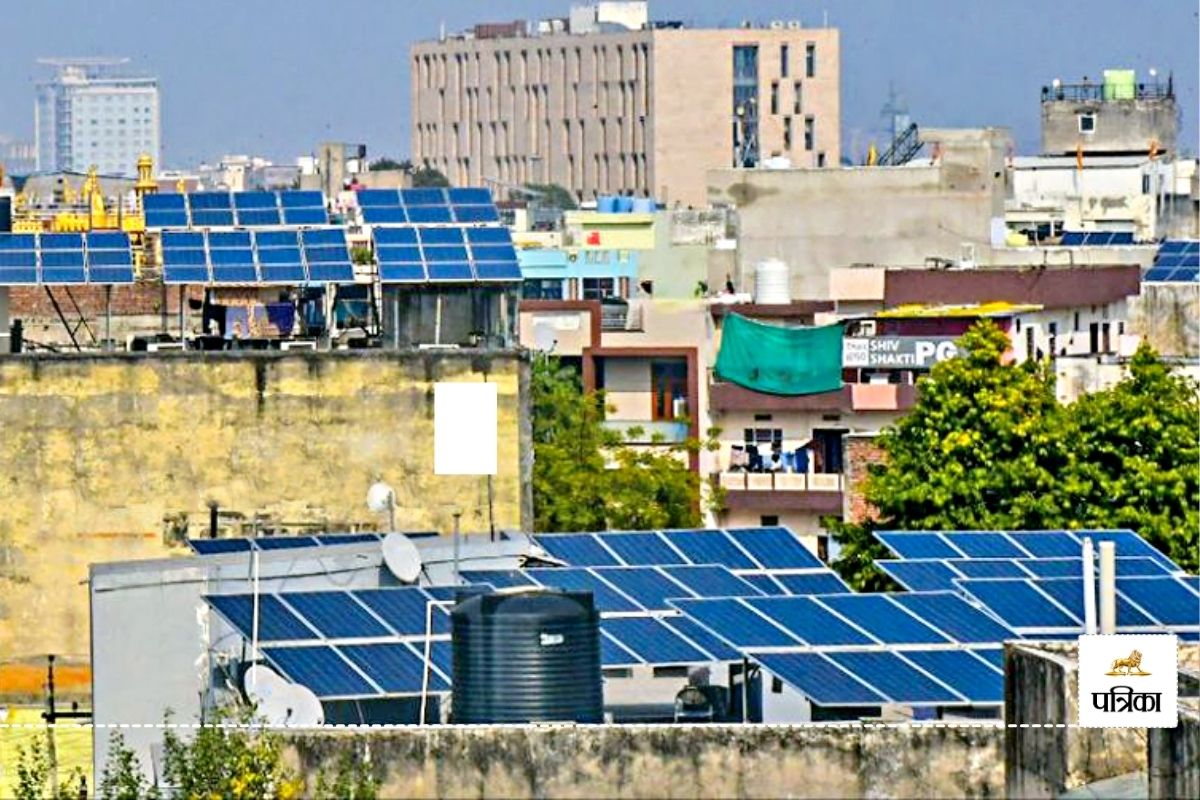
Rajasthan Electricity Update: Electricity consumers in Rajasthan who install captive power plants will now be able to install solar panels up to double their designated electricity load capacity. The state electricity regulatory commission has granted permission, but they will have to store at least 20% of the electricity in batteries. This will allow the use of cheaper electricity during peak hours (when electricity demand exceeds availability). Most of these consumers are industrial and commercial entities that have been generating electricity through solar-connected captive power plants for their own use.
Officials claim this will provide industrial units with cheaper electricity and also reduce the likelihood of power shortages. This is also expected to alleviate power cuts for ordinary consumers. Currently, there are 800 megawatt capacity captive power plants in the state. Following the Rising Rajasthan Investment Global Summit, the government is preparing various plans for industry and other investors.
Until now, all categories of consumers were permitted to install solar panels only up to their electricity load capacity. For example, if an industrial unit or office had an electricity load of 80 kilowatts, it could only install a solar panel of 80 kilowatts capacity. Now, they can install a solar panel with double the capacity, i.e., up to 160 kilowatts. This is the first time permission has been granted to install solar panels exceeding the specified capacity.
Currently, these consumers are charged a wheeling-transmission charge of ₹1.25 to ₹2 per unit. Under this proposal, they will now receive a 75% to 100% discount on this charge. This charge is levied on those who use transmission lines.
₹2 crore will be the cost for a one-megawatt electricity storage battery.
2 to 4 hours of electricity supply will be possible from the battery.
26% of industrial units have already installed captive power plants.
Industrial consumers have been demanding this for a long time. The electricity regulatory commission has granted relief to industrial consumers, but has also made battery storage mandatory. In this scenario, when industrial units or companies themselves generate and store more electricity, their reliance on DISCOM electricity will reduce.
Big News
View AllJaipur
Rajasthan
Trending