9 October 2026,
Friday

9 October 2026,
Friday
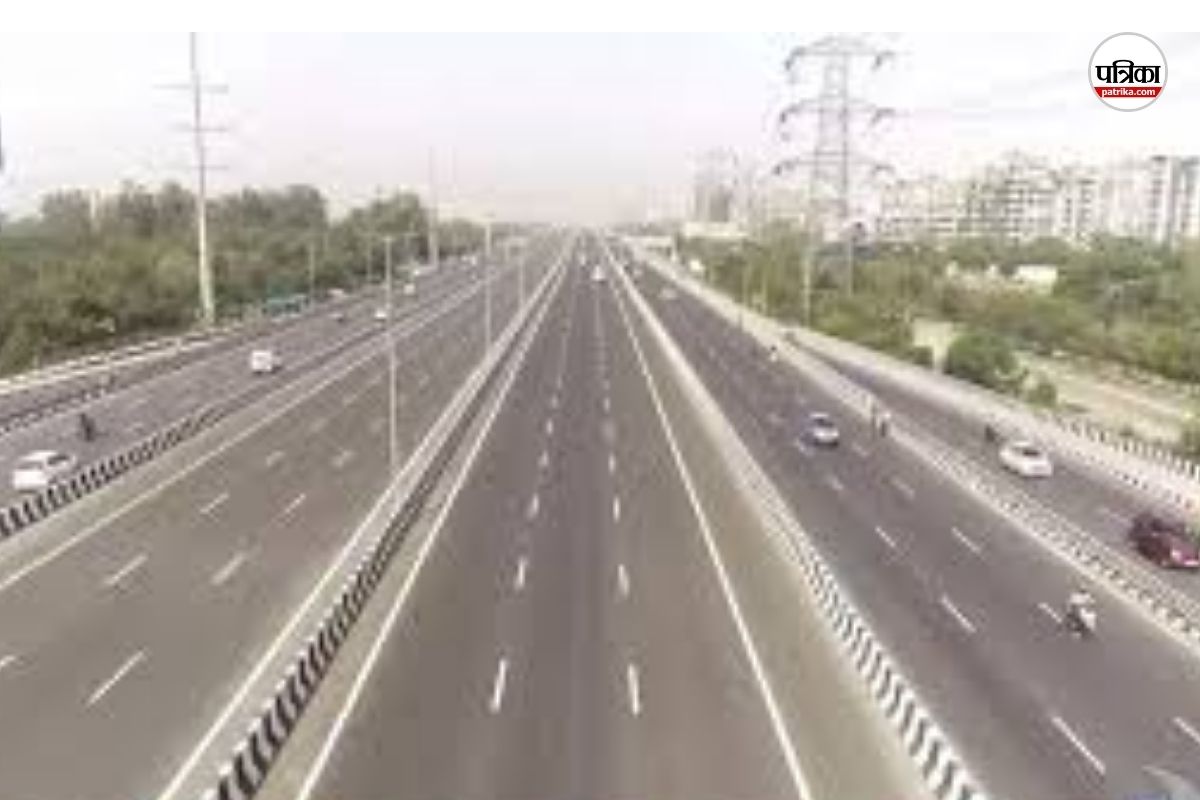
Representative photo of the Delhi–Meerut Expressway (Source: Internet)
Meerut-Delhi Expressway News: Travellers using the Meerut-Delhi Expressway will now find their journeys slightly more expensive. The National Highways Authority of India (NHAI) has decided to increase toll rates. The new rates will be effective from midnight of March 31. This increase sees a hike of Rs 5 to Rs 45 in the toll charges.
According to NHAI, toll is collected from Meerut to Sarai Kale Khan. For light vehicles such as cars, jeeps, and vans, the toll has now been increased from Rs 170 to Rs 175. If a vehicle returns within 24 hours, the previous charge of Rs 255 will now be Rs 265.
Toll rates have also been increased for mini buses. Previously, Rs 275 was charged, which will now be Rs 285. For a return journey within 24 hours, this charge has increased from Rs 415 to Rs 425. The toll has also gone up for heavy vehicles like buses and trucks. They will now have to pay Rs 595 instead of Rs 580. If the return journey is made within 24 hours, this charge has been increased from Rs 870 to Rs 890.
The toll has also been increased for multi-axle and two-axle trucks. As per the new rates, they will now have to pay Rs 645 instead of Rs 630, Rs 930 instead of Rs 905, and Rs 1130 instead of Rs 1105. If these vehicles cross the toll plaza within 24 hours, they will have to pay Rs 970, Rs 1395, and Rs 1700 respectively.
This increase in toll rates will affect both regular commuters and those involved in business. People who travel on this expressway daily will now have to spend more. Furthermore, the cost for goods transport vehicles will also increase, which could potentially impact the prices of goods. This hike has been implemented as part of NHAI's usual annual increase of approximately 5 percent. The new rates will be applicable for the financial year 2026-27.