11 March 2026,
Wednesday


11 March 2026,
Wednesday
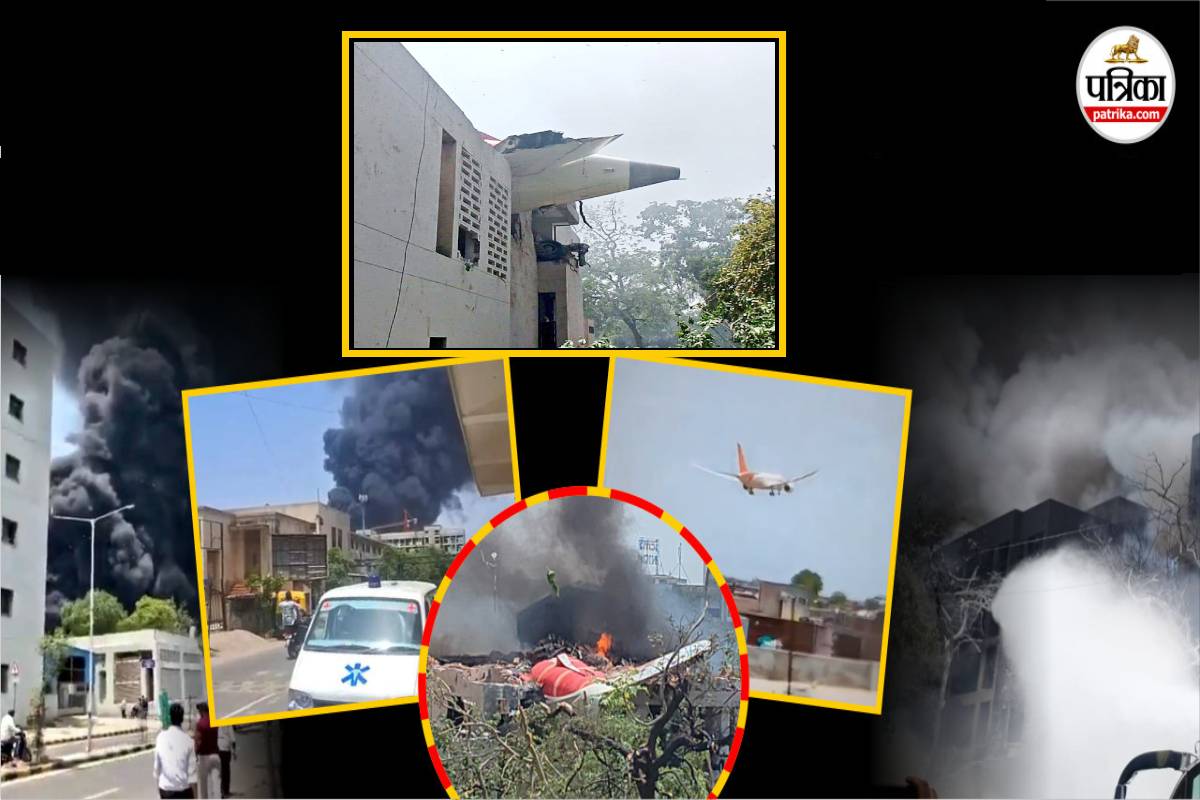
A total of 241 people died in the Ahmedabad plane crash. One person survived the accident. The United States has also offered assistance in the investigation of the Air India Boeing 787 plane crash. The US National Transportation Safety Board (NTSB) has announced that it is sending a specialist investigation team to India, which will cooperate with India's Aircraft Accident Investigation Bureau in investigating the accident.
Engine failure is considered the most likely cause of the plane crash. Passenger planes have two engines; if one fails, the other continues to function, making the aircraft safer. Experts consider the possibility of engine failure in the Ahmedabad case to be negligible.
Bird strike is considered another major cause of plane crashes. A collision with a bird or object can cause a fire and a subsequent crash. However, in the Ahmedabad incident, there is no indication of a fire while the Air India plane was falling. The explosion occurred after the plane hit the ground.
Technical malfunction is considered a third major cause of the accident. Although flights undergo thorough checks before takeoff, a technical malfunction is being cited as a possible cause of this accident. The pilot contacted ATC shortly before the crash, reporting a lack of thrust.
A stall is another possible cause of the plane crash. A stall occurs when the wings of an aircraft do not receive enough airflow to maintain lift, causing a sudden descent. To take off, a plane needs to reach a maximum speed of 300 KMPH.
The plane became a fireball upon impact. The aircraft was carrying a full load of fuel, which ignited on impact. The plane's total fuel capacity was reportedly 126,000 litres. Approximately 55,000 litres were needed for the flight to London. The plane was carrying extra fuel. Sometimes, planes are unable to land due to unforeseen circumstances and need to remain airborne, necessitating extra fuel.
Big News
View AllNational News
Trending