30 January 2026,
Friday


30 January 2026,
Friday
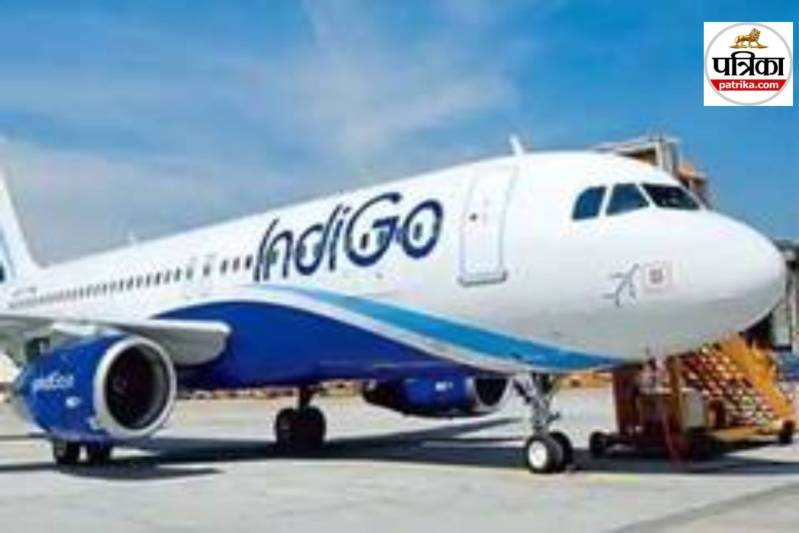
India's aviation policy aims to establish the country as a global aviation hub by boosting direct international connectivity. IndiGo CEO Peter Elbers has voiced support for the Indian government's policy, which advocates against expanding bilateral flight agreements with countries possessing global hub airports, such as those in the Gulf region. Elbers stated, “Balance is needed in bilateral agreements, not decisions made under pressure.” This statement comes at a time when airlines from Gulf countries, particularly the UAE, have intensified public demands for increased air traffic rights from India (Emirates India air rights).
This policy from India is part of a larger strategic vision aimed at reducing dependence on foreign transit hubs and transforming domestic airports like Delhi, Mumbai, and Hyderabad into global hubs. Recently, Air India and IndiGo ordered over 500 new aircraft, including wide-body jets crucial for long-haul direct flights.
Responding to Emirates Airline's demand for an open skies policy in Dubai, Elbers retorted, “Bilateral agreements are based on mutual consent; one side making more noise doesn't make them right.” He clearly stated that India's balanced and strategic approach is necessary.
Elbers argued that historically, foreign airlines have maximised the use of India's flight rights, while Indian companies haven't fully utilised this capacity. Therefore, India's current stance of prioritising the use of existing flight seats is a rational and justifiable step.
Instead of allocating more flight seats to Gulf countries, the Indian government is encouraging domestic airlines like Air India and IndiGo to increase direct flights to Europe and America. This policy is a step towards making India's aviation sector self-reliant and global.
Emirates Airline labelled India's aviation policy as “opportunity-restricting” and advocated for open skies.
Meanwhile, Indian aviation experts, supporting Elbers' statement, said, “It's time India sets global rules according to its interests, not just considering others' convenience.”
Passenger organisations have also appealed to the Indian government to reach agreements that balance the needs of both sides to avoid impacting ticket prices and connectivity.
Potential High-Level Talks: This issue will be crucial in upcoming diplomatic meetings between India and the UAE.
Preparation by Indian Airlines: Air India and IndiGo are preparing to increase their share in long-haul flights by 2025.
Not a Policy Change, but a ‘Re-alignment’: Ministry sources say this isn't a restriction, but a strategic stabilisation.
Ticket prices for flights from India to the Gulf and Europe are rising due to limited seat availability and fewer flights. Experts believe that if India succeeds in strengthening its domestic airlines, it will benefit passengers in the long run, even if there is some inconvenience now.
IATA Director General Willie Walsh stated that Indian airlines now have a plethora of wide-body aircraft and are rapidly expanding internationally. He said, “Flight rights are just a matter of time – India's global air network will soon be stronger.”

Big News
View AllBihar Election
National News
Trending