14 April 2026,
Tuesday


14 April 2026,
Tuesday
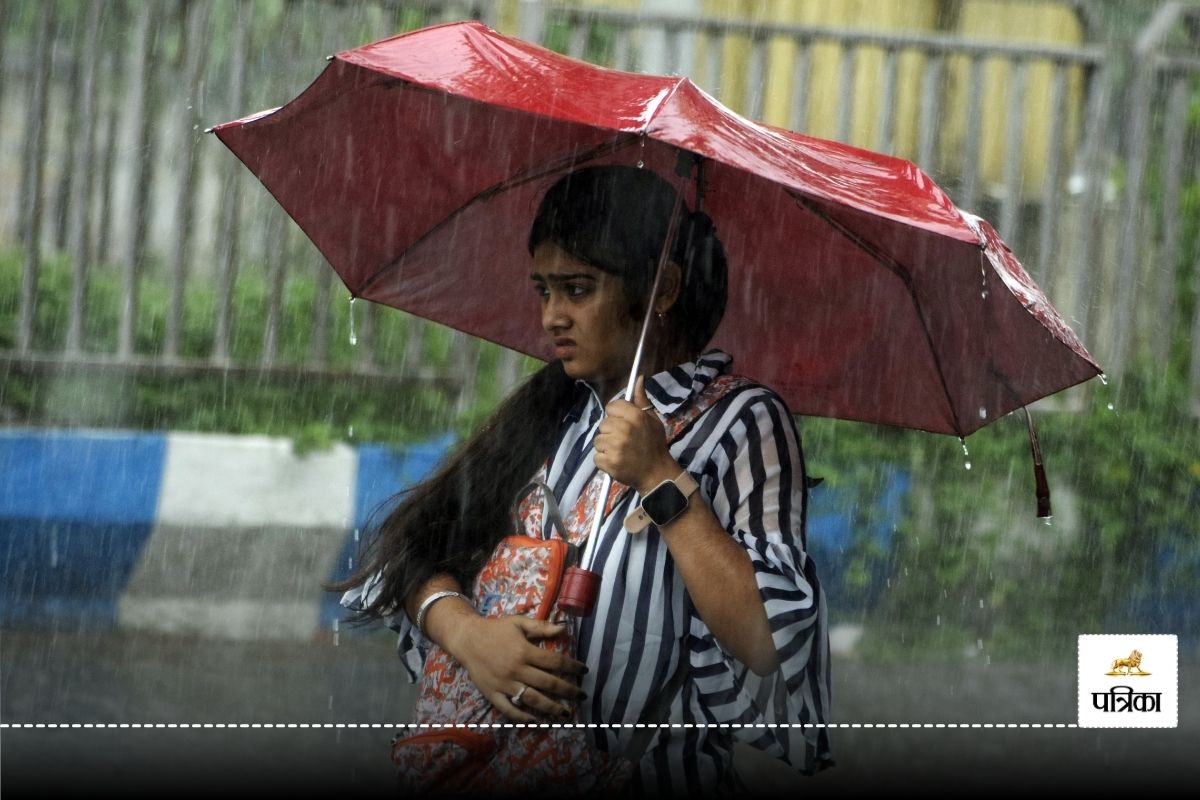
BFS Launched: India's weather forecasting technology has significantly advanced in recent years. As a result, the Weather Department now provides more accurate and precise forecasts for heat, rain, cold, cyclones, and other weather phenomena. The central government has launched the new Bharat Forecasting System (BFS), which will provide more accurate weather predictions. BFS is a completely indigenous system developed by the Indian Institute of Tropical Meteorology (IITM). The Weather Department will begin using its services from this monsoon season. Let's find out what BFS is and how it works.
Bharat Forecast System: Until now, India's weather forecasting was based on a 12-kilometre grid model. BFS has reduced this distance to 6 kilometres. This means that forecasts will be possible for individual villages instead of groups of 4-5 villages. This will improve rainfall forecasts by up to 30%, and the accuracy of monsoon core area predictions could increase by up to 64%.
The supercomputer ‘Arka’ has been chosen for BFS. This is a high-performance computing system. With a computing speed of 11.77 petaflops and a storage capacity of 33 petabytes, Arka reduces model run time to just 4 hours. The previous ‘Pratyush’ system took 10 hours to run weather forecasts.
BFS will use data from a network of 40 Doppler weather radars across the country. This number will later be increased to 100. This will allow for forecasts up to two hours in advance.
Weather in tropical regions is volatile, with constantly changing patterns. High-resolution models are needed to capture local-level changes. This new model will be highly effective in meeting regional needs.
Another achievement of BFS is that the project is led by four women scientists: Dr. Suvarna Fadnavis, Dr. Swapna Panikkal, Dr. Sushmita Joseph, and Dr. Medha Deshpande have played key roles.
Big News
View AllNational News
Trending