19 March 2026,
Thursday


19 March 2026,
Thursday
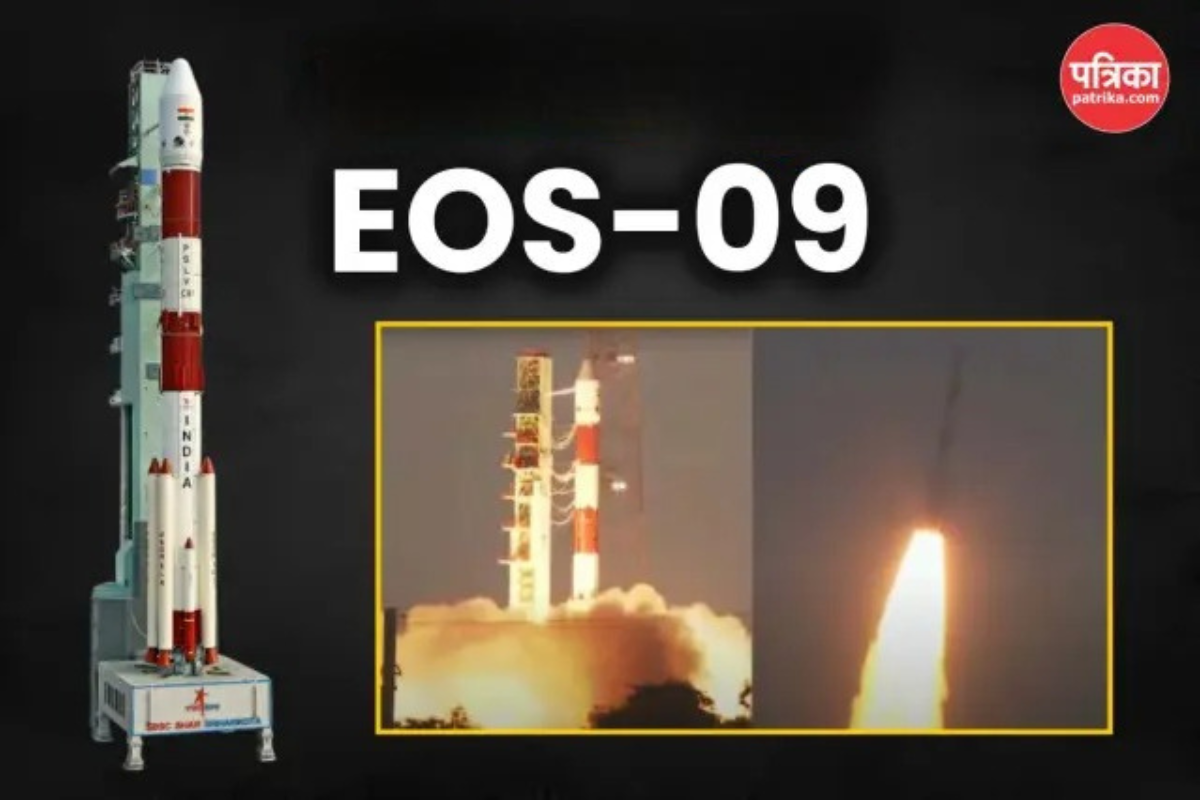
ISRO Satellite Launch Failure: The Indian Space Research Organisation's (ISRO) ambitious EOS-09 mission failed on Sunday due to a technical snag in the third stage of the launch. The mission, launched via the Polar Satellite Launch Vehicle (PSLV-C61) from the Satish Dhawan Space Centre in Sriharikota at 5:59 AM, failed to place the satellite in its intended Sun Synchronous Polar Orbit (SSPO) due to a problem encountered in the third stage within minutes of launch.
ISRO chief Dr. V. Narayanan informed that while the first and second stages of the PSLV performed nominally, a technical anomaly occurred in the third stage, preventing mission completion. He stated, "We are analysing the problem and will revert soon." ISRO also confirmed on its official X (formerly Twitter) account that the mission did not reach its intended objective due to technical reasons.
EOS-09 is a state-of-the-art Earth Observation Satellite utilising C-band Synthetic Aperture Radar (SAR) technology. This satellite is capable of capturing high-resolution images of the Earth's surface in all weather conditions, day and night. Its intended applications included agriculture, forest management, disaster monitoring, and defence.
PSLV-C61 marked ISRO's 101st launch attempt. This was the 63rd flight of the PSLV rocket overall and the 27th flight of its XL version. The rocket boasts a remarkable success rate, and ISRO's PSLV is considered one of the world's most reliable launch vehicles.
EOS-09 was designed as a long-duration mission. It included long-life fuel to allow for a controlled de-orbiting at the end of its mission, mitigating space debris.
Big News
View AllNational News
Trending