2 April 2026,
Thursday


2 April 2026,
Thursday
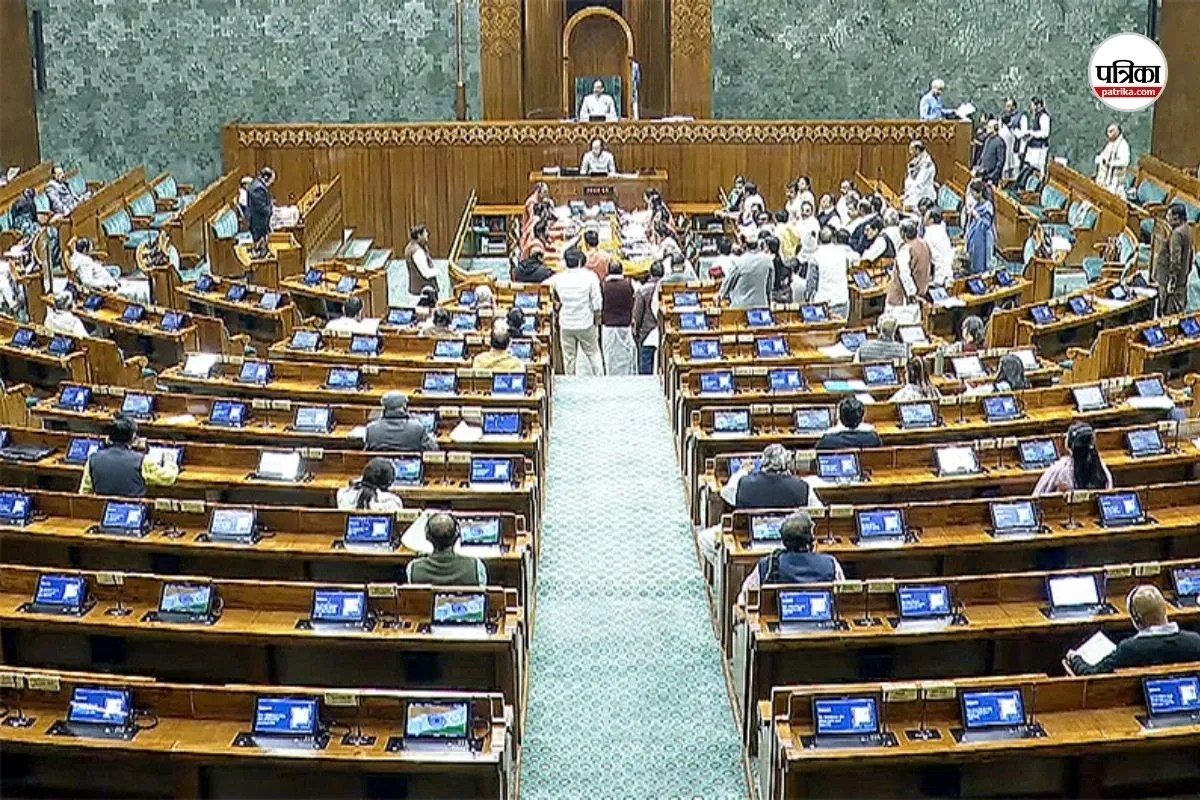
Image: IANS
Right to Disconnect Bill: In a move to champion employee rights in the Lok Sabha, Supriya Sule, a Member of Parliament from the Nationalist Congress Party (NCP), introduced the Right to Disconnect Bill on Friday. The bill proposes to grant employees the right to not respond to office calls and emails after working hours. Additionally, the bill includes provisions for holidays. Following this, if an employee goes on leave, they will have the right to disconnect from office calls and emails. However, this is a private member's bill, which may be withdrawn after the government's response. Bills are often introduced in Parliament but do not always become law.
The bill, introduced by NCP MP Supriya Sule, addresses the rights of labourers and salaried individuals. The Right to Disconnect Bill proposes the establishment of an Employee Welfare Authority. The objective of this bill is to create a balanced environment for employees within companies. If passed, the bill would empower employees to state that they are not obligated to respond to office emails and calls after working hours.
This bill sends a message to companies to protect the rights of their employees. Under this bill, companies will be required to define their working hours. Furthermore, they must respect the personal time of employees that begins after office hours. During this personal time, employees will not be obligated to engage in any form of office communication. This employee regulation will also apply during holidays.
This rule is not new; several countries have already been following it. They believe that constant connectivity to the office and remaining digitally engaged can lead to mental distress. This significantly impacts employee well-being and also reduces company productivity, with employees gradually falling into depression.
Countries such as France, Spain, Belgium, and Portugal have adopted this rule. These nations enforce strict regulations concerning employees' work-life balance. They allow employees to rest after work without any pressure from the office.
Big News
View AllNational News
Trending