21 September 2026,
Monday

21 September 2026,
Monday
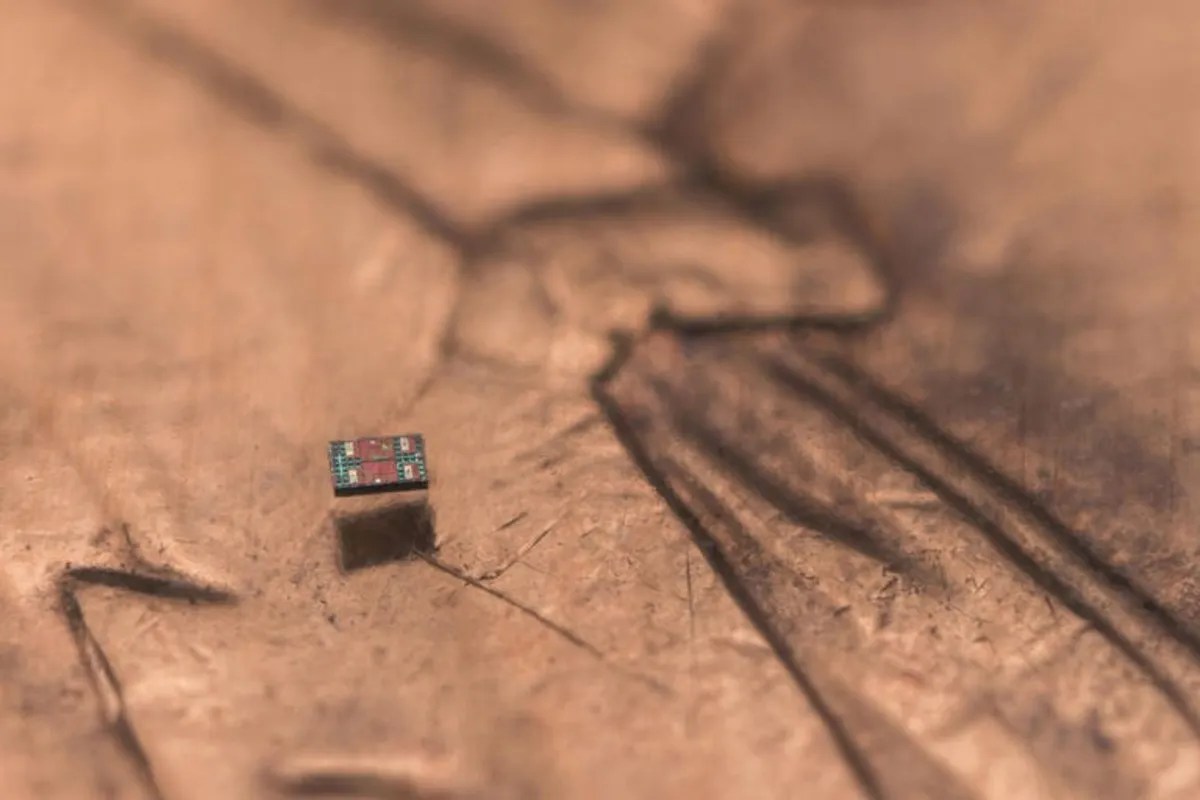
American scientists have created a robot that is smaller than a grain of salt. This robot can sense, think, and act on its own. This discovery solves a difficult problem that has persisted for 40 years. Previously, fitting a computer, sensors, and motor into such a tiny robot seemed impossible, but technology has advanced significantly, making it feasible.
According to scientists, this is the first tiny robot of its kind that, despite its minuscule size, can think and make decisions independently. This robot is 100 times smaller than older robots but is more effective. Currently, the robot only operates in a laboratory setting. Making it safe for the human body is still a work in progress. It can currently swim in fresh water but is not yet capable of functioning in saltwater or on land. However, the good news is that it is easy to operate.
According to reports from American media, this robot is smaller than a millimetre in size. It is equipped with a tiny 55-nanometre computer. It also features temperature sensors that function accurately up to 0.3 degrees. The robot is powered by sunlight as it has solar cells. An external glass-like layer protects it. Scientists have built it using 55-nanometre technology to reduce power consumption.
Scientists believe this robot could revolutionise medical treatment. Tiny robots could navigate the body's blood vessels to deliver medication to precise locations, clear blocked arteries, and monitor cells. This could reduce the need for surgery. One researcher, discussing the development, stated that its practical application could begin within 10 years. While it is currently in the lab, it will soon be capable of operating inside the body, potentially making treatments much easier.