3 April 2026,
Friday


3 April 2026,
Friday
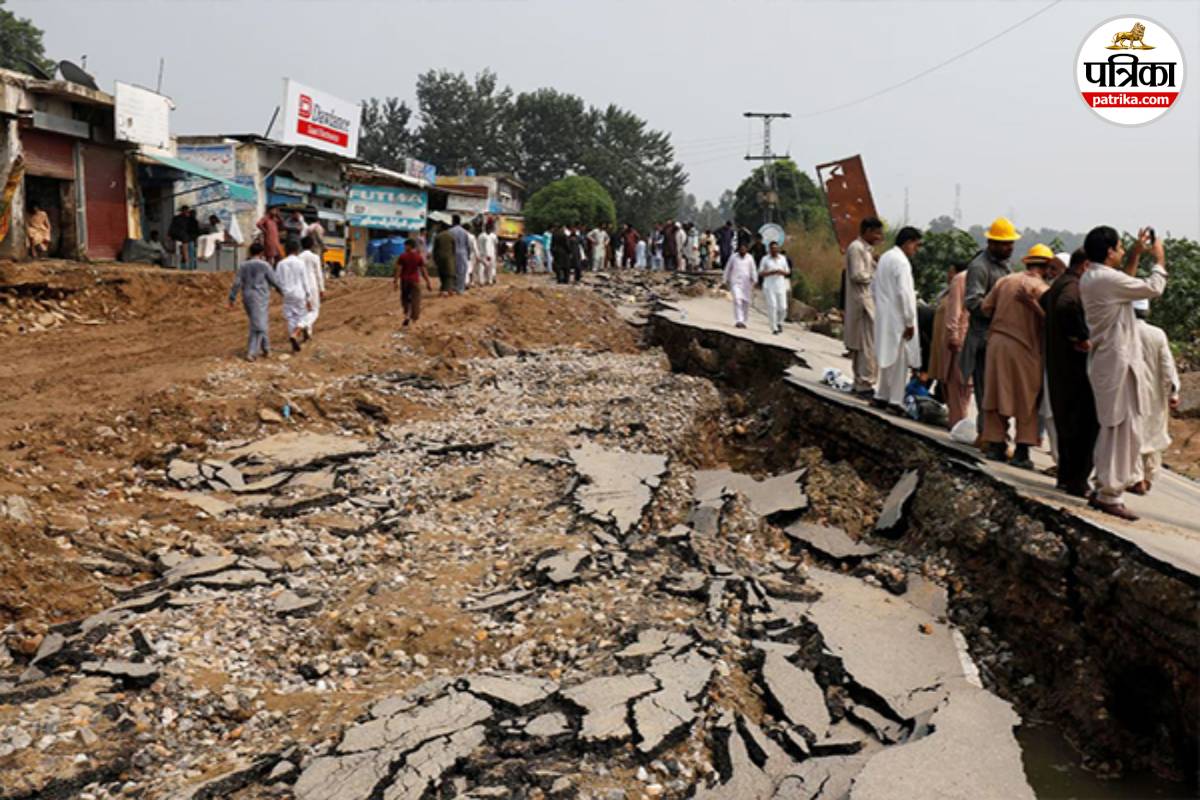
A series of powerful earthquakes struck Pakistan on Sunday, 29 June 2025, forcing people to flee their homes. The first tremor occurred in the early morning at a significant depth, but the second quake caused more intense shaking. The National Centre for Seismology (NCS) reported a 4.5 magnitude earthquake at 8:02 AM. This shallow earthquake, occurring at a depth of 10 kilometers, resulted in stronger ground shaking and increased the likelihood of aftershocks in the region. There were no immediate reports of injuries or significant damage due to the earthquake. However, authorities are closely monitoring the situation and awaiting detailed information about the quakes.
The Sunday earthquake was the second seismic event of the day. Earlier, a 5.2 magnitude earthquake struck another area of Pakistan. This earthquake occurred at a depth of 150 kilometers, but shallower quakes pose a greater risk.
Prior to these events, a 4.4 magnitude earthquake hit Pakistan on 15 June at a depth of 10 kilometers. This region has experienced consistent seismic activity, and these recent events indicate a pattern of frequent earthquakes.
Experts explain that shallow earthquakes are more dangerous than deep earthquakes. Seismic waves from shallow quakes travel faster, resulting in stronger ground shaking. This can cause more damage to structures and increase the risk of casualties. The National Centre for Seismology (NCS) reported: “EQ of M: 4.5, on: 29/06/2025 08:02:51 IST, Latitude: 30.24 N, Longitude: 69.86 E, Depth: 10 km, Location: Pakistan.” Vigilance is necessary in Pakistan and surrounding areas, with experts continuously sharing information.
To mitigate the impact of earthquakes, particularly shallow ones, locals are being advised on safety precautions. Citizens are urged to ensure proper construction and adherence to seismic safety standards to minimise damage during any potential seismic activity.
Local citizens described the experience: “When the ground shook, it felt like something was exploding beneath us. House windows and doors started rattling.”
Seismologist Dr. Imran Qureshi explained: “Shallow earthquakes occur very close to the surface. Therefore, the energy spreads rapidly, and more intense shaking is felt. If this continues, the risk of structural damage will increase.”
The National Disaster Management Authority (NDMA) and related agencies are monitoring ground movement and potential aftershocks. An NDMA official stated: “We anticipate potential aftershocks following these tremors. Therefore, the local administration is on high alert.” The Ministry of Science and Technology is also collaborating with the NCS to analyse seismic data.
Experts note that this is the third major seismic event in June. A 4.4 magnitude tremor was recorded in the same region on 15 June. This suggests the area is becoming a “seismic cluster.” Geologists say the region falls within an active zone due to the collision of the Indian and Eurasian plates, and the possibility of a larger earthquake in the future cannot be ruled out.
In light of the increasing threat of seismic activity in Pakistan, the administration has instructed preparedness for all possible emergencies. Citizens are advised to move to safe locations during earthquakes and follow appropriate safety protocols. The threat of seismic activity in Pakistan remains, and the local administration continues to monitor the situation.
Big News
View AllWorld
Trending