10 March 2026,
Tuesday


10 March 2026,
Tuesday
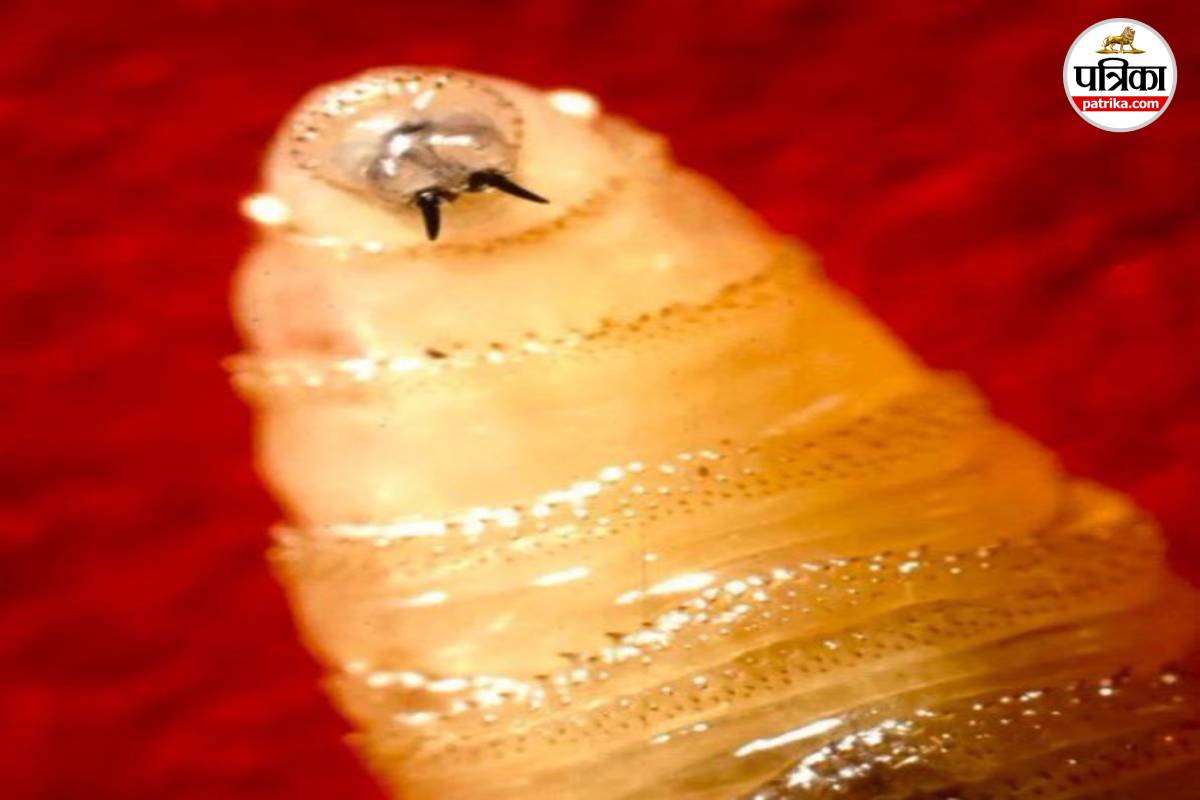
A flesh-eating parasite has reappeared in the United States after 40 years. The case involves a woman from Maryland who recently returned from Central America. It is believed she came into contact with the New World screwworm fly (Cochliomyia hominivorax), resulting in a parasitic infection. According to CNN reports, US health agencies have confirmed the woman has fully recovered. While this case is extremely rare, experts consider it very serious. The reason is clear – this parasite can be dangerous to both humans and animals. The New World screwworm is a fly that lays its eggs in the open wounds of warm-blooded creatures. The larvae that hatch from the eggs burrow into the body through the wound and begin to consume living flesh. Within days, these insects can cause serious damage and, if left untreated, can be fatal.
This parasite most severely affects cattle, pigs, horses, dogs, and cats. Humans can also be victims. Experts say that if this parasite spreads to the southern states of the US, particularly areas like Texas, the cattle industry could suffer losses of approximately $1.8 billion.
In the 1950s, the US implemented a large-scale plan to combat this parasite. Sterile insects were released to reduce the fly population, disrupting their reproductive cycle. The last local case was recorded in 1982. Since then, infections have only been seen in individuals returning from affected countries.
Since 2023, hundreds of screwworm cases have emerged in Central American countries like Nicaragua and Costa Rica. In some instances, infected individuals required surgery to remove the larvae before they could cause damage to the brain or organs. Experts now fear the parasite could spread again within the US.
Scientists believe that international cooperation is essential to control this dangerous parasite. They advise prompt treatment upon recognising the initial symptoms of infection.
Big News
View AllWorld
Trending